
In brief
Six defendants in Paris received prison terms ranging from six to ten years for causing the deaths of 31 migrants on a small‑boat crossing the English Channel in November 2021. The vessel, unlicensed and overloaded, sank after sending distress calls, leaving only two survivors. Investigations revealed coordinated smuggling networks and led to further scrutiny of French naval personnel. The case has prompted Britain and France to scrap their joint migrant‑repatriation scheme.
Six men convicted in Paris of manslaughter after 31 migrants died on a small boat crossing the English Channel on 24 November 2021.
After a four‑week trial, the six received sentences from six to ten years; seven others received up to four years, and one defendant was acquitted.
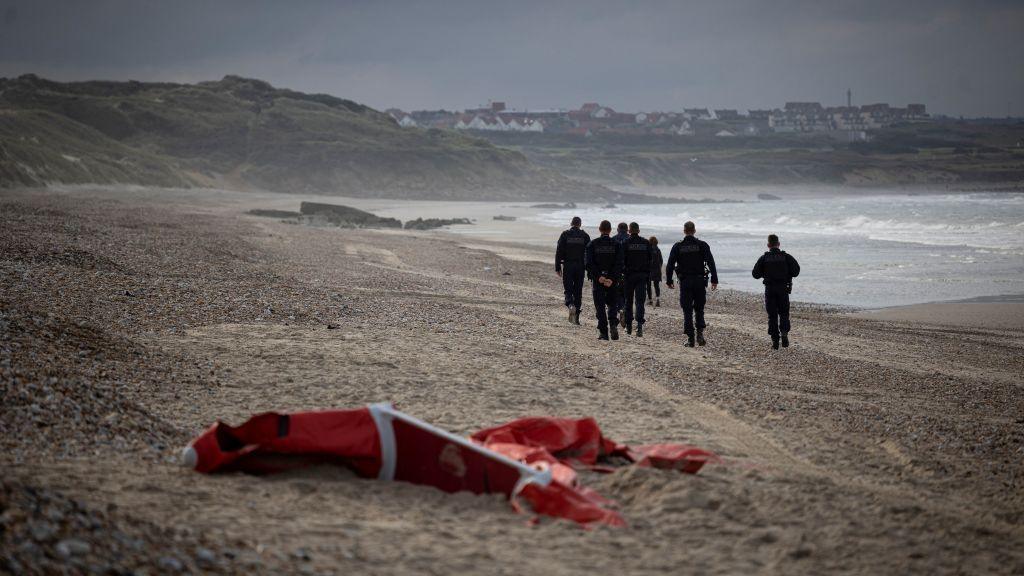
The boat, described as “uncertified, overloaded and lacking life‑jackets,” was set out from the French coast and sank early the following morning. Victims were mainly Iraqi Kurds, with some Afghans, Egyptians and Iranian Kurds; only two men survived.
Judges said the defendants operated two smuggling networks—one Kurdish, one Afghan—which coordinated routes to the “jungle” camp near Calais.
Families of victims, many from Iraqi Kurdistan, testified in court, describing how they watched their loved ones embark on the doomed trip.
Lawyer Matthieu Chirez said the verdict released the civil plaintiffs, confirming the traffickers’ penal responsibility and humanising the families.
Phone tracking linked the defendants to the networks; the former leader of the Iraqi network, Bashdar, is now in Iraqi custody, while the Afghan network’s chief, Obaidullah Maroofkhel, received the longest sentence of ten years.
Police are also investigating seven French navy personnel alleged to have ignored distress calls that evening.
The tragedy led Britain and France to scrap their “one‑in, one‑out” scheme for irregular cross‑Channel migrants earlier this year.

