Satluj: Why an Indian Streaming Film Disappeared in Two Days
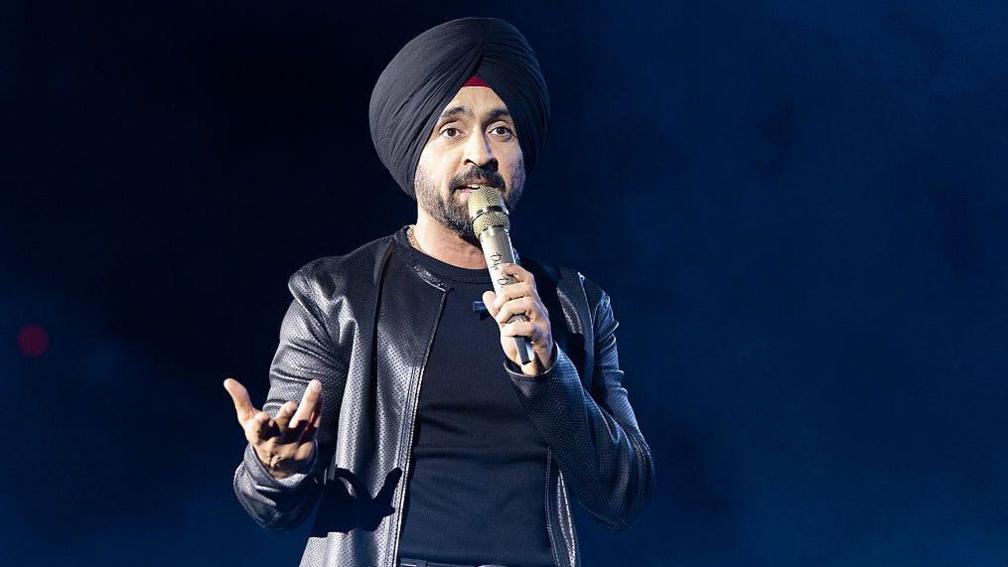
The Punjabi drama Satluj, starring singer‑actor Diljit Dosanjh, was available on the Indian streaming platform ZEE5 for just two days before it vanished from Indian users. The sudden removal followed an announcement that the film would be unavailable "until further notice" amid "current developments," yet the platform offered no further details.
What the film tells
Inspired by real‑life activist Jaswant Singh Khalra, Satluj chronicles an investigation into alleged enforced disappearances and extrajudicial killings during Punjab’s insurgency in the 1980s and 1990s. Khalra, who examined secret cremations and disappeared in 1995, was later found murdered. The film attempts to portray these events without censorship, showing police brutality and the complexities of counter‑insurgency.
Why it was pulled
The film’s production history has been marked by a dispute with India’s Central Board of Film Certification (CBFC). Initially titled Ghallughara, a name linked to historic Sikh massacres, the CBFC requested numerous changes, including a rename (to Punjab '95) and the removal of scenes depicting police violence. The board’s list of demanded cuts expanded from 21 to over 120, spurring legal challenges that ultimately resulted in the film’s withdrawal from the 2023 Toronto International Film Festival and a stalled domestic release.
In 2026, the film finally appeared on ZEE5 under the title Satluj. Because streaming releases are not subject to CBFC certification, the platform could show the original, uncut version. However, shortly after launch, it was taken down from Indian servers, and the reasons for the new restriction remained unspecified.
Legal and political backdrop
While the CBFC’s objections were not publicly disclosed, the film’s subject matter alludes to sensitive political history. In India, the Information Technology Rules, 2021, govern streaming services and require age ratings and content guidelines but do not exempt them from takedown orders issued under national law. The lack of public commentary from the federal ministry or the CBFC has left the decision clouded in ambiguity.
Responses
Diljit Dosanjh addressed the removal in a social‑media video, expressing surprise at the speed of the pull‑down. He had anticipated some form of restriction but did not expect it so soon. Producer spokespersons have cited "government orders" while official statements remain silent. ZEE5 said it "remains committed to the creative vision" but offered no timeline for reinstatement.
Article originally published by BBC News India.