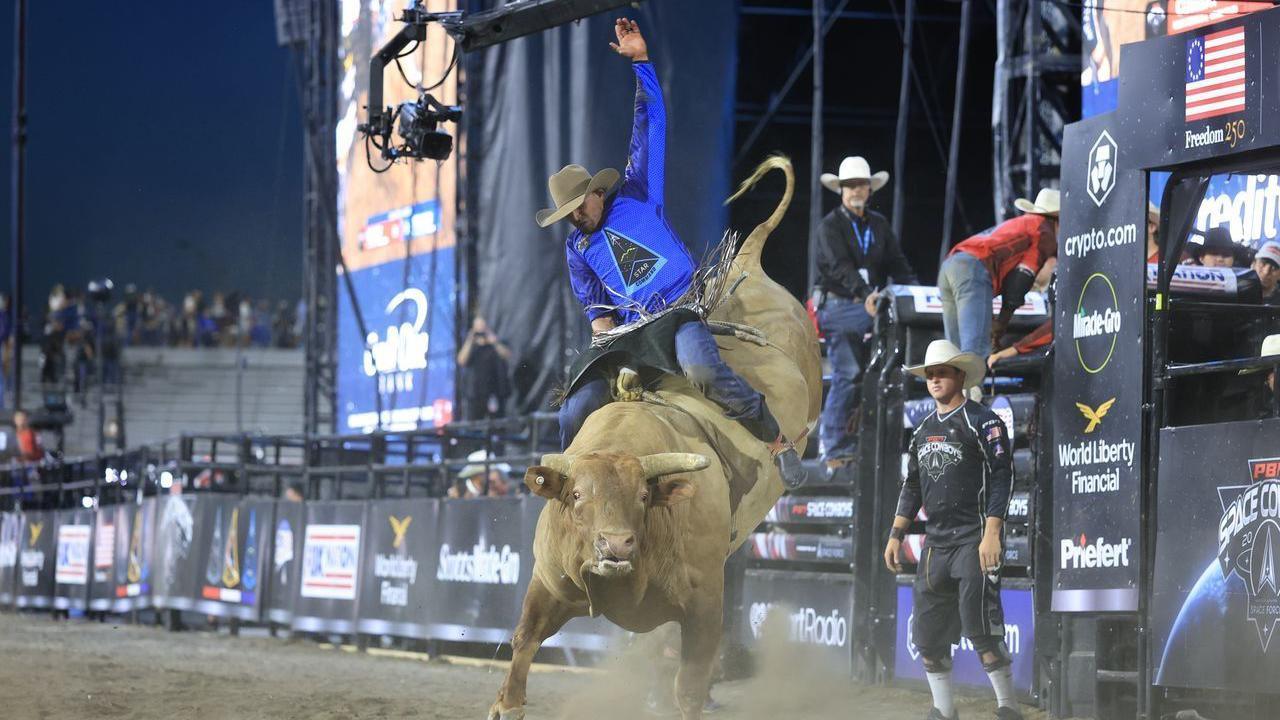
On a sweltering Saturday the Air Force Academy’s Falcon Stadium became a western tableau, with Professional Bull Riders launching a "Space Cowboys" event to draw recruits for the Space Force, Border Patrol and the Air Force.
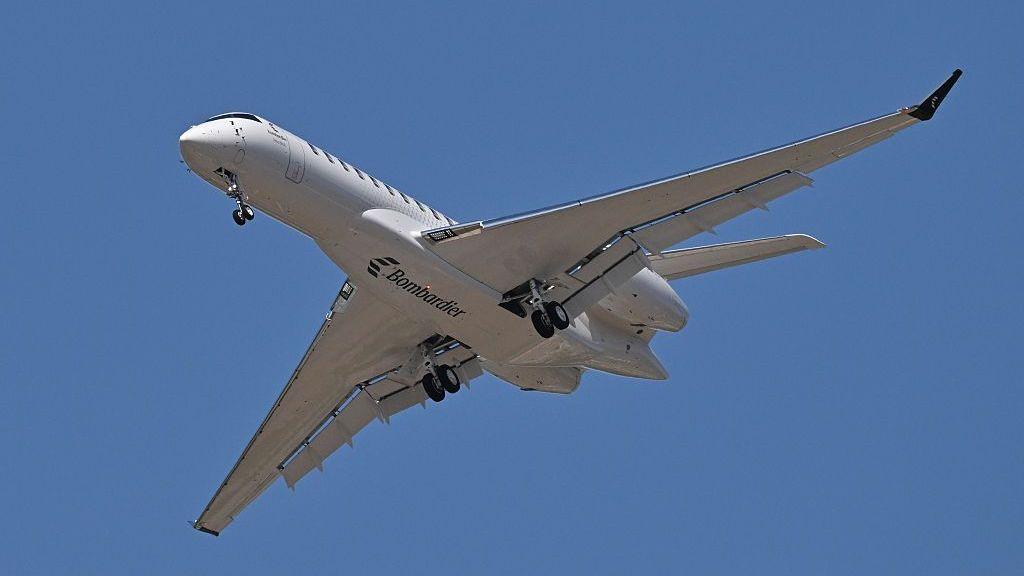
Bull riders, clad in cowboy hats, clashed with 1,600‑pound horns in a dazzling showdown that echoed the grit of a frontier. The spectacle, themed around America’s 250th birthday, also featured fighter jets and a country‑music stage to entice a diverse crowd.
Space Force, born in 2019, positioned itself beside seasoned military units as a recruit‑driver by offering over‑50,000‑salary packages and signing bonuses up to $60,000. The agency, fighting to out‑win Silicon Valley and private aerospace firms, pitched the idea of “taming space” alongside the traditional cowboy image.
Border Patrol, finally receiving a $70bn boost for remaining tenure, turned the fan zone into a recruiting tent, emphasizing health‑friendly career paths. Young prospects like Cody Price, who faced disqualifiers in the Army, saw the Border Patrol’s relaxed medical criteria as an opening for service.
The event served a dual purpose: celebrating Americana and tightening national security through recruitment. Over 30,000 people attended, with records showing a 44% jump in applications to Border Patrol between January and April 2025.
Officials highlighted a historic moment where Air Force cadets were swore in on the same day, reinforcing the cross‑agency reach. With the rising demand for trained personnel, agencies are now using non‑traditional venues to appeal to the next generation.
While many attendees were drawn by patriotic sentiment, recruiters pointed to tangible opportunities like career growth, educational benefits, and a chance to protect the country both on the ground and in space.
This integration of rodeo, aviation, and advanced space security is a unique testament to how the United States blends tradition with innovation in its recruitment strategies.
For more insight on federal recruiting efforts, visit this BBC article.