In brief
The arrest of university student Miles Kwan, who launched a petition demanding accountability from authorities after a devastating fire in Tai Po that killed 159, has ignited public outcry in Hong Kong. Many see this as an attempt by the government to suppress dissent and control the narrative surrounding the tragedy. Officials argue the arrests are necessary to maintain order and avoid civil unrest, but critics insist that the community's call for justice should not be criminalized.
After one of Hong Kong's deadliest fires last week, which claimed at least 159 lives, university student Miles Kwan initiated a petition demanding accountability from local authorities. However, he was soon arrested by national security police on suspicion of sedition, stirring public outrage amid a backdrop of growing dissatisfaction with the government.
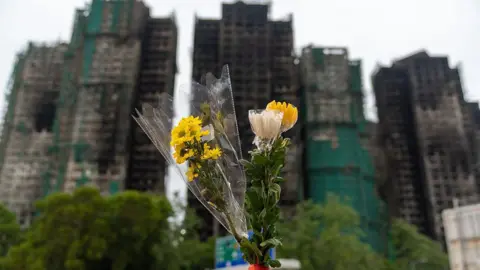
The fire, which ravaged a housing estate in Tai Po, led to an immediate outpouring of grief and anger. In reaction to the tragedy, Kwan's petition quickly gathered over 10,000 signatures before being removed. The government stated Kwan's arrest was necessary to maintain public order, cautioning against efforts to potentially exploit the incident to undermine national security.
Authorities have framed their actions as protective of rule of law; for instance, Ronny Tong, a member of Hong Kong's Executive Council, asserted that the government acts cautiously to ensure public anger does not lead to unrest similar to the protests in 2019.
Despite governmental statements, public sentiment reflects skepticism about these claims. Critics, including pro-democracy activists, view Kwan's petition and subsequent arrest as fundamental expressions of the community’s grief and need for transparency. They argue such actions should not be criminalized.
The situation highlights ongoing tensions in Hong Kong's relationship with its governance, especially following the arrests related to the fire incident, which include various construction staff suspected of manslaughter. Community outrage is coupled with a call for immediate investigations into how officials will address the underlying issues that led to this calamity.
In sum, the arrest of a student pleading for accountability exemplifies the delicate balance Hong Kong authorities aim to maintain in times of crisis, raising broader questions about freedom of expression, governmental transparency, and the accountability of those in power.