In brief
Poland’s capital saw a 21‑year‑old woman wield a knife at a Warsaw school, injuring three students amid a week of escalating school attacks. The incident follows earlier stabbings that killed a caretaker and injured dozens, prompting nationwide police interventions and emergency security overhauls. Analysts highlight a potential link to viral internet challenges, while policymakers stress zero tolerance for threats to children. The attacks underscore a tension between heightened security and preserving open learning environments, raising questions about preventive strategies, mental health support and digital media influence.
The Latest Incidence
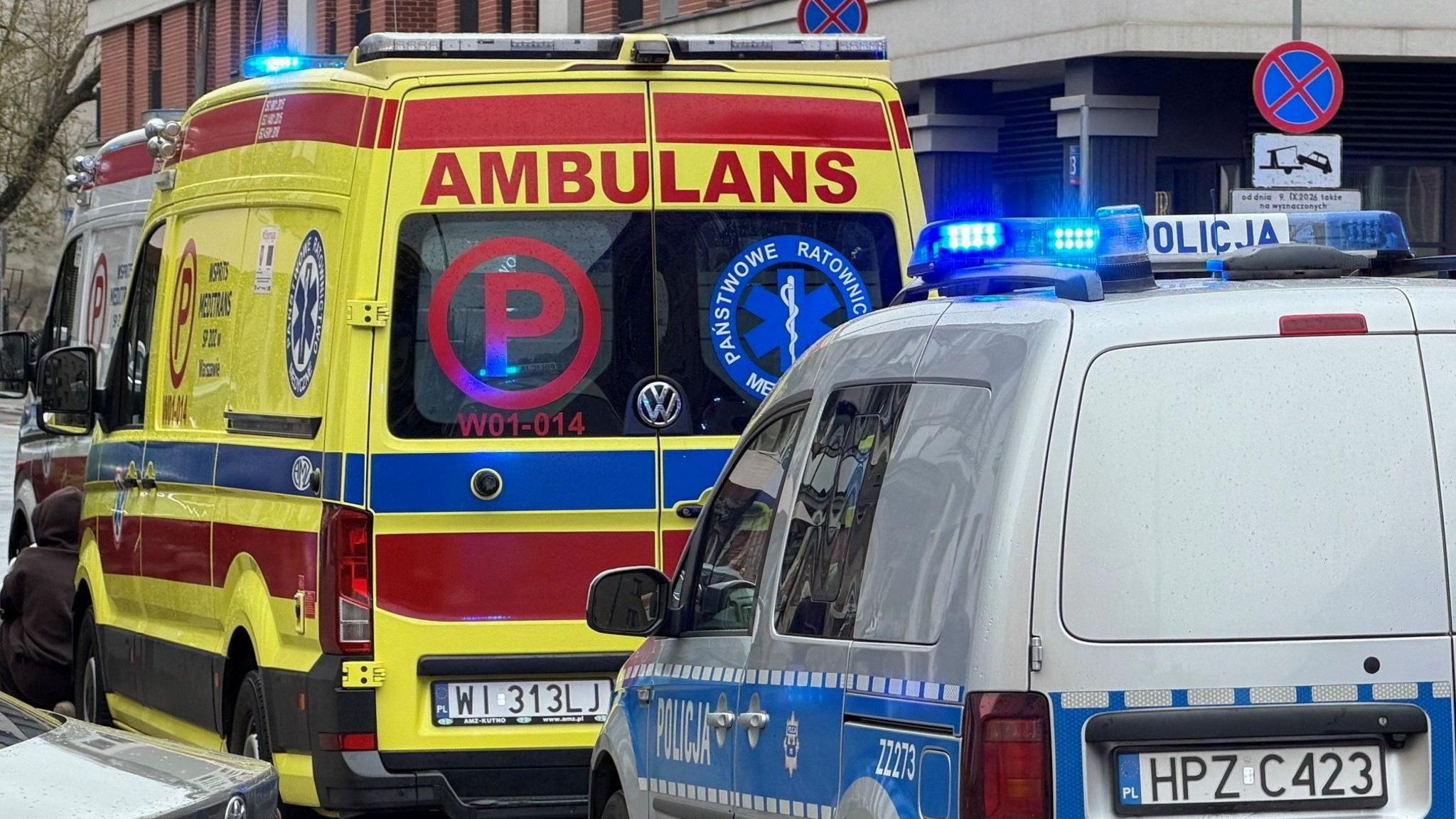
A 21‑year‑old woman used a knife to threaten a 17‑year‑old girl at a Warsaw school, injuring the victim and two other women who were there to submit papers. Hospitals confirmed the injuries were not life‑threatening.
Context of a Week‑Long Surge
The incident marks the third recorded knife attack on a Polish school in eight days. Earlier this week a 19‑year‑old stabbed nine students in central Warsaw, and a 37‑year‑old caretaker was fatally stabbed after a 15‑year‑old entered a primary school in Leszczydół‑Nowiny.
Polish police arrested 76 people after deploying nationwide to schools, and interior minister Marcin Kierwiński detained a 17‑year‑old after he reportedly threatened violence on school grounds.
Government Response
Prime Minister Donald Tusk called for uncompromising measures to safeguard children and maintain peace in schools. Police spokespersons said they could not confirm whether the attacks were related, though some sources pointed to an “internet challenge” as a possible inspiration.
A Socio‑Cultural Lens
Experts warn that the rapid spread of online challenges can subtly normalize extreme actions, while educators argue that repeated security drills may erode trust and learning ambiance. Parents in Warsaw have formed online support groups demanding clearer communication from schools about safety protocols.
Mental‑health professionals suggest that such attacks may stem from a lack of early psychological help for young people. The campaigns highlight the need for integrated support systems blending counseling, parental guidance and digital media literacy.
International Comparisons
Similar patterns of school violence have emerged across Europe, prompting debate on balancing stringent security checks with the right to an open, accessible education. Authorities in neighboring Germany report a rise in knife incidents, allocating funds to teacher training and student engagement programs.
Looking Ahead
Polish lawmakers are reviewing emergency measures, including potential tighter restrictions on weapons in school premises and expanded digital monitoring. Meanwhile, NGOs are advocating for restorative justice approaches that address root causes rather than solely punitive actions.