In brief
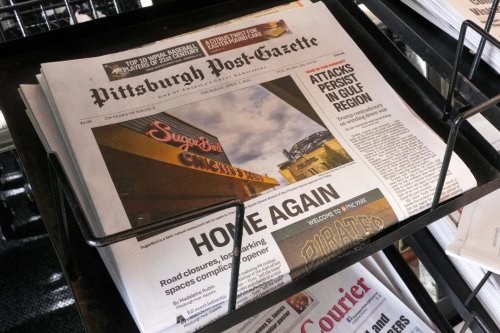
The Pittsburgh Post-Gazette, a newspaper with a legacy dating back to 1786, will remain operational after Venetoulis Institute for Local Journalism acquires its assets. Owners Block Communications announced the sale, revealing that the Post-Gazette will continue its print presence twice a week while maintaining a digital platform. This comes as a relief to a city that was on the verge of losing its last city-based publication.
NEW YORK (AP) — In a significant development for local journalism, the Pittsburgh Post-Gazette announced on Tuesday that it has secured a buyer, the Venetoulis Institute for Local Journalism, just weeks before it was due to shut down. The historic newspaper, which has served the community since 1786 and is noted as the first paper established west of the Allegheny Mountains, was facing closure that would have left Pittsburgh devoid of a city-based paper.Block Communications, the current owners, confirmed the sale but did not disclose financial details. Under the new ownership, the Post-Gazette will maintain its print edition twice a week on Thursdays and Sundays while also operating a digital platform on the remaining days. This decision marks a pivotal moment for Pittsburgh’s news landscape, as the potential closure would have positioned the city as the largest in the U.S. without a local newspaper.The transition comes at a critical time when many local newspapers across the country are struggling to survive amidst changing media consumption habits and economic pressures.