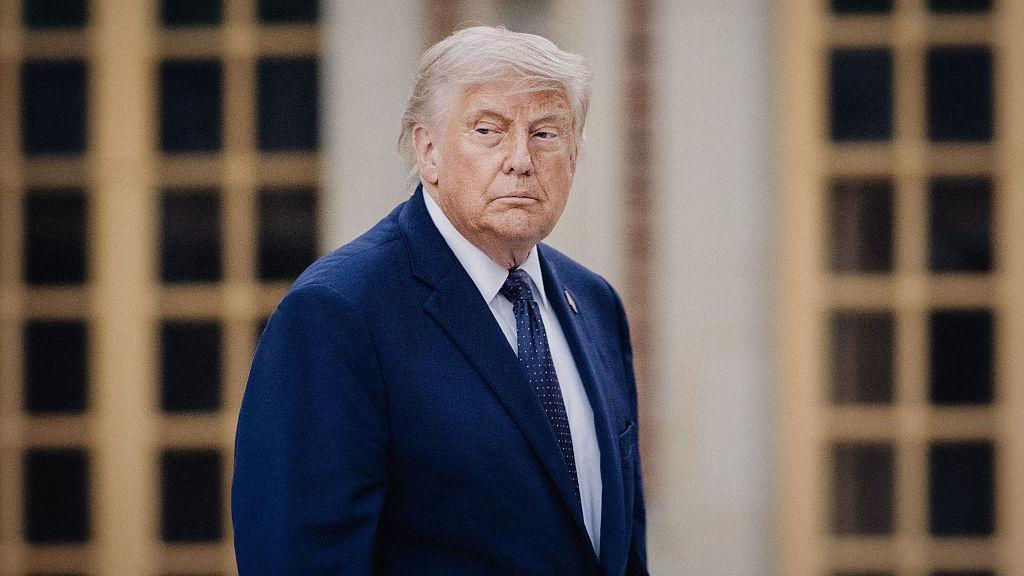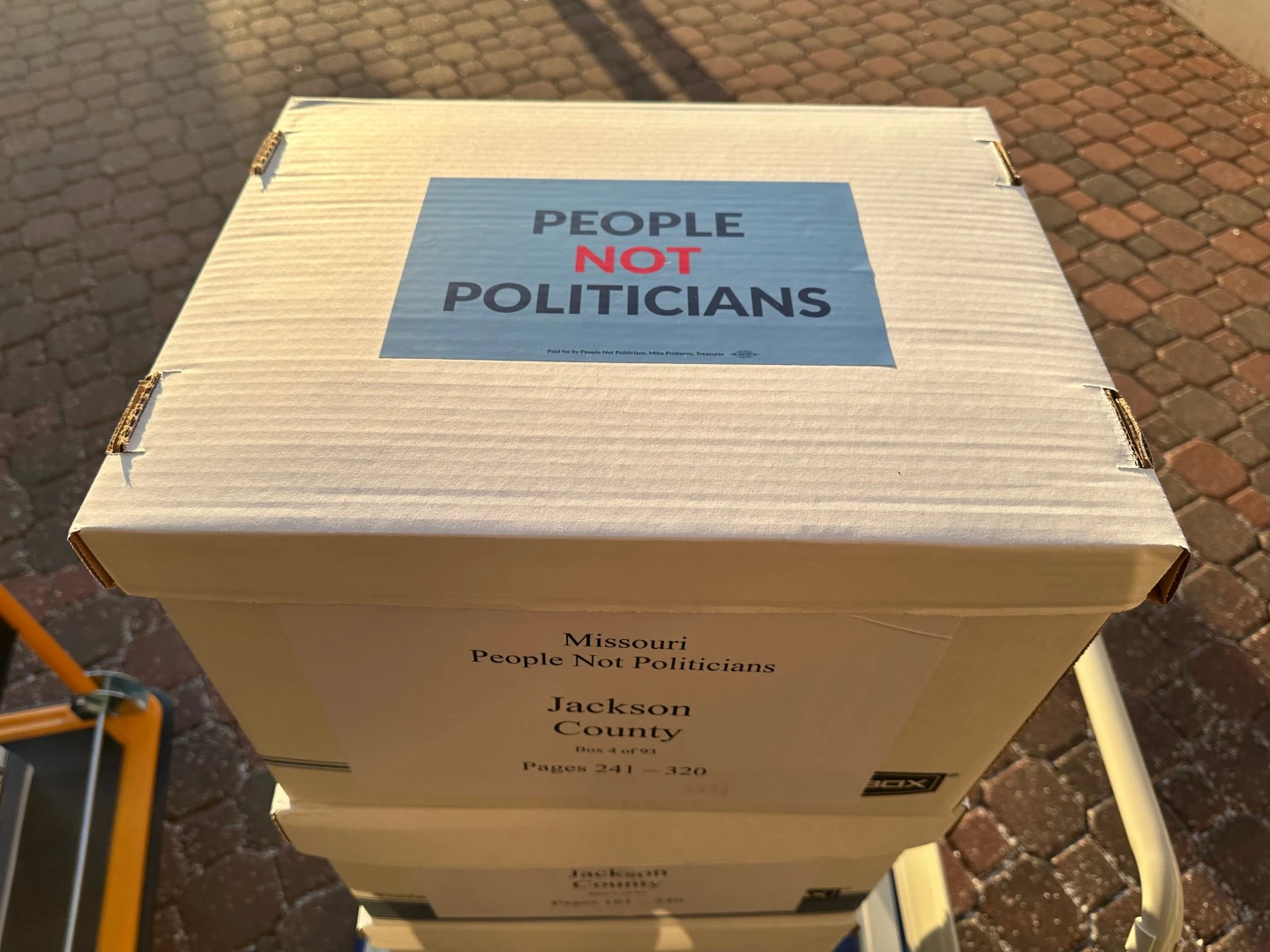
JEFFERSON CITY, Mo. — In a significant political maneuver, opponents of Missouri's newly drawn congressional map submitted over 300,000 signatures on Tuesday, pushing for a statewide referendum to challenge a redistricting plan that benefits the Republicans and is backed by President Trump. The petition drive aims to suspend the new U.S. House districts from going into effect until the public can vote on them next year.
Organizers stated they gathered well over the 110,000 signatures required to initiate the referendum, with hopes of delaying the implementation of the new districts, which may adversely affect Democrats in key areas like Kansas City.
Secretary of State Denny Hoskins, a Republican, has argued that pursuing a referendum on redistricting is unconstitutional. Despite these claims, if the signatures are validated, it would present a considerable barrier for Republicans hoping the new map might help them gain seats from Democratic incumbents in the upcoming elections.
The Missouri law mandates that referendums are scheduled for the November ballot unless the General Assembly opts for an earlier date during its next session beginning in January.
Redistricting, typically a decennial process aligned with the census, has become a contentious mid-decade battle fueled by political strategies. Democrats need to gain only three seats to take control of the House and impede Trump's agenda, making the stakes for these redistricting efforts significantly high.
Following Trump’s encouragement, various states, including Texas and North Carolina, have also undertaken similar redistricting efforts to secure Republican advantages. Notably, California voters recently approved a Democratic-drawn map intended to increase their party's seat count.
In Missouri, the referendum campaign, backed financially by national organizations opposed to the republicans' plan, has already raised around $5 million. This is in contrast to the $2 million fund supporting the new map. The battle has seen various tactics employed; notably, allegations surfaced that Republican-aligned organizations attempted to dissuade signature gatherers financially.
The referendum's outcome will hinge on multiple factors, not least of which includes the potential legal challenges that lie ahead. Hoskins has raised objections claiming certain signatures collected during the initial phase of the campaign should not count, igniting court disputes that reflect the deepening divide in US electoral politics.
As Missouri's referendum unfolds, it echoes a historical precedent from 1922, when voters overwhelmingly rejected a congressional map proposed by a Republican-led legislature. With these fresh developments, Missouri sets the stage for an intensified struggle over electoral boundaries ahead of crucial elections in 2024.