In brief
An Ohio jury has indicated it is deadlocked on charges of corruption against two former FirstEnergy Corp. executives, Chuck Jones and Michael Dowling, accused of participation in a $60 million bribery scheme. The jury decision comes after a lengthy trial where the defendants argued payments made to a regulatory official were legitimate legal settlements, while prosecutors claimed they were bribes for regulatory favors concerning a significant bailout bill. The defendants face serious felony charges amidst involvement in a scandal that has previously seen convictions of other key figures.
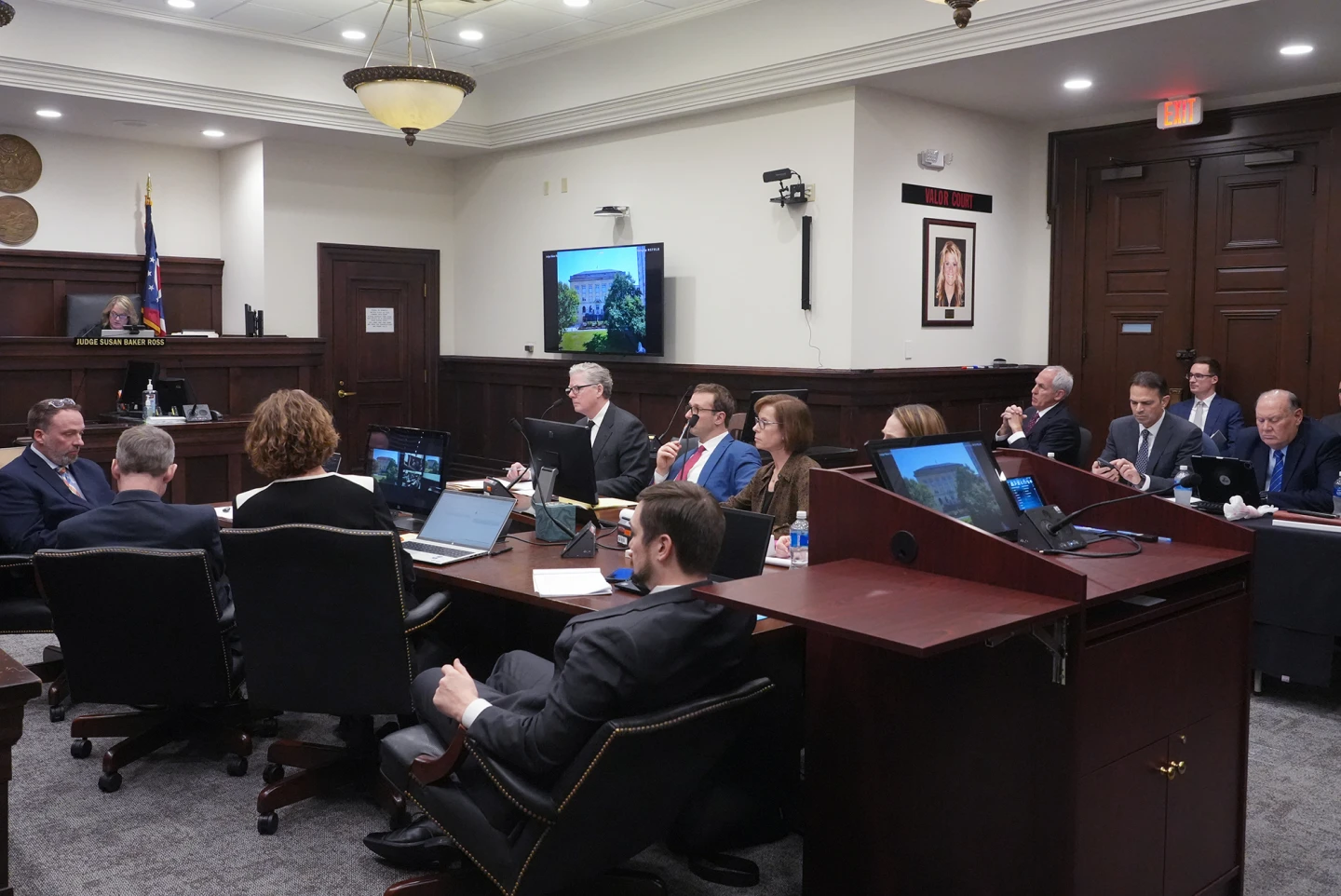
COLUMBUS, Ohio (AP) — Jurors in an Ohio corruption trial indicated Tuesday that they couldn’t reach a verdict in the high-stakes case against two former FirstEnergy Corp. executives, leading to discussions of a potential mistrial.
The jury seated in Akron reported it had reached an impasse in the trial of Chuck Jones, the former CEO, and Michael Dowling, a former senior vice president of FirstEnergy. Both are charged with felony counts of corruption, bribery, conspiracy, and aggravated theft in connection with a $4.3 million payment to the future head of the Public Utilities Commission of Ohio (PUCO), Sam Randazzo.
While the prosecution argued that the payment constituted a bribe for preferential regulatory treatment, the defense maintained it was a legitimate legal settlement for services rendered by Randazzo.
In a related context, FirstEnergy had previously admitted to orchestrating a massive $60 million bribery scheme that involved other high-profile figures in Ohio, including former House Speaker Larry Householder, who was sentenced to 20 years on racketeering charges in 2023.
The jury's indecision comes after a complex six-week trial, which witnessed testimony from several notable witnesses, including U.S. Senator Jon Husted. The defense characterized Randazzo as a “thief” who mismanaged the funds, while prosecutors contended that Jones and Dowling were fully aware of their actions.
The case reflects broader issues surrounding corporate governance and corruption in politics, raising questions about the interplay between lobbying and regulatory practices in the utility sector.