Nigeria’s President Orders Investigation into Alleged Fake Agency
President Bola Tinubu on Tuesday directed the Independent Corrupt Practices and Other Related Offences Commission (ICPC) to investigate a purported government body called the Presidential Foreign Intervention Promotion Council (PFIPC) that allegedly received public money worth 1.3 billion naira (£700,000; $950,000). Tinubu said the investigation must be completed in 30 days.
According to the Presidency, the letter from chief of staff Femi Gbajabiamila that supposedly created the PFIPC had been forged. A forensic analysis of the signature on that letter confirmed the Forgery.
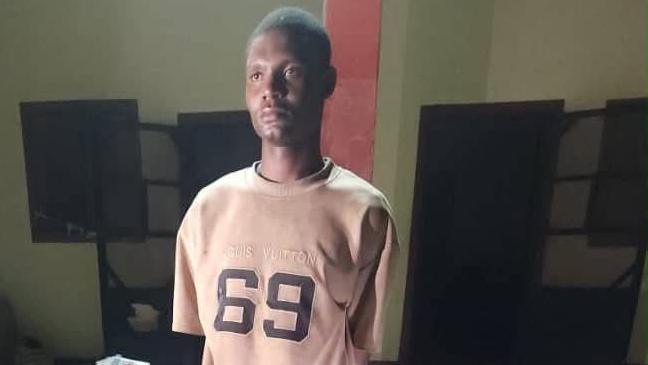
Police have issued a manhunt for Adeniyi Adeyemi Matthew, who had been presenting himself as the council’s Director‑General and has been accused of forging official documents, impersonating a government official and embezzling public funds. Adeyemi told local media that he was innocent, feared for his life and promised to appear in court. He also claimed the council had been established in 2024 to attract foreign investment but pointed to no deals having been done.
Phone checks by BBC News Pidgin revealed the PFIPC had office space in the Federal Secretariat, opened multiple bank accounts with the Central Bank of Nigeria and was listed in the 2026 Appropriation Act with an allocation of 1.3 billion naira. The council had only three staff members, all of whom were questioned by the police.
Adeyemi, along with two other defendants, faces charges before the Federal High Court that they used forged documents to establish the council, open bank accounts and sought official recognition for a body the government maintains does not exist.
Tinubu’s directive included specific lines of inquiry: (1) forged appointment letters and official documents; (2) false claims for official recognition and diplomatic assistance, including visa facilitation; (3) opening of bank accounts using forged documents; and (4) the role of any public officer, private individual, financial institution or intermediary that may have facilitated the scheme.
The president also ordered an examination of the wider circumstances that allowed a fictitious body to appear legitimate and the procedures that may have been exploited, to identify weaknesses in government operations.
The issue has generated mounting pressure from civil‑society organisations, opposition politicians and senior lawyers demanding an independent inquiry. Tinubu emphasised that the integrity of the presidency and federal institutions must be protected against impersonation, forgery, abuse of official identity and exploitation of public service weaknesses. "All persons found culpable are to be treated strictly in accordance with applicable law," the president declared.