SIOUX FALLS, S.D. — A significant shift in Canadian citizenship policy has suddenly made it much easier for millions of Americans to claim dual citizenship. This development has sparked a surge in interest as people rush to explore their ancestry and the implications of this new law, which took effect on December 15, 2025.
The new legislation expands the eligibility for Canadian citizenship by descent, previously restricted to one generation. Citizens can now pass this status to descendants including grandchildren and great-grandchildren, provided they can prove their lineage. This change is especially relevant for many Americans who identify with a Canadian ancestor.
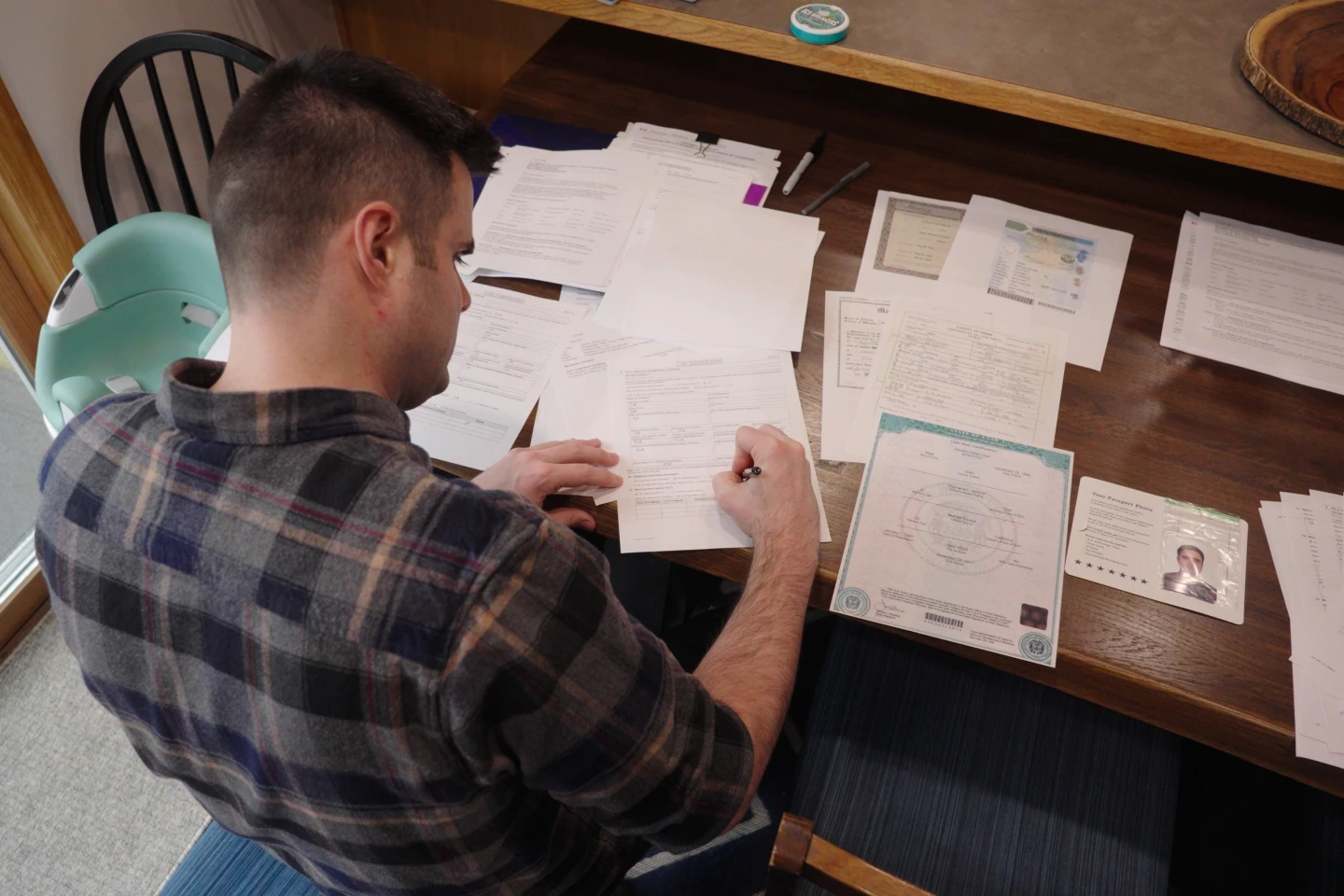
For Zack Loud from Minnesota, discovering that his grandmother’s Canadian citizenship extends directly to him and his siblings was a pivotal point in his decision-making process. We were already considering opportunities outside the U.S., but this pushed Canada to the top of our list, he stated.
Attorneys in both the U.S. and Canada are reporting unprecedented demand for assistance in processing citizenship applications. Nicholas Berning, an immigration lawyer based in Washington State, noted that his practice has been inundated with queries since the law's enactment, necessitating a shift in focus from other cases to citizenship applications.
Understanding the Changes
Under the new law, descendants of Canadians are recognized as citizens provided they can prove their ancestry. This change is anticipated to benefit a significant number of Americans with Canadian roots. Hayer, another immigration attorney, estimated there could be millions eligible, highlighting that many may have been unaware of their citizenship status before this legislation.
The law also requires that those born after December 15, 2025, demonstrate that a parent meets a residency requirement of 1,095 days in Canada to claim citizenship.
Motivations Behind Seeking Dual Citizenship
The motivations for seeking dual citizenship vary widely. For some, political developments in the U.S. under the previous administration have prompted a reconsideration of their future in the country. Michelle Cunha from Massachusetts expressed disillusionment with the current political climate, resulting in her decision to move to Canada.
For others, international experiences have sparked a desire for a more favorable identity. Troy Hicks, a Nevada resident, recounted his travels abroad where comments about U.S. politics prompted him to consider a Canadian passport as a viable option.
The Application Process and Costs
Applying for recognition of citizenship costs approximately 75 Canadian dollars ($55), though many choose to hire attorneys, which can significantly increase expenses. Despite the potential costs, some individuals opt to navigate the application process independently using online resources.
The Canadian immigration authority has reported that processing times for citizenship applications can take around ten months, with tens of thousands already in the queue. Just over a month after the law took effect, nearly 1,500 citizenship confirmations had been made, underscoring the immediate impact of this legislative change.
Canadian Perceptions of Increased Interest
Responses to this sudden increase in American applicants are mixed among Canadians. While many are welcoming, concerns have been raised regarding individuals who seek citizenship without significant ties to Canada. Fen Hampson, a Canadian professor, noted that Canadians generally dislike the idea of citizens of convenience bypassing traditional immigration pathways, especially at a time when refugees and asylum seekers are also seeking entry into Canada.