
In brief
This article explores the alarming issue of ritual killings in Sierra Leone, as families like that of Papayo, an 11-year-old boy murdered for his body parts, continue to seek justice. Investigative efforts by BBC Africa reveal the existence of underground networks involved in these heinous acts fueled by cultural beliefs in magic. Despite resources being limited and the involvement of local authorities often hindered by superstitions, the story highlights the persistent courage of families and journalists alike striving to uncover the truth and demand accountability.
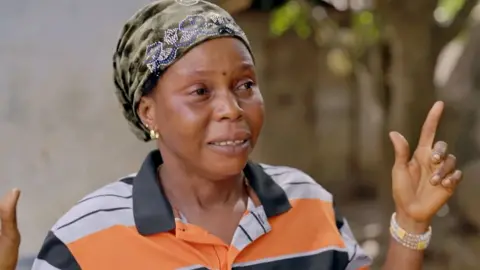
The haunting reality of Sierra Leone's ritual killingsWith many families left traumatized by killings apparently linked to supposed magic rituals in Sierra Leone, BBC Africa Eye delves into the horrifying trade of human body parts.Warning: This article contains details some readers may find disturbing.The mother of an 11-year-old boy murdered four years ago, suspected to be a victim of black magic, expresses her devastation over the lack of justice for her son Papayo, whose body was found mutilated. This tragic story sheds light on the frequent occurrence of similar cases in Sierra Leone where victims often go uncounted and uninvestigated.Belief in juju—magic rituals purported to offer prosperity and power through human body parts—remains deeply ingrained in culture, complicating law enforcement efforts. Limited resources and a chronic shortage of forensic expertise stifle investigations, allowing the culprits to evade justice.Investigation into the dark underbelly of juju practices revealed networks of practitioners willing to supply body parts for magical rituals, where human sacrifice is both requested and feared by many. Undercover investigations uncovered these ritualists, who operate in secrecy, selling hope born of superstition to desperate individuals.Despite the challenges faced by law enforcement and cultural barriers, the story underscores the brave attempts to expose these criminal operations. It also evokes a broader dialogue about the need for societal change to protect the most vulnerable, especially during election seasons mentioned as periods of increased abductions.As families endure the grief of loss without closure, como Papayo's family and many others continue to fight for justice and demand accountability from a system that often feels indifferent to their suffering.
