
In brief
In Minneapolis, the fatal shooting of 37-year-old Renee Macklin Good by an ICE officer has sparked outrage among residents and calls for the agency to leave Minnesota. The incident occurred during a large immigration enforcement operation launched by the Trump administration, prompting local officials to demand an investigation and calling for peaceful protests. Governor Tim Walz urged calm among residents, while tensions rose as protesters rallied against federal immigration measures, highlighting the deep divisions in viewpoints surrounding enforcement actions.
MINNEAPOLIS (AP) — A cloud of tension hangs over Minneapolis following the fatal shooting of a woman, Renee Nicole Macklin Good, by an Immigration and Customs Enforcement (ICE) officer involved in a significant crackdown on immigration. The incident led Governor Tim Walz to urge residents to remain calm, while schools canceled classes for safety.
State officials have demanded ICE to vacate the state. However, Homeland Security Secretary Kristi Noem stated that the officers would remain active in the area, which has seen over 2,000 federal agents deployed for what is deemed the largest immigration enforcement operation to date.
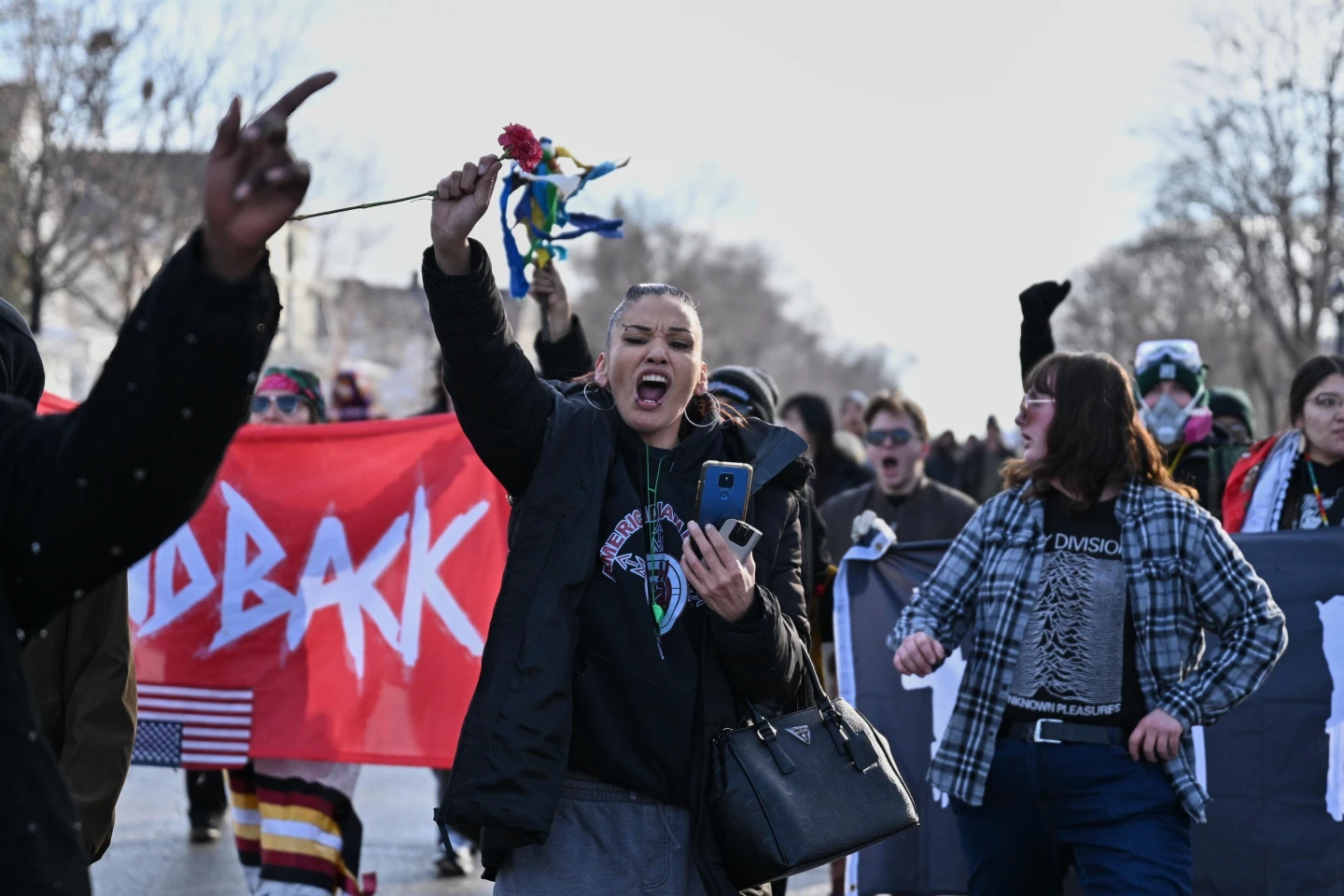
Macklin Good, who was 37 years old, was shot in the head during the operation in a residential neighborhood in Minneapolis, a tragic event that was recorded by witnesses. In response to her death, hundreds joined a vigil, honoring her while marching through the city chanting against immigration enforcement.
One attendee, Sander Kolodziej, expressed a desire for ICE to withdraw, emphasizing the urgency of community solidarity in the wake of such tragedies.
The incident, which occurred on a Wednesday morning, threw Minneapolis into a state of unrest, as video footage depicts the tense moments before the shooting, with an ICE officer moving towards a vehicle before firing shots. The context surrounding the shooting is murky, with the driver, after sustaining injuries, crashing the vehicle into parked cars.
Following the media coverage and public outcry, national political leaders weighed in. Governor Walz has stated he is willing to mobilize the National Guard if situations escalate further. Tensions have been exacerbated by calls for the officer’s prosecution, as community members demand accountability for actions taken under the guise of immigration enforcement.
As demonstrators continue to gather in protest, they’ve invoked imagery reminiscent of previous large-scale immigration crackdowns, making it clear that the community's resistance to these federal operations is robust.
The shooting incident underscores ongoing tensions surrounding immigration policy and its enforcement at the federal level, raising numerous questions about law enforcement's engagement with communities involved and the necessity of reforms in such high-stakes operations.
State officials have vowed to continue investigating the incident with federal authorities as protests continue to demand an end to the aggressive tactics employed by federal immigration agents in urban centers.

