Kingsport, Tennessee: Trump‑faithful town split on Iran policy
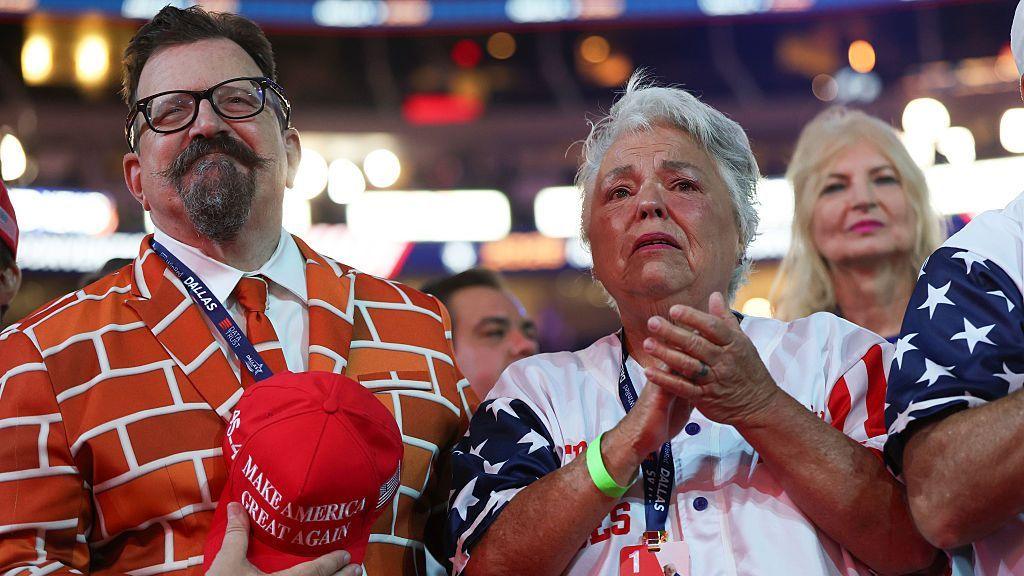
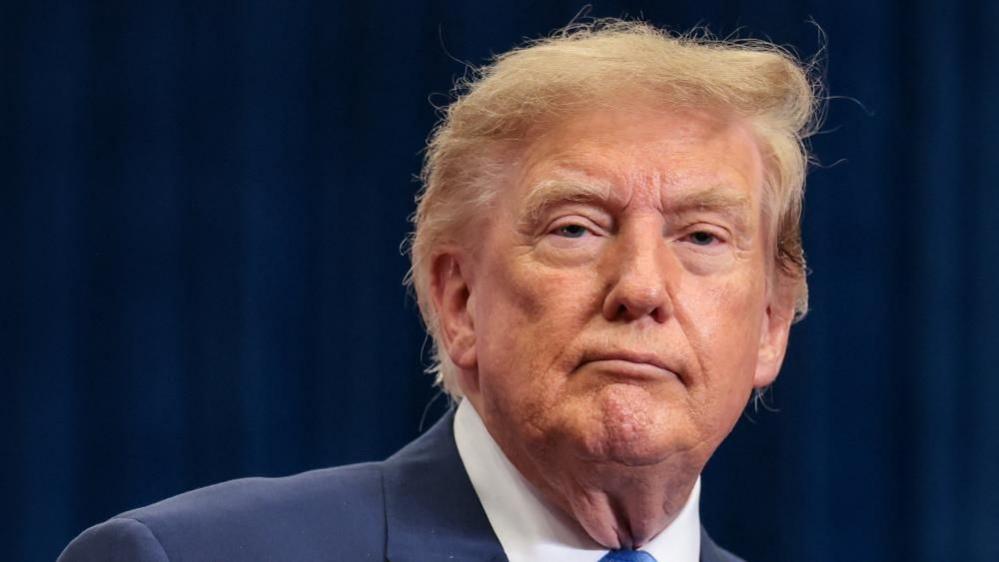
Nestled in the foothills of the Appalachian Mountains, Kingsport is a long‑standing industrial town that relies on a single munitions plant for jobs and identity. The plant produces explosives that supply the U.S. military, and its workers are generally proud of the role they play in national defense. This pride has turned the city into a Republican stronghold, with many residents pledging future support for the party and the former president, Donald Trump.
Yet when the national conversation turned to Iran—an adversarial nation with a nuclear program—the community split. While a majority of voters echoed Trump’s hard‑line rhetoric, arguing that “justified” action against Iran protects American interests, a significant minority questioned whether the continued exposure to war risks should trump local economic benefits.
Industry and the Cost of Conflict
The munitions plant is a source of livelihood—and of scrutiny. Some workers fear that ongoing military engagements, especially those tied to Iran, could destabilize the supply chain, ultimately leading to layoffs. They point to increasing defense costs and the unpredictable nature of foreign policy as threats to the town’s future. For them, rejecting aggressive posture toward Iran isn’t just a political choice; it’s an economic survival strategy.
Trump‑Cult and the Appeal of Hard‑Line Politics
On the other side, many support the former president’s insistence that America take decisive action against Iran. They cite the threat posed by the Iranian regime’s nuclear ambitions and the potential for a humanitarian crisis. The promise of a “win” in foreign policy resonates with those who feel that militant abroad equals security for the home front.
A Microcosm of National Debate
The tension in Kingsport reflects a broader national conflict: balancing national security objectives with domestic repercussions. The town’s economy, rooted in defense manufacturing, puts it at the center of this debate. As voters weigh the risks of war against the economic stability that a munitions plant provides, their views on Iran diverge sharply, even within a city that otherwise unites under Trumpism.
For those who had never considered the foreign policy implications of a local factory, Kingsport now serves as a living laboratory—illustrating how a place’s economic bedrock can intensify or temper partisan convictions. The town’s experience underscores the complexity of modern political loyalty, especially when national policy and local livelihood intersect.