
In brief
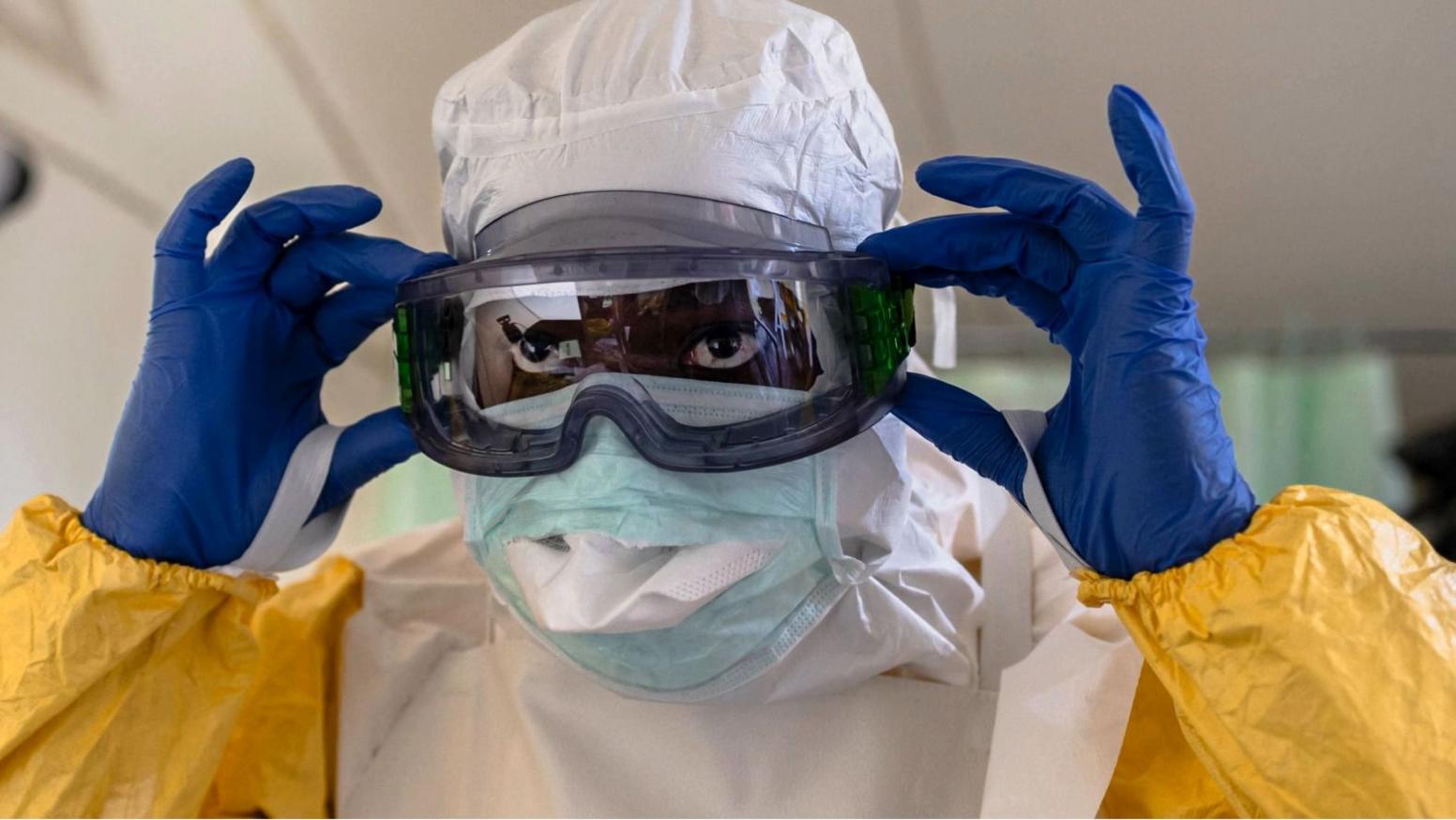
Kenya’s Ministry of Health announced a second Ebola infection in Nairobi, a 39‑year‑old relative of the first patient who succumbed at the end of September. The new case emerged in a quarantined setting, allowing early detection that increased the chance of recovery and limited wider spread. Health officials stressed that the incidents remain isolated, with no evidence of community transmission, and urged calm vigilance. Despite the absence of travel bans, widespread restrictions remain unwarranted. The incident underscores the challenges of tracing contacts across borders amid a substantial outbreak in the Democratic Republic of Congo, which has already seen thousands of fatalities.
On 24 October 2026, the Kenyan Ministry of Health confirmed a second case of Ebola virus disease, involving a 39‑year‑old man who was a close relative of the first patient who died in Nairobi on 5 October.
The new patient was already staged in quarantine when he became symptomatic, allowing health workers to identify the infection early. Early diagnosis is a key factor in improving survival chances and preventing further spread.
Officials have clarified that the two cases are linked, yet there is no evidence of wider community transmission in Kenya. The Ministry has maintained that the country remains open, with no restrictions on travel, trade or public gatherings, and urges the public to remain calm but vigilant.
The first patient, diagnosed shortly after arriving from the Democratic Republic of Congo via Uganda, died after a rapid progression of the disease. His clinical history shows he had contacts with over a hundred people in Nairobi, many of whom were put into quarantine for monitoring.
In the broader context, the Democratic Republic of Congo has recorded more than 4,000 deaths from the current outbreak, making it the second most deadly Ebola outbreak recorded to date. The disease, caused by the Bundibugyo species of Ebola, remains without a licensed vaccine or definitive treatment, though ongoing trials offer some hope.
Health experts emphasize that traditional measures such as temperature checks and self‑reporting are limited in preventing the spread when the disease’s symptoms can appear up to 21 days after exposure. Robust contact tracing and comprehensive quarantine procedures remain essential precautionary tools.
Kenya’s experience highlights the complexity of cross‑border disease surveillance in an interconnected region and underscores the need for continued collaboration between national health authorities and international bodies such as the World Health Organization.