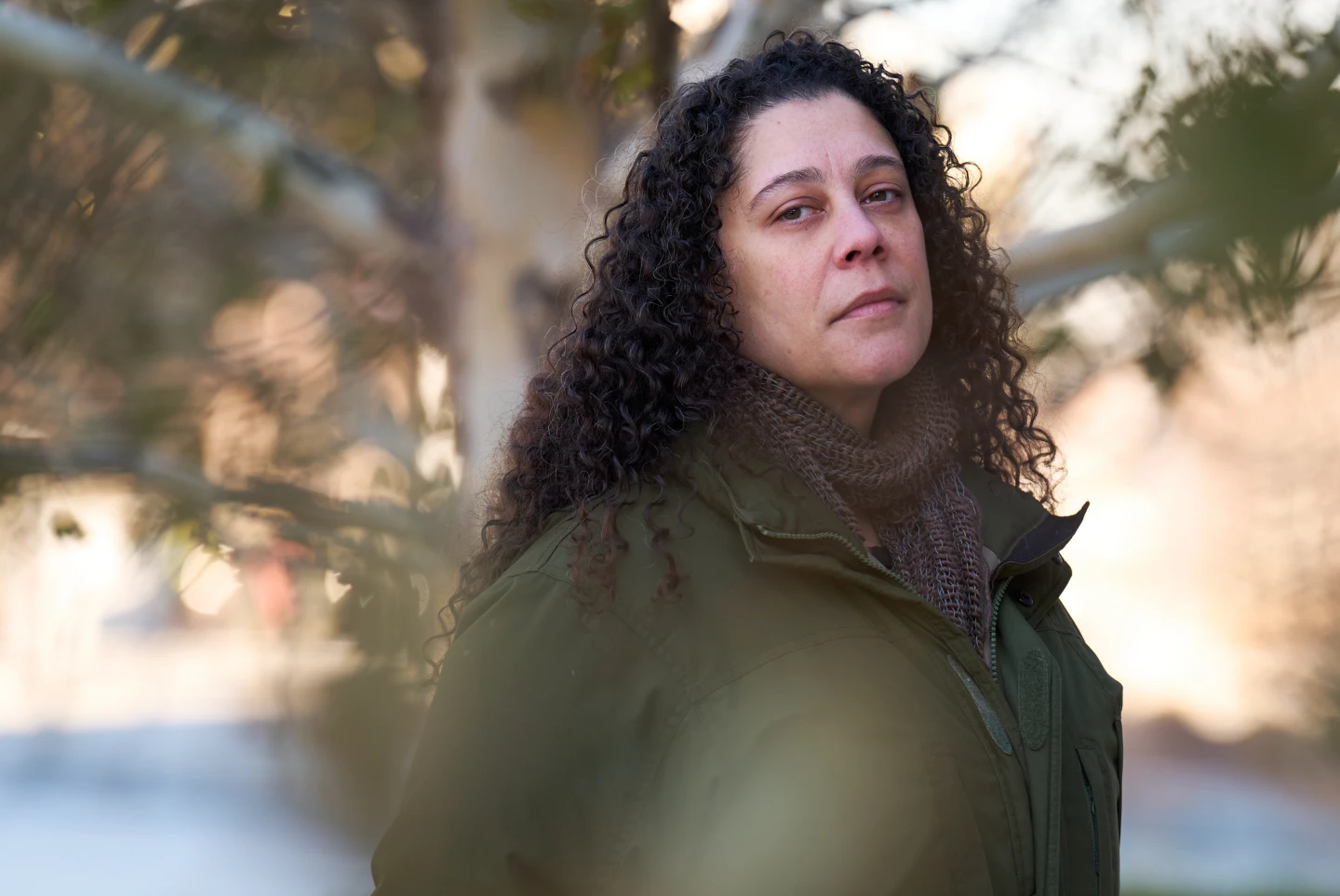
WASHINGTON (AP) — The federal agent described her wounds as “boo-boos.”
Nevertheless, the Justice Department aggressively pursued the alleged perpetrator. They jailed Sidney Lori Reid on a charge of felony assault, accusing her of injuring the agent during a July protest of President Donald Trump’s immigration crackdown in Washington, D.C.
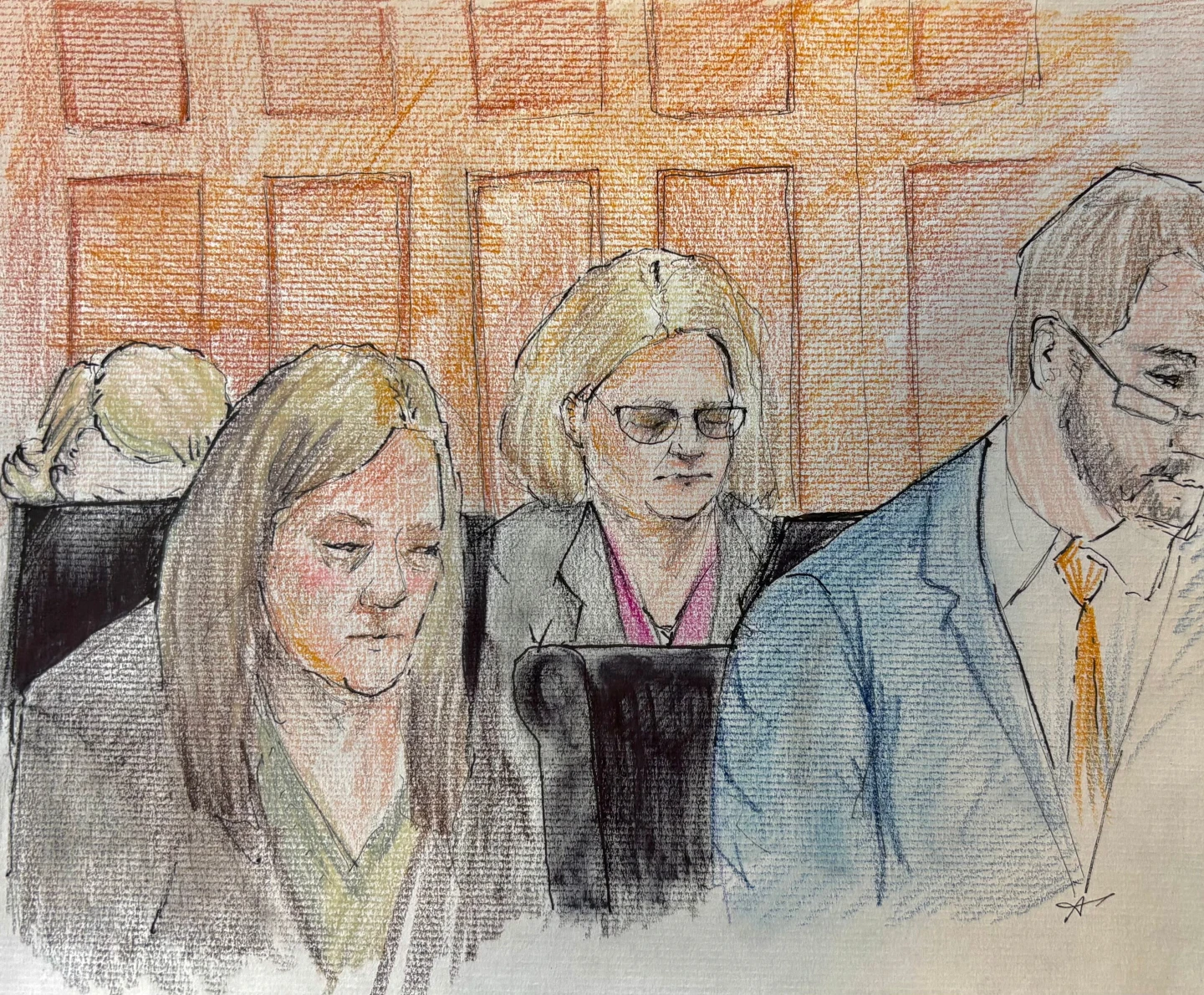
When grand jurors thrice declined to indict the 44-year-old on felony charges, prosecutors attempted to try Reid for a misdemeanor instead. Body camera footage played at trial revealed that Reid had not intentionally struck the agent. Instead, the agent had scratched her hand on a wall while assisting another agent who had shoved Reid, telling her to “shut the f—- up” and “mind her own business.” It took jurors less than two hours to acquit the animal hospital worker.
“It seemed like my life was just going to be taken away from me," said Reid, who spent two days in jail and worried she would lose her new job and apartment. “It broke my heart because this is supposed to be a good and fair country, and I did not see anything surrounding my case that was good or fair at all for anybody.”
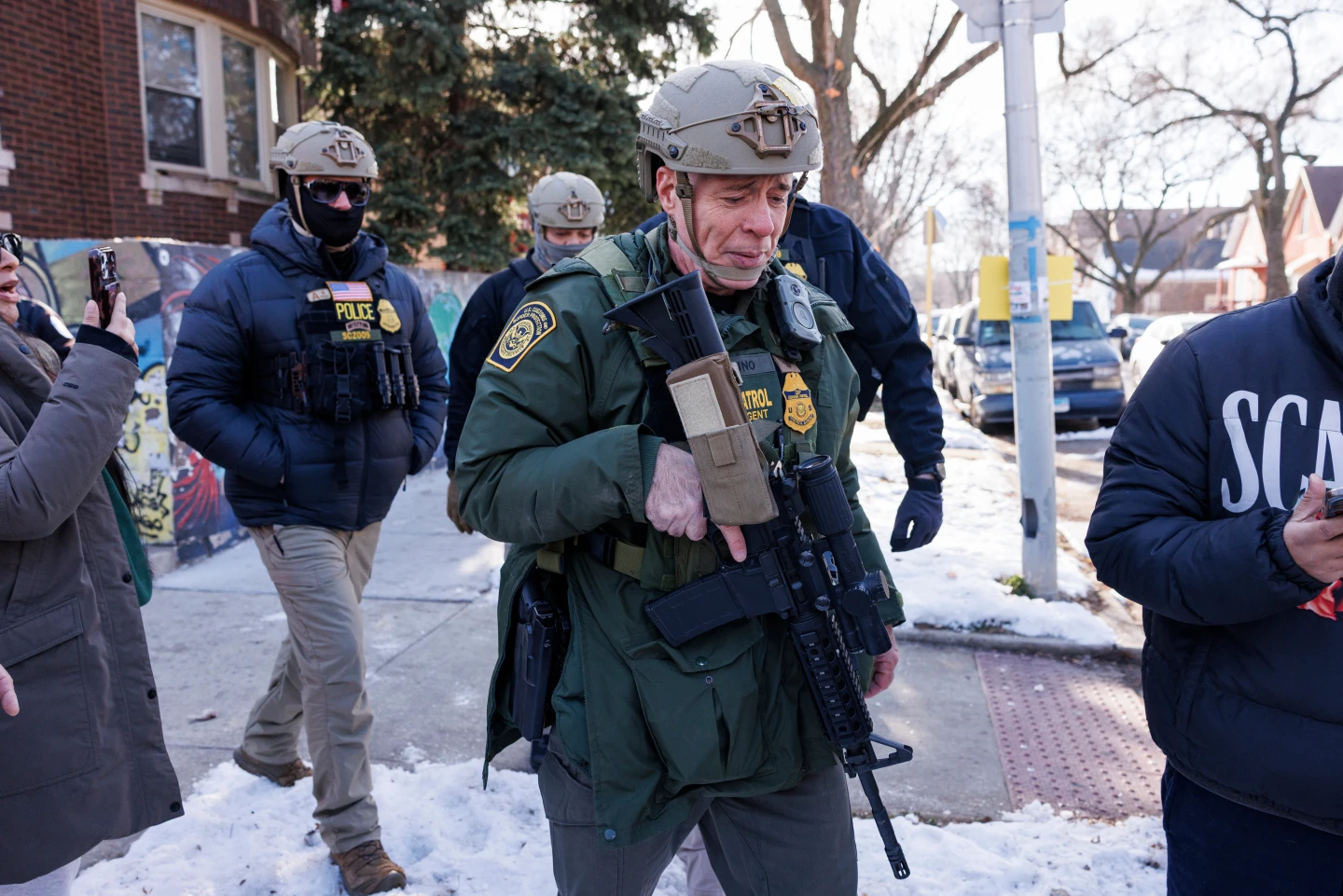
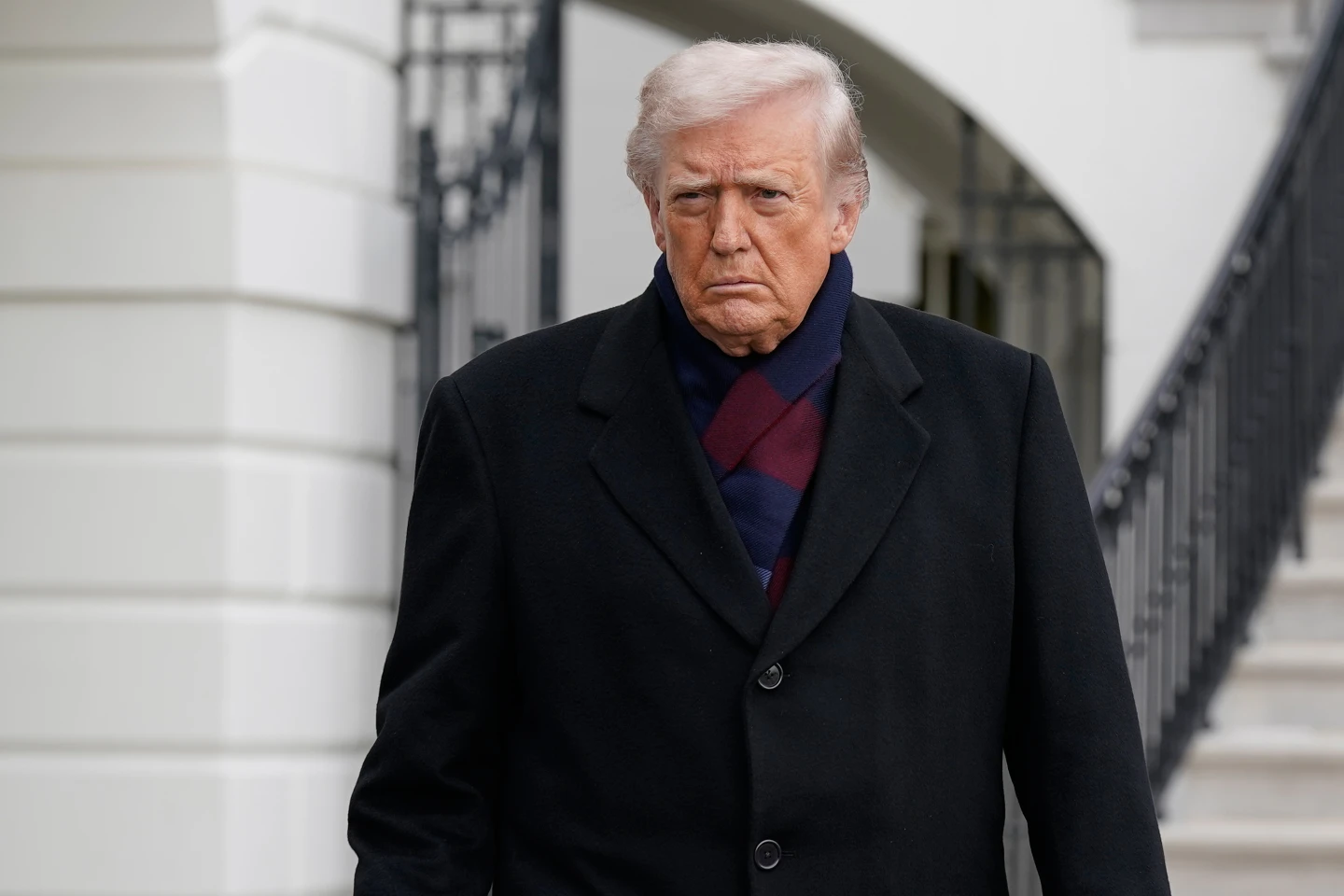
Reid’s case is part of the Justice Department’s months-long effort to prosecute individuals accused of assaulting or hindering federal officers during protests of Trump’s immigration crackdown and military deployments. Attorney General Pam Bondi has ordered prosecutors to charge accused offenders “with the highest provable offense available under the law.” In a recent statement, Bondi pledged that offenders will face “severe consequences.”
Yet, the Justice Department has struggled to deliver on that commitment. An AP analysis found that of the 100 people initially charged with felony assaults on federal agents, 55 saw their charges reduced to misdemeanors, or dismissed outright. At least 23 pleaded guilty, most of them to reduced charges, resulting in minimal jail time. Furthermore, all five defendants, including Reid, who went to trial so far were acquitted.
Prosecutors are not required to disclose why they sought to downgrade a charge, leading to speculation about the quality of their evidence. In many cases, evidence has shown the alleged assaults to be minor or nonexistent. Legal experts argue that the DOJ opted for messaging over substantive legal action, aiming to deter future protests rather than pursue serious criminal cases.
DHS has reported increases in incidents involving federal officers, but these actions have sparked concerns regarding First Amendment rights. Mary McCord, a former federal prosecutor, expressed that the government is being overly aggressive in pursuing charges that may not hold merit. This trend raises fears of chilling effects on freedom of expression within the context of protests against Trump’s immigration policies.
Amidst these challenges, the DOJ remains committed to pursuing the most serious offenses against those alleged to have harmed federal agents, emphasizing their zero tolerance for violence directed at law enforcement.