
In brief
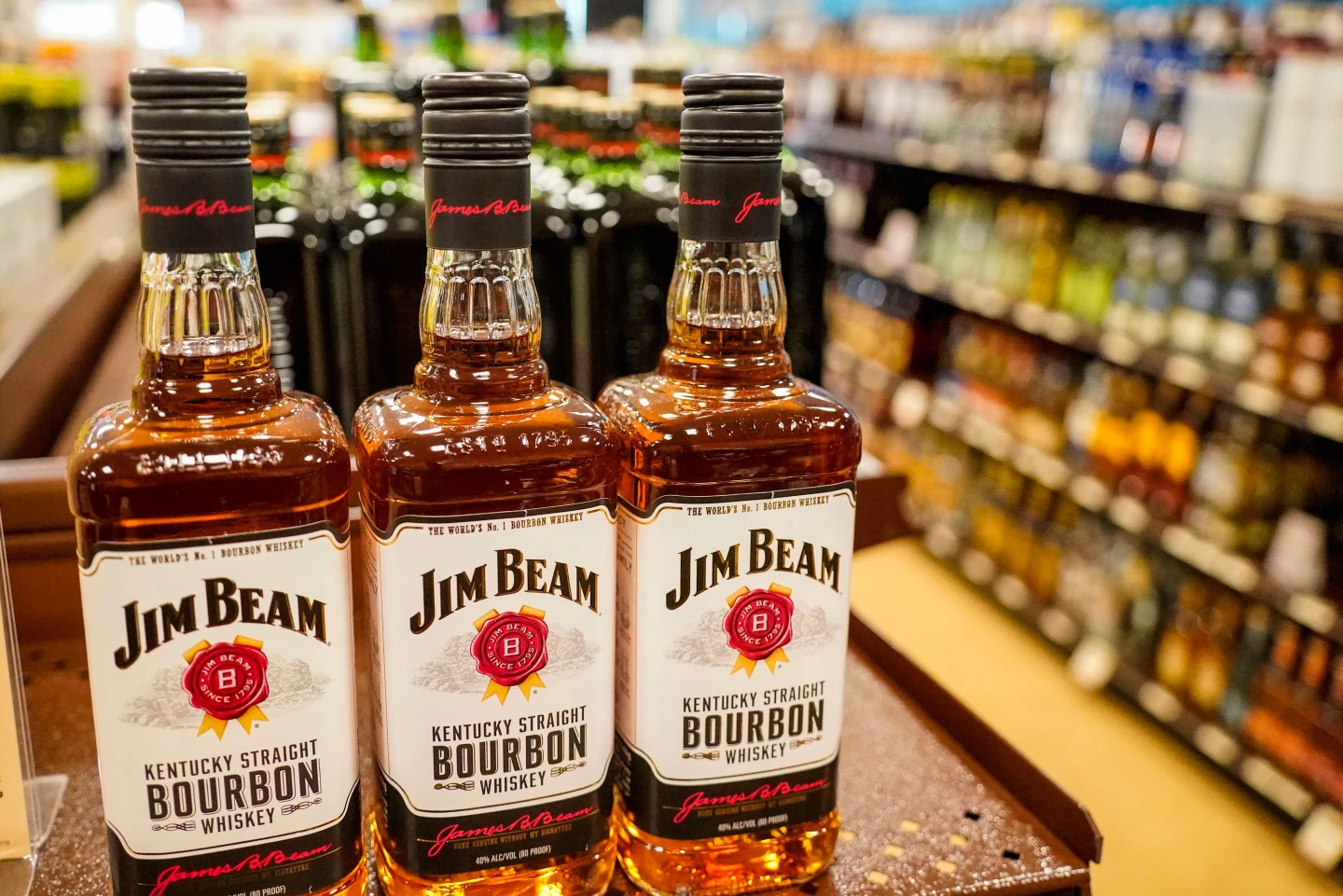
Jim Beam is temporarily suspending bourbon production at its Clermont distillery for at least one year to adapt to market conditions influenced by tariffs and decreasing consumer interest in whiskey. The company will use this time to invest in improvements while keeping other facilities operational and ensuring no layoffs for workers currently affected.
In an unexpected move, iconic bourbon manufacturer Jim Beam has announced a significant change in its production strategy, halting operations at its Clermont distillery in Kentucky for at least one year. This decision comes amid challenges related to tariffs imposed by the previous Trump administration and a notable decrease in consumer demand for bourbon, a product that requires extensive aging before it can be sold.
The company has stated that the pause in whiskey production will allow them to invest in necessary improvements at the distillery, while other components of the facility, such as bottling and warehousing, will continue to operate alongside the visitor center and restaurant. The larger distillery in Boston, Kentucky, will remain in normal operation.
Jim Beam indicated through a company statement that they continuously monitor production levels to align with current consumer needs. Following the announcement, the local chapter of the United Food and Commercial Workers International Union reported that employees are being reassigned within the company, alleviating immediate fears of layoffs.
The bourbon industry finds itself in a precarious position with fluctuating tariff discussions impacting its international market. The company faces the challenge of balancing its production with a significant aging requirement—most bourbons need at least four years in barrels before they are ready for sale. With an estimated 16 million barrels currently aging in Kentucky warehouses, a figure that has significantly increased over the past 15 years, there is a cloud of uncertainty as consumer preferences appear to be shifting. Recent polls suggest Americans are drinking less than they have in decades.
Statistics show that Kentucky is home to about 95% of all U.S. bourbon production, a sector that generates over 23,000 jobs and contributes around $2.2 billion to the state's economy. The immediate impacts of these decisions and shifting market dynamics may reverberate through the industry, potentially redefining the bourbon landscape in the coming years.


