In brief
The Japanese Fair Trade Commission (JFTC) has launched on‑site inspections of six major ice‑cream producers, claiming they formed a cartel to inflate prices beyond raw‑material cost hikes. Companies including Meiji, Morinaga, Ezaki Glico, Lotte, and Akagi Nyugyo were targeted amid a blistering summer that saw temperatures exceed 40 °C. While the JFTC has remained silent on details, the firms have pledged cooperation, and the investigation could set a precedent for future anti‑monopoly enforcement in Japan.
The Japan Fair Trade Commission (JFTC) carried out a series of on‑site inspections on Tuesday of six of the country’s biggest ice‑cream producers, alleging that they form a cartel to inflate prices ahead of an unprecedentedly hot summer.
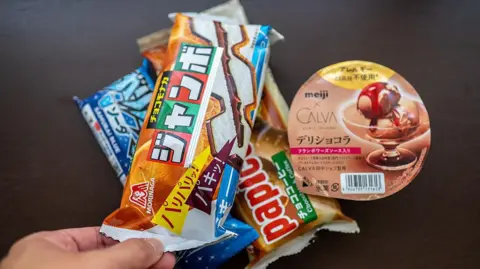
The firms targeted – Meiji, Morinaga Milk Industry, Lotte, Morinaga, Ezaki Glico and Akagi Nyugyo – are major suppliers to supermarkets and convenience stores across Japan. According to the JFTC, the companies allegedly raised their prices “several times by 5‑10 % over the years”, exceeding cost increases in raw materials.
While the regulator has not released a public statement, the companies have issued statements expressing full cooperation. Meiji said it “takes this inspection very seriously” and will cooperate with the Fair Trade Commission. Glico confirmed it would “respond in good faith” to the investigation.
The investigation comes at a time when Japan is battling the hottest summer on record, with temperatures topping 40 °C (104 °F) on numerous days, an event that has already prompted the government to create a new term, "kokushobi", to describe severely hot days.
The outcome of the probe could set a new benchmark for anti‑monopoly enforcement in the food and beverage sector, potentially prompting stricter scrutiny of price‑setting practices across the Japanese market.
The BBC has reached out to the companies for further comments as the investigation unfolds. Further developments are expected as the JFTC continues its inquiry.