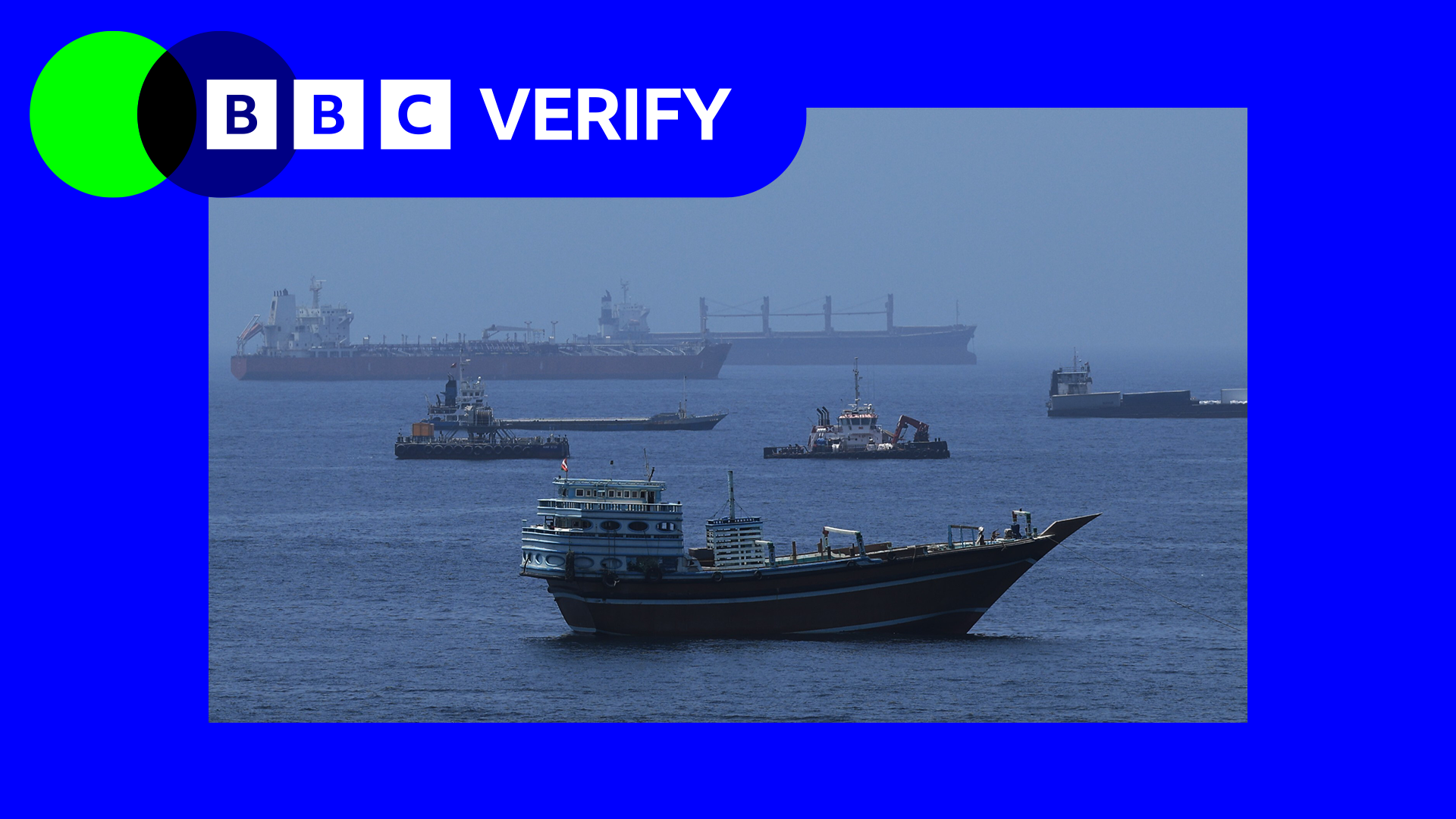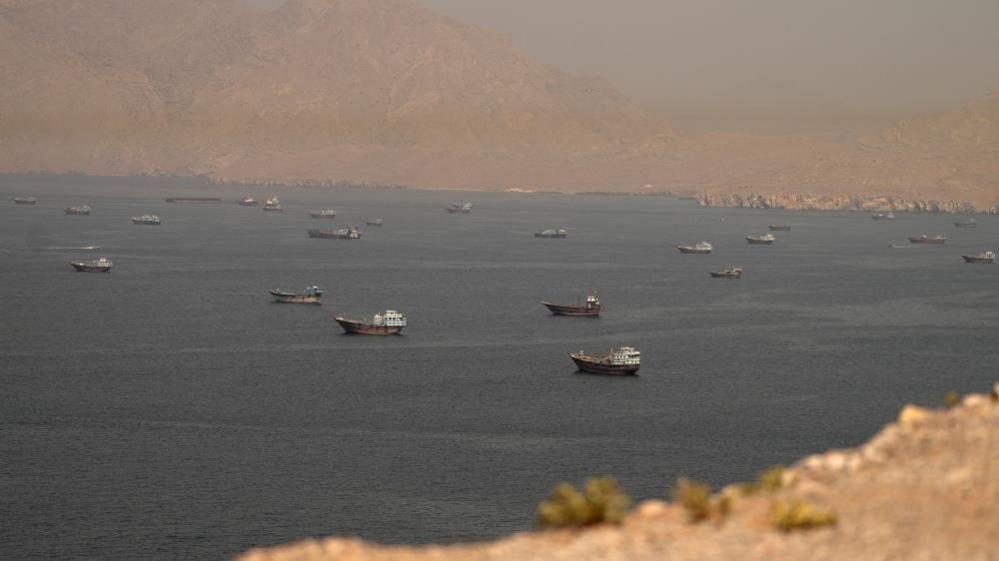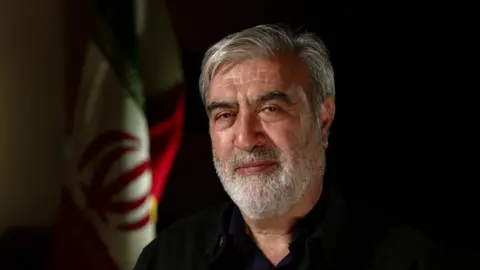
Iran's commitment to control the Strait of Hormuz has been firmly reiterated by senior politician Ebrahim Azizi, who stated unequivocally in a recent BBC interview, 'Never.' Azizi, a former commander within Iran's Islamic Revolutionary Guards Corps (IRGC), explained, 'It's our inalienable right... Iran will decide the right of passage, including permissions for vessels to pass through the Strait.' He also indicated plans to solidify this stance through a parliamentary bill focused on maritime safety and national security.
As the conflict continues to create economic shocks worldwide, Azizi reflected on how recent hostilities have transformed the strait into a strategic asset for Iran to leverage against perceived threats. He noted that this control over vital maritime routes, especially for oil and gas tankers, provides Tehran with significant bargaining power in ongoing diplomatic negotiations.
The geopolitical implications of Iran's firm stance have drawn criticism from neighboring countries, with UAE officials condemning Iranian actions as 'hostile piracy.' This tension illustrates the divide in perceptions surrounding security and maritime control, reflecting a growing unease in the region.
Despite the confrontational rhetoric, there have been indications of attempts to engage with other nations regarding the security framework for the strait. Azizi emphasized, 'Tehran is open to discussing how other nations can benefit from Iran's new framework for the strait, but control is the bottom line.'
As hardliners gain influence in Iran due to escalating conflict, the future of the Strait of Hormuz will continue to be a pivotal issue in international diplomacy, reflecting broader themes of power, security, and conflict in the Middle East.
As the conflict continues to create economic shocks worldwide, Azizi reflected on how recent hostilities have transformed the strait into a strategic asset for Iran to leverage against perceived threats. He noted that this control over vital maritime routes, especially for oil and gas tankers, provides Tehran with significant bargaining power in ongoing diplomatic negotiations.
The geopolitical implications of Iran's firm stance have drawn criticism from neighboring countries, with UAE officials condemning Iranian actions as 'hostile piracy.' This tension illustrates the divide in perceptions surrounding security and maritime control, reflecting a growing unease in the region.
Despite the confrontational rhetoric, there have been indications of attempts to engage with other nations regarding the security framework for the strait. Azizi emphasized, 'Tehran is open to discussing how other nations can benefit from Iran's new framework for the strait, but control is the bottom line.'
As hardliners gain influence in Iran due to escalating conflict, the future of the Strait of Hormuz will continue to be a pivotal issue in international diplomacy, reflecting broader themes of power, security, and conflict in the Middle East.