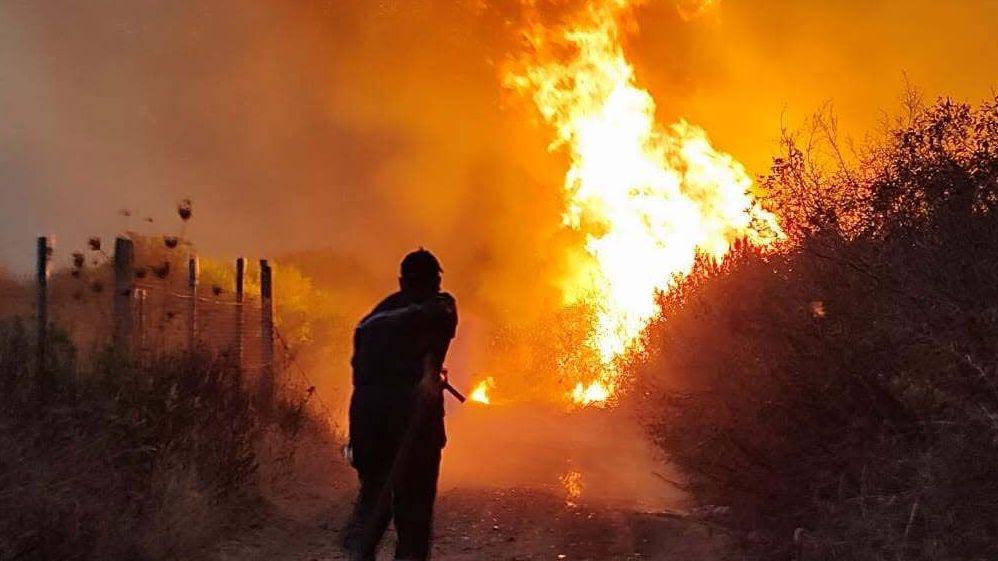
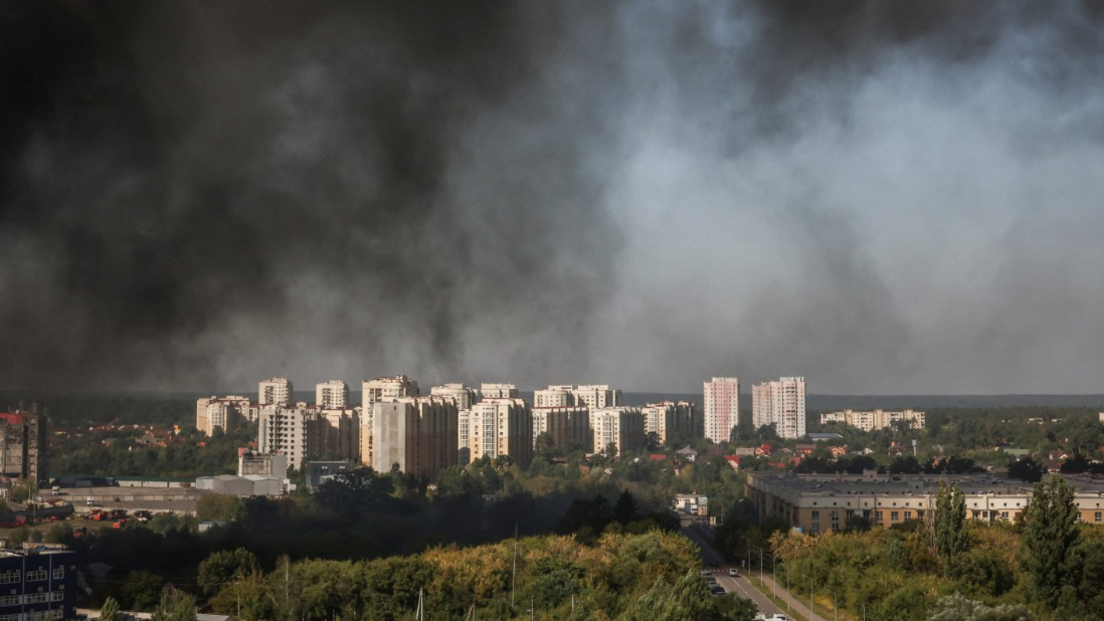
A wildfire that broke out on Friday morning near Agios Vasileios, in central Greece’s Viotia region, has trapped roughly 500 people—most of them tourists—in a town suddenly cut off by flames. Facial close‑ups of calm, anxious faces stretch as authorities move evacuees onto boats, utilizing the nearby marina to ferry residents to safety across the sea.
The flames spread rapidly owing to strong winds, a classic combination that turns any wildfire into a fast‑moving threat. Emergency workers are still evacuating a large portion of the town, with 200 people already transported and a further 100 slated to be ferried out by boat, according to the Greek news agency Amna and fire officials.
Agios Vasileios is not the only hotspot this week. A second fire erupted further along the coast, cutting through farmland before progressing into the rural town of Xironomi. European focus is drawing to wildfires on Crete, where a blaze has burned thousands of hectares and forced the temporary evacuation of about 8,000 residents. In neighbouring Portugal and Spain, large blazes have devoured more than 200,000 hectares, including vineyards and olive groves in northern Portugal’s Valpaços region, and the record‑breaking Ávila wildfire.
These events underscore how climate change is turning the hot season into a tinderbox. Last winter’s wet days encouraged rapid plant growth, which then dried in consecutive heatwaves, creating abundant fuel for fires. Analysts point out that while most wildfires stem from human activity—whether intentional or accidental—the changing climate magnifies the frequency and intensity of the conditions that allow them to spread.
Fire services across Europe are on alert, with four active fires reported along Turkey’s Mediterranean coast alone, according to the agricultural ministry. With the risk remaining high through the rest of the week, local governments continue to monitor weather patterns, mobilise resources, and, when necessary, issue evacuation orders to protect both residents and the tourism industry that thrives on seasonal coastal sites.