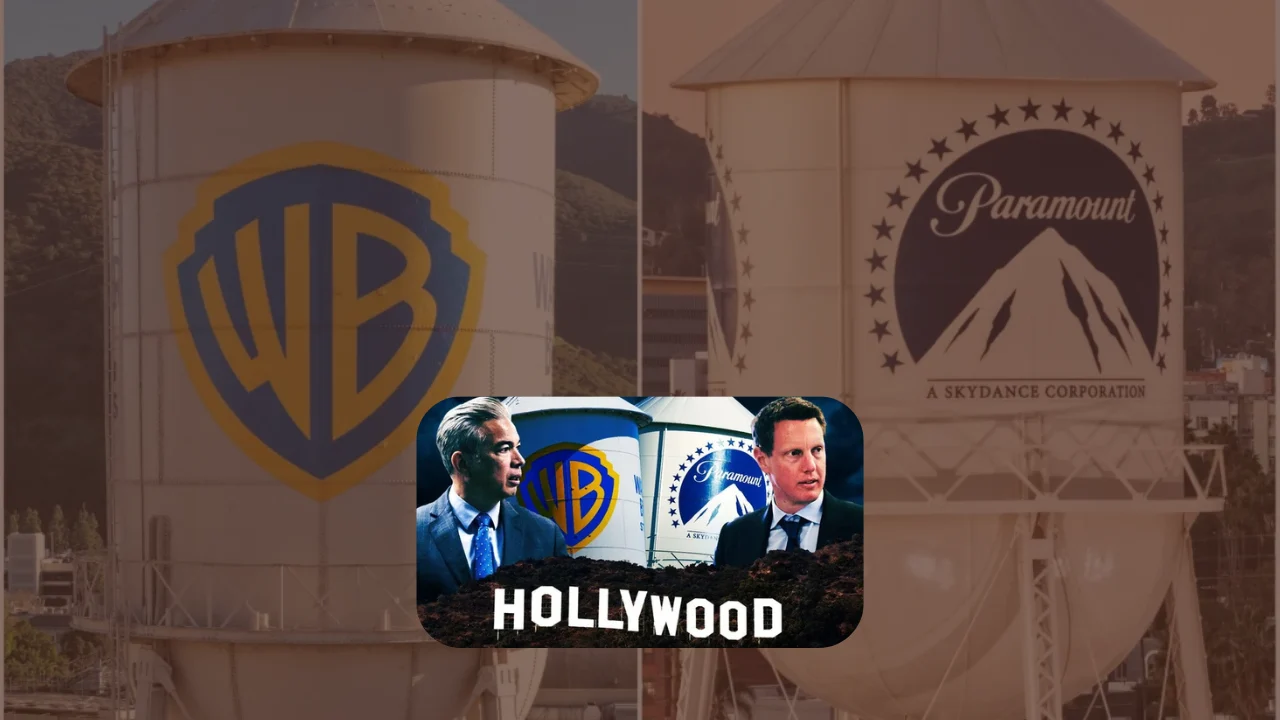
Disaster, catastrophe and nightmare. That's how Hollywood's creative workers describe the fall of the once mighty Warner Bros, as Netflix and Paramount battle to buy the historic studio and tinsel town braces for more upheaval and job losses.
Warner's decline and impending sale – whether it's to Paramount Skydance as a whole or to Netflix cut up in parts – is being mourned in Hollywood, where a historic production slump has already battered the entertainment industry. The loss of the studio, which has created iconic films ranging from Casablanca and Goodfellas to Batman and Harry Potter, likely means more job cuts and definitely means one less buyer of film and TV projects.
Interviews with dozens of actors, producers and camera crews reveal an industry attempting to weigh the lesser of two evils: control by a tech giant blamed for killing movie theatres (Netflix) or billionaires seen as too cozy with President Trump (Paramount).
If Netflix gets the deal they want, they will buy Warner Bros' crown jewels – the 102-year-old studio, HBO, and its vast archive of films and TV shows – leaving Warners's legacy TV networks for another buyer.
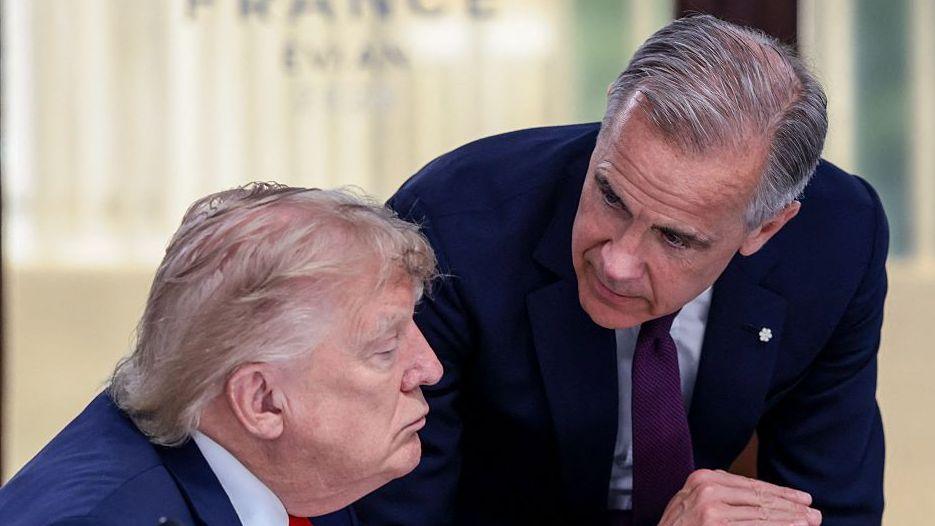
Meanwhile, Paramount Skydance's $108bn hostile takeover bid for Warner Bros includes backing from Saudi Arabia, Abu Dhabi, Qatar and a fund started by Jared Kushner. It has raised concerns about the possibility of censorship and government overreach.
The Warner Bros deal is the latest in a long line of major shake-ups in Hollywood since the pandemic, with many media companies closing doors or merging.
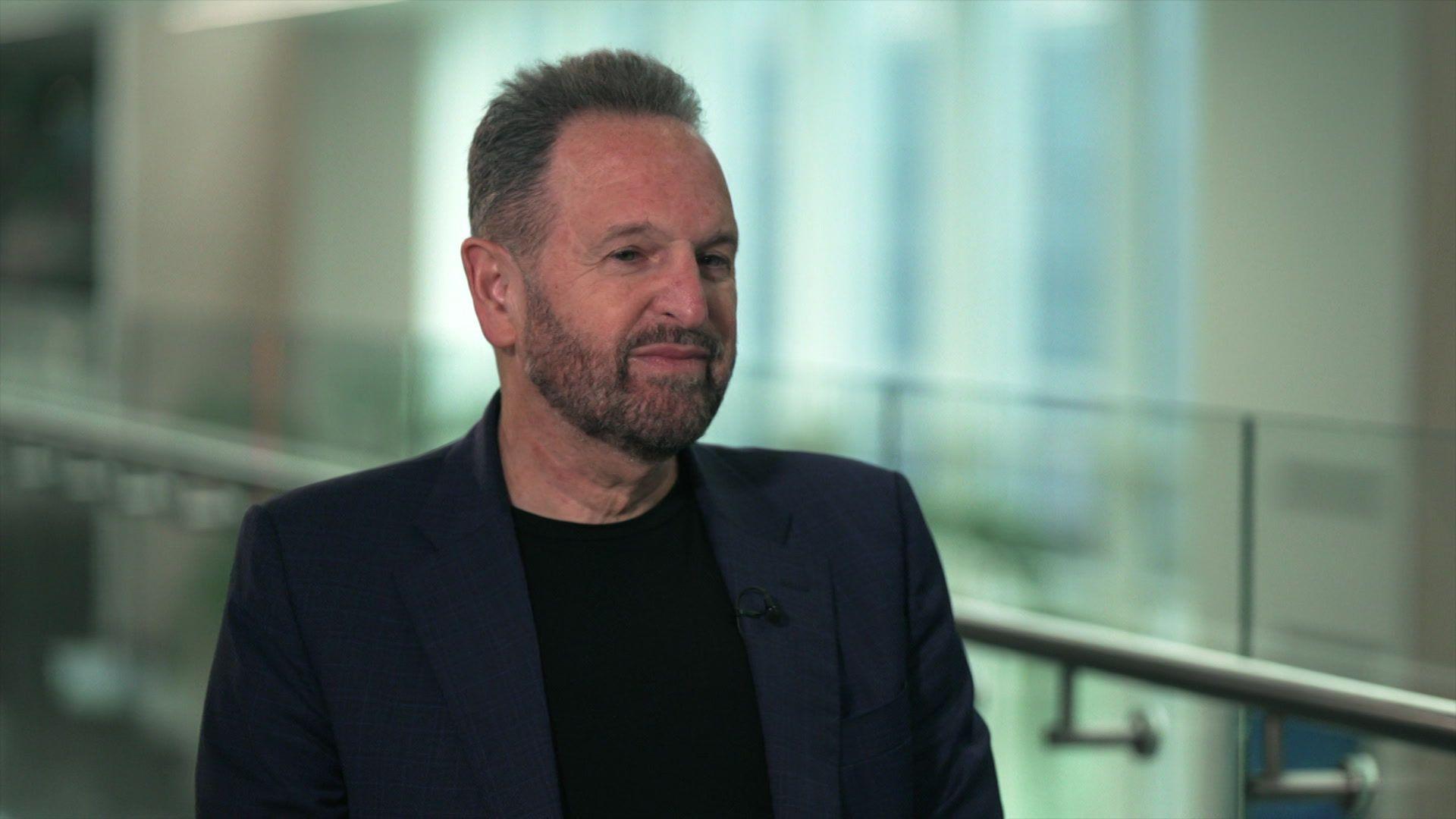
Whether they're rooting for Paramount, Netflix, or another buyer, industry insiders largely agree on one point: Warner Bros Discovery CEO David Zaslav is the story's villain. Critics have linked him to the character Gordon Gekko from Wall Street, focusing on his lucrative salary amid gigantic losses for the studio.
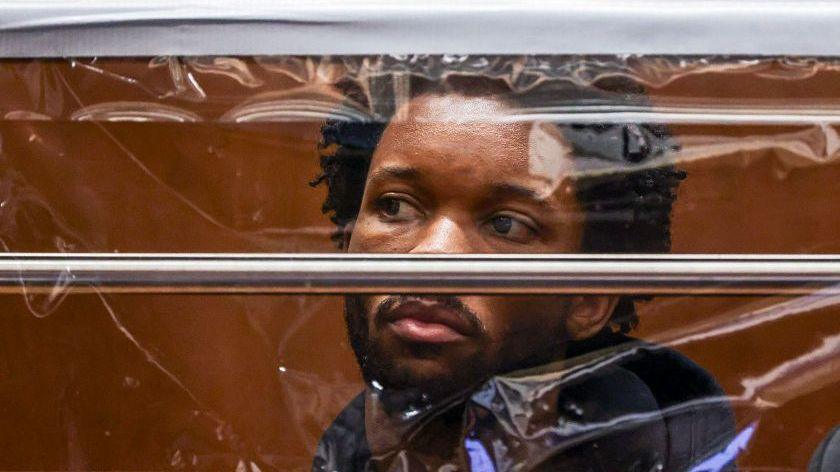
For many filmmakers, the buyer feels almost irrelevant. They are more concerned with how to reinvent themselves as the industry shrinks amid consolidation and the growing influence of AI.
As Hollywood grapples with these changes, some industry workers express hope for Netflix's expressed intentions to preserve theatrical releases, while others fear the implications of such consolidation and tech influence.