What’s in the Gaza peace deal roadmap?
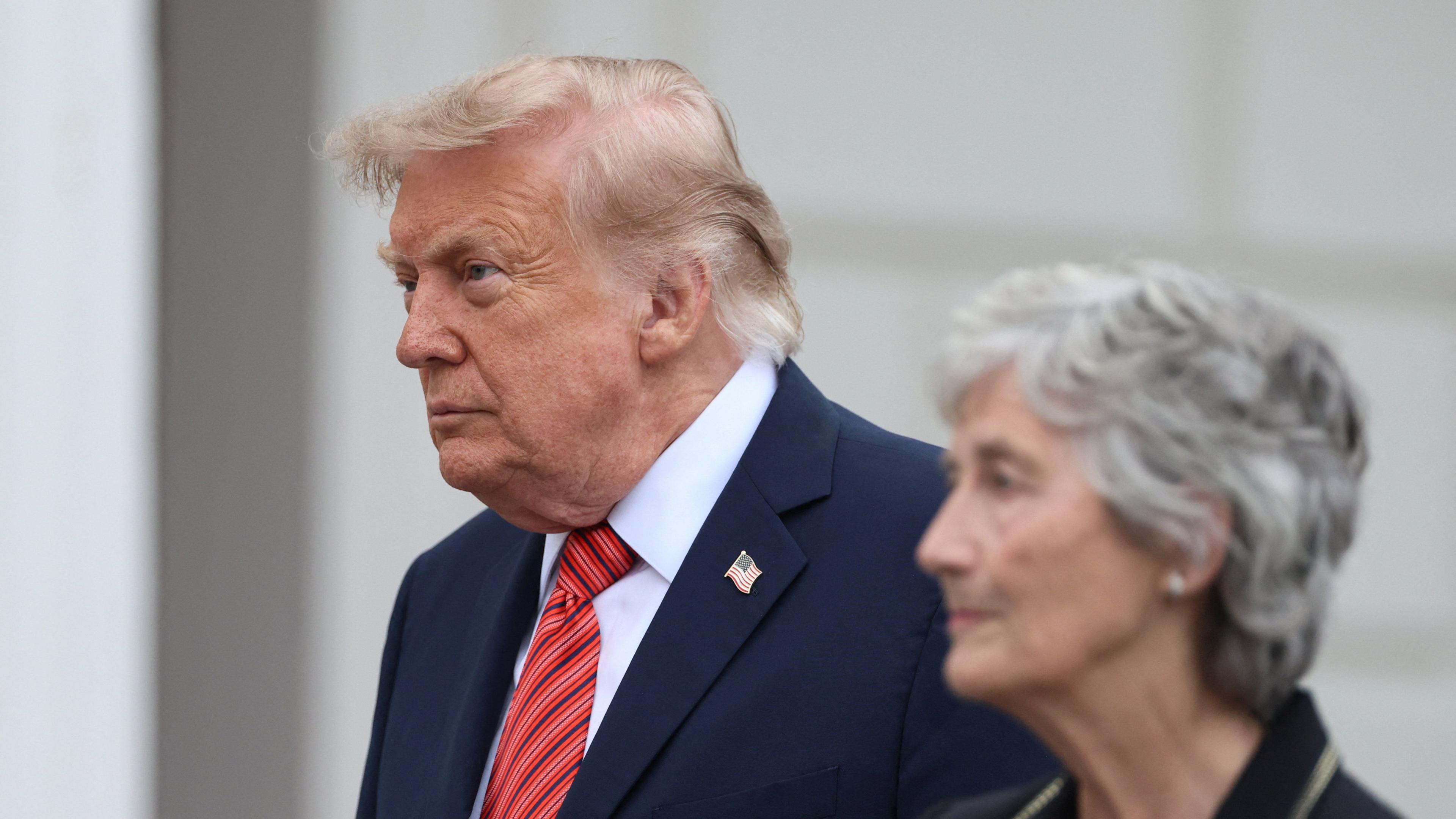
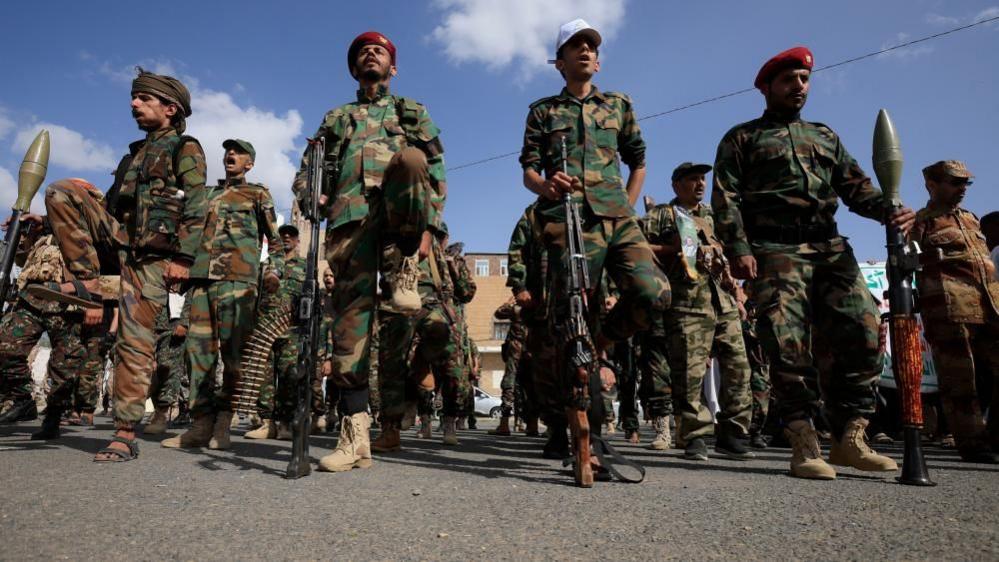
According to reports, Hamas has said it has accepted a disarmament roadmap for Gaza that would see it lay down its arsenal—an action President Donald Trump described as "a monumental step toward lasting peace and security." The group claims negotiations were "responsibly and positively" and that a national consensus has been reached among Palestinian factions.
Israel remains highly sceptical of Hamas’s willingness to disarm and has stated it will not begin withdrawing forces until the organisation fulfills its commitments. The roadmap, published by a US‑led Board of Peace, is a 15‑point plan that outlines the inventory of heavy weapons, military production sites, weapons depots, and tunnels, and links these actions to a phased Israeli withdrawal. The plan also includes a clause that no weapons may be transferred to Israel or any non‑Palestinian party.
Execution of the disarmament process is to be overseen by a Palestinian National Committee—comprised of independent technocrats—alongside an International Stabilisation Force (ISF). Currently the committee operates from Cairo and has yet to enter Gaza, while the military hardware is to be stored securely for the duration of the implementation schedule. The timeline for these steps is described as "gradual, sequential, and time‑bound," with a detailed schedule to be prepared within 14 days.
Hamas has tied its disarmament pledge to Israel’s cessation of all forms of aggression and a full withdrawal from Gaza. It insists that the removal of underground tunnels, weapons stores and manufacturing sites will be conducted under supervision of the ISF, and that remaining personal arms will be registered and handed over in stages to the new Palestinian police force.
Emerging civil‑service issues feature heavily in the plan. Hamas announced a dissolution of its Gaza government and pledged to transfer power to the National Committee, while ensuring that tens of thousands of former civil servants—including police, security, health and education staff—receive fair treatment, compensation or new roles. How security vetting will be applied to these employees remains to be clarified.
The timing of the deal coincides with a shift in Hamas’s internal dynamics: a new chief negotiator, Khalil al‑Hayya, has simplified decision‑making. According to Palestinian officials, regional mediators and Washington pressures have compelled Hamas to present a concrete political step, citing the devastating humanitarian conditions in Gaza as the driving force behind the decision.
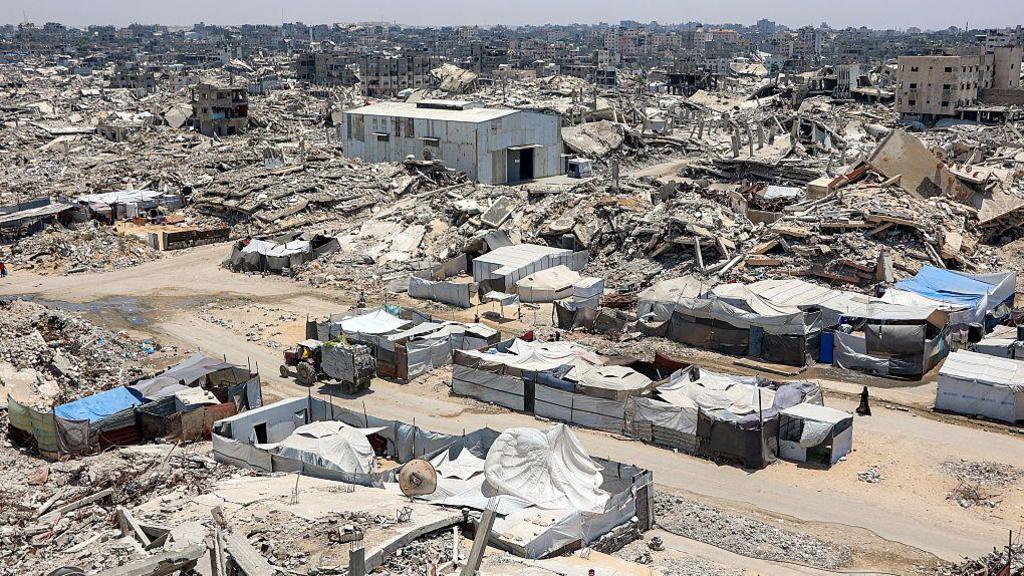
In Gaza, the announcement has met with limited enthusiasm. Many Palestinians remain deeply sceptical after years of failed ceasefires and collapsed agreements. Despite this, the situation remains dire: over two million residents are living in cramped conditions, struggling with disease, hunger, lack of clean water and shelter. According to the Hamas health ministry, at least 1,168 Palestinians—including children—have been killed in Israeli attacks since the ceasefire, while Israel says it has destroyed more than 1,500 buildings still under its control.
Implications for Peace
The acceptance of the disarmament plan represents a potential turning point in the ongoing conflict, but its success depends on Israel’s willingness to withdraw voluntarily and on completing the agreed administrative and security arrangements in a transparent manner. The plan also illustrates the complexity of balancing military, political, and humanitarian considerations in a conflict that has long strained international mediation efforts.