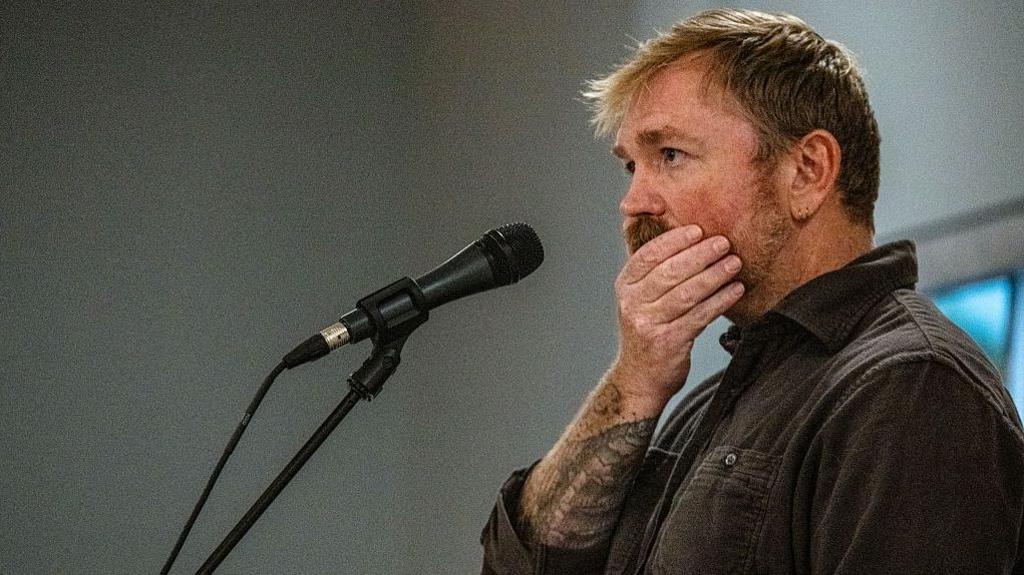
Graham Platner, the former marine turned oysterman who captured the imagination of voters across Maine, announced the suspension of his Senate campaign on Wednesday night. The decision came only hours after Politico published a story containing an allegation from an ex‑girlfriend that a drunken Platner had entered her home uninvited in 2021 and sexually assaulted her.
Platner, who had defeated popular governor Janet Mills in the Democratic primary and built a grassroots network of over 15,000 supporters, has denied the claim. However, the damage was swift: key Democratic allies, including Senate leaders Bernie Sanders and Elizabeth Warren, withdrew their endorsements and the national party announced it would stop funding his campaign.
In the recorded video posted on social media, Platner stated that he was withdrawing “because of the structures that are being taken away from us by those in power.” He emphasized that he would not formally file paperwork to drop out until a replacement was chosen through an open and democratic process.
The state Democratic Party now faces the tight deadline of July 27 to select a new nominee. A convention is scheduled for the next two weeks, with hundreds of delegates expected to vote. The party has pledged that the process will be transparent and include input from the broad base that supported Platner.
The exit also highlights the growing tension within the party. While the progressive wing championed Platner for his outsider appeal, moderates feared he could jeopardise their “Must‑Win” target in Maine. Political analysts note that the party’s ability to rally its core supporters will be crucial in the weeks ahead.
With the setback, several more seasoned candidates have entered the spotlight, such as former state senate leader Troy Jackson, state epidemiologist Nirav Schah, and former secretary of state Shenna Bellows. These individuals offer familiarity and experience that could mitigate the fallout from the controversy.
The race for a Senate seat in Maine remains pivotal for Democrats seeking to gain control of the Senate in 2026. As the party works to secure a new nominee, the scrutiny over the incoming candidate’s record will intensify.