
In brief
In a significant verdict, three ex-sheriff’s deputies were acquitted of murder in the death of Eurie Martin, a Black man who was Tasered after asking for water. The case highlights broader concerns regarding police conduct and racial elements in law enforcement. While the defense justified their actions, the Martin family and civil rights advocates express disappointment and ongoing legal pursuits.
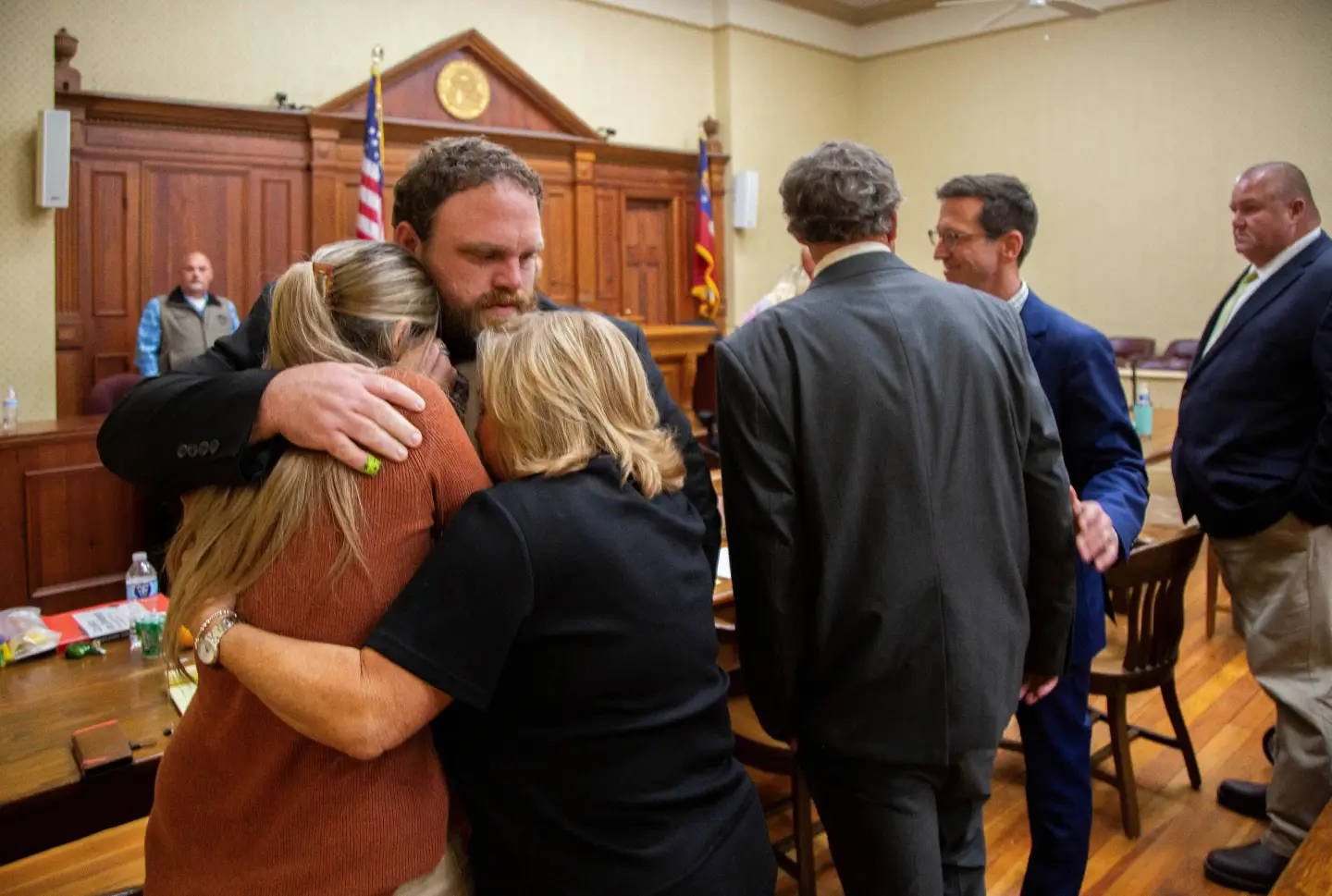
SANDERSVILLE, Ga. (AP) — In a case that has drawn national attention, three former Georgia sheriff’s deputies were acquitted of murder late Thursday in the death of Eurie Martin, a 58-year-old Black man. Martin had raised suspicions by asking for a drink of water while walking through the small town of Deepstep. Deputies Henry Lee Copeland, Michael Howell, and Rhett Scott claimed Martin was illegally walking in the street, littered a soda can, and aggressively refused to comply with their commands.After eight years and two separate trials, the jury also cleared all three officers of aggravated assault. Scott was acquitted on all charges, while jurors were deadlocked on involuntary manslaughter and reckless conduct charges against Copeland and Howell, leading to considerations of a potential third trial by prosecutors.Feeling a mix of relief and sadness, Karen Scott, the mother of one of the deputies, expressed, “We’re elated,” adding her sympathies to Martin’s family. Conversely, Helen Gilbert, Martin’s sister, voiced profound disappointment, reflecting the emotional weight of the ruling.Martin was on a long 30-mile walk to visit relatives during a hot July day in 2017. His family noted he was in poor health conditions, dealing with dehydration and untreated mental health issues at the time. Eyewitness accounts revealed that he was spotted walking into a homeowner's yard, which triggered a 911 call due to concerns about his appearance.The responding officers confronted Martin in the roadway, where they claimed he resisted them. They deployed Tasers on him over fifteen times, ultimately leading to his collapse and death, categorized as a homicide in an autopsy report.Defense Counsel Shawn Merzlak argued that the officers acted reasonably under the circumstances, while Prosecutor George Lipscomb criticized that rationale, questioning the precedent set by their actions: “Is this who you are?” he challenged the jury.The case has spurred discussions on police use of force, racial profiling, and informed consent, with the Martin family planning further legal actions against those involved, highlighting unresolved tensions within law enforcement practices.

