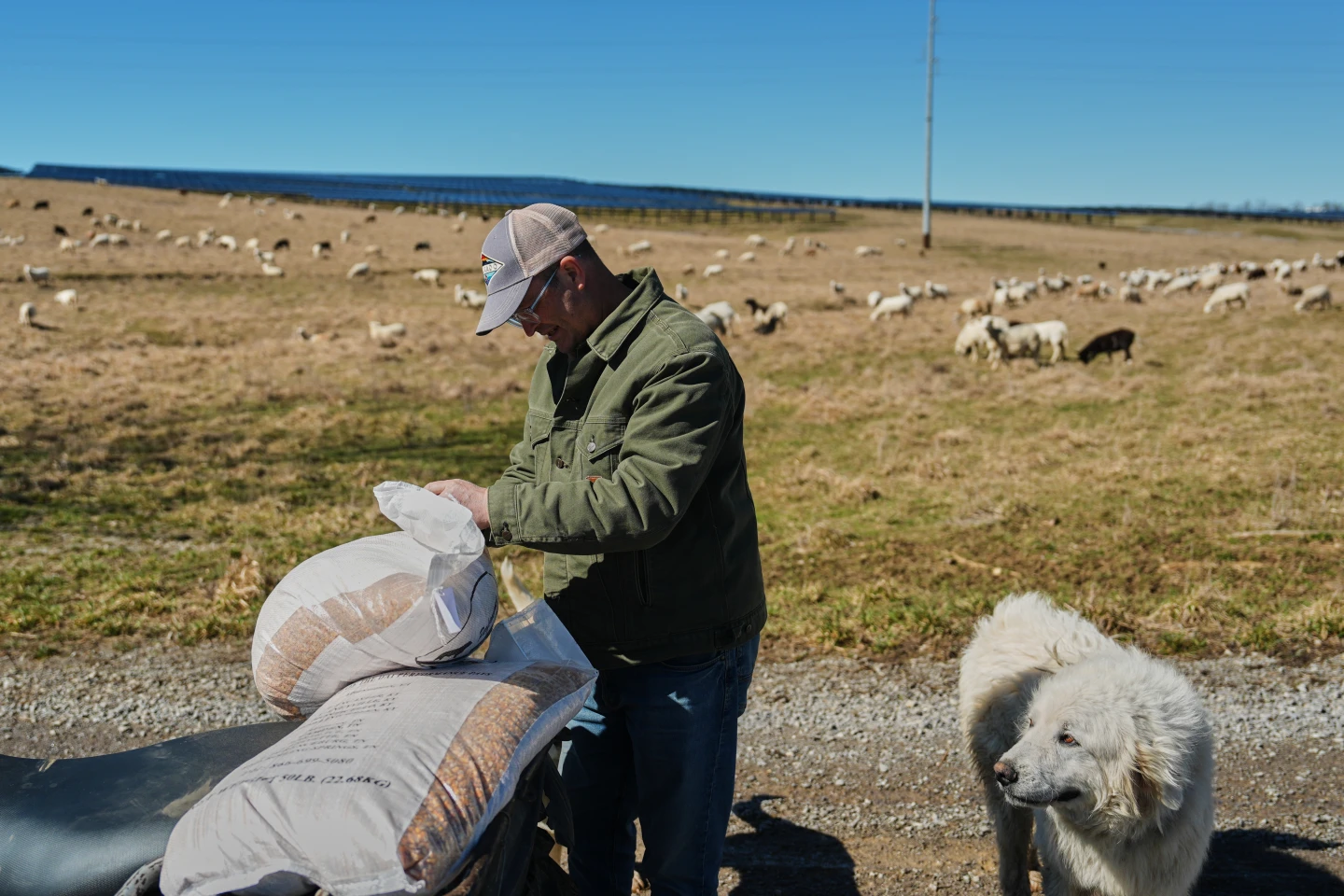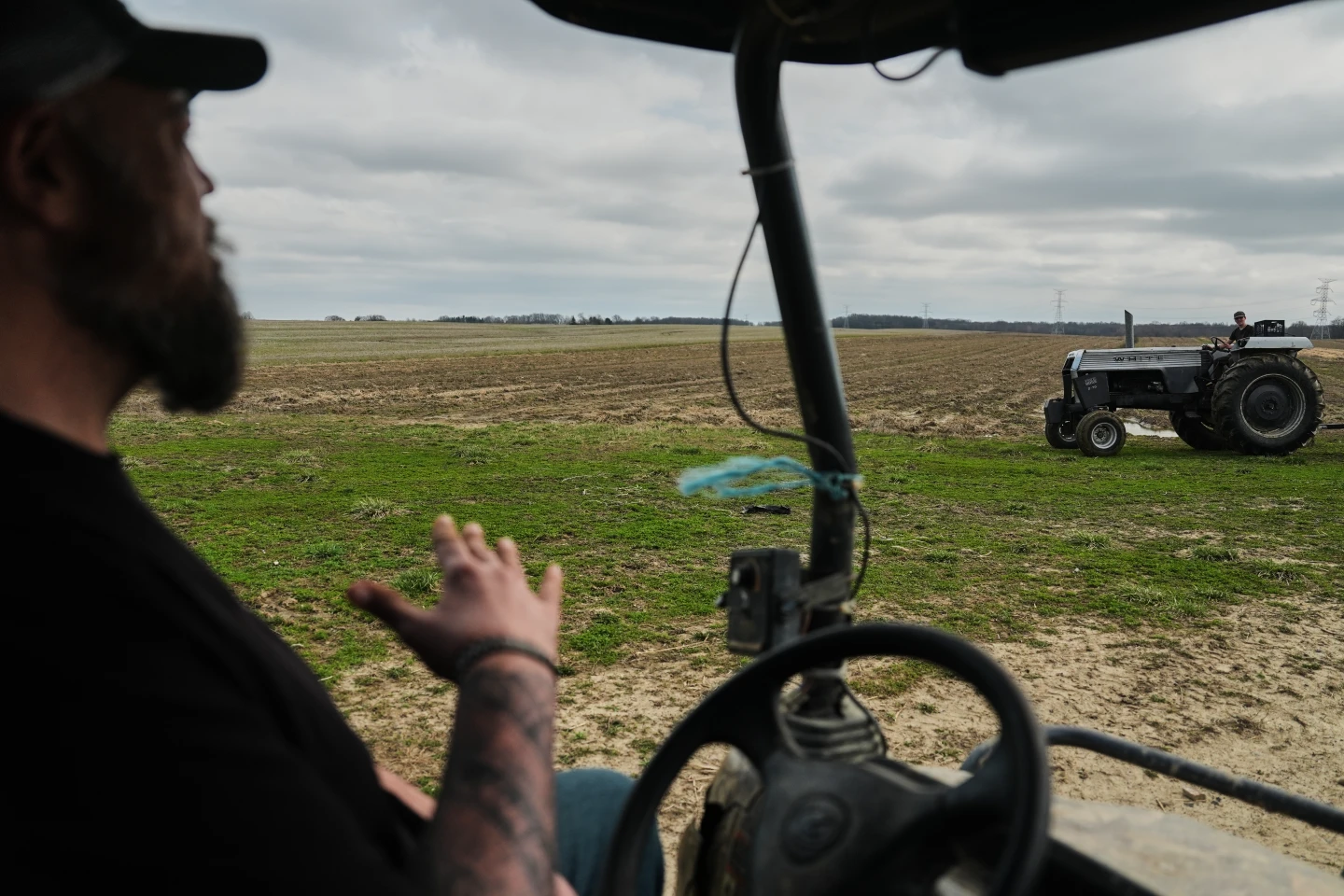
Wayne Greier, a farmer from Canfield, Ohio, watches as his son Blake operates a tractor in preparation for the planting season. Greier recently faced considerable financial challenges, exacerbated by medical debts and the cancellation of a solar farm lease that would have provided substantial annual income. Local officials vetoed his plans citing state law, blocking not only a potential financial boon but also contributing to Greier's ongoing battle to keep his family farm afloat.
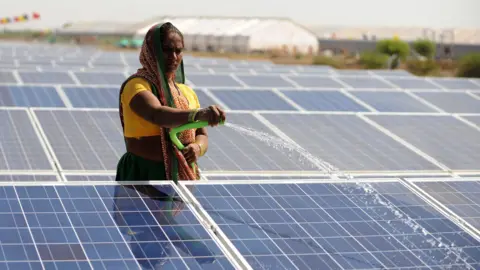
Many in the community share Greier's sentiments, as local opposition to solar energy projects becomes a common theme across rural America. Advocates argue that renewable energy could provide much-needed income for struggling farmers and additionally bolster job creation and tax revenues for local governments.
However, those in opposition often express concerns about the potential environmental impacts of solar farms. Residents in Dearborn County, Indiana, have halted solar development over fears regarding proximity to homes and land use implications.
A National Trend of Opposition
The issues faced by Greier and similar families are symptomatic of a broader trend in rural America, where local regulations increasingly restrict renewable energy projects. A recent study from Columbia University showed a marked rise in local laws that place constraints on solar and wind developments.
Renowned environmental policy analyst, Professor Juniper Katz, remarked that while many communities support decarbonization efforts, they struggle to balance public concerns about land use. People may want green energy, but when it affects their backyard, it creates tensions that are difficult to resolve, she explained.
Morgan Carroll, a lifelong resident of Shelby, Ohio, has mobilized support in her county to lift a local ban on solar development, seeing it as a necessary move for future job growth and sustainability. Carroll's advocacy has underscored the importance of allowing communities to make decisions regarding energy sources, particularly as she considers the future for her children.
As Congress reconfigures federal energy policies to incentivize renewable energy, the conflict at local levels grows, with landowners like Greier fighting to assert their rights over how their properties can be utilized, even as state and local officials impose restrictions.
This tension reveals the complexities of battling public sentiment and regulatory frameworks in the quest for renewable energy in America, as families continue to navigate a landscape fraught with challenges while seeking to embrace sustainable solutions.