In brief
A recent hack by the ShinyHunters group has compromised the private information of thousands of FBI agents. Current and former staff, including undercover operatives, express shock and concerns over potential targeted attacks. The breach also exposes sensitive medical records that could threaten agents' families. While the FBI denies compliance with ransom demands, the incident raises serious national security questions.
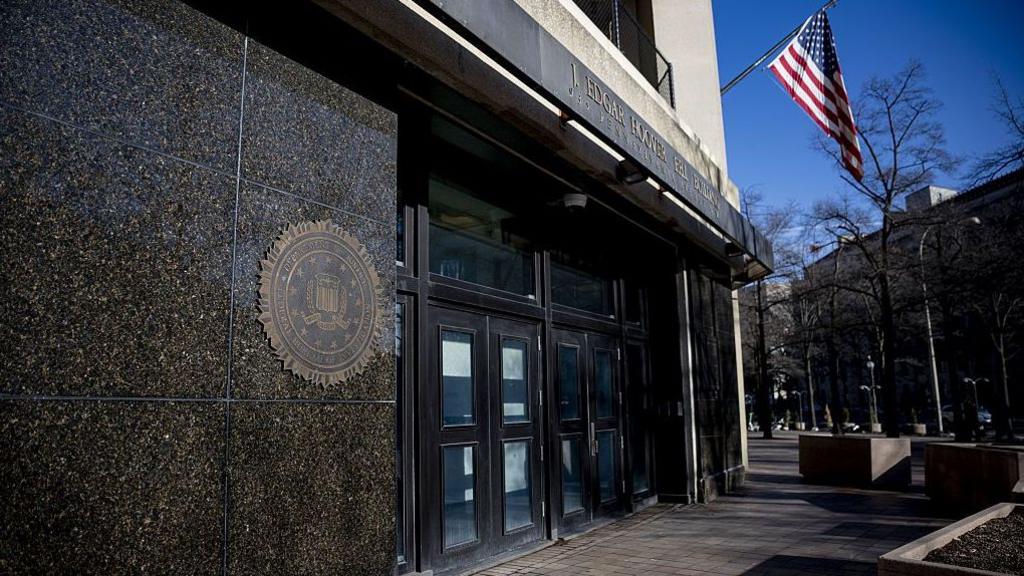
A hacker collective called ShinyHunters announced that they had breached FBI systems, capturing the personal and professional data of more than 8,000 agents and support staff. The leak includes names, addresses, phone numbers, badge numbers and even sensitive medical records, raising immediate concerns over the safety of agents and their families.
Current agents have formed group chats to share fears, citing the risk of being targeted in phishing scams or even physical retaliation by criminals and hostile state actors. Former cyber‑investigator Michael McPherson said “sloppy and lazy security failures” left the department vulnerable, while former deputy cyber director Cynthia Kaiser warned that the data could already be circulating on dark‑web forums.
The FBI has publicly denied that the breach is its fault, calling the attack a “non‑superior” vector from a relatively unsophisticated group that claims to have stolen the data in early Monday. In exchange, ShinyHunters demands that the FBI retract a May advisory that they say offended the gang, and threatens to publish the stolen files in four days if their demands are not met.
Some former agents describe the incident as an embarrassment, noting that a world‑class law‑enforcement organisation should have fared better. Yet the department is conducting an aggressive internal investigation and appears reluctant to acquiesce to the ransom. While some policy experts argue the agency must now invest more heavily in cyber‑defence, others worry that the attack signals a broader vulnerability for intelligence services worldwide.