
In brief
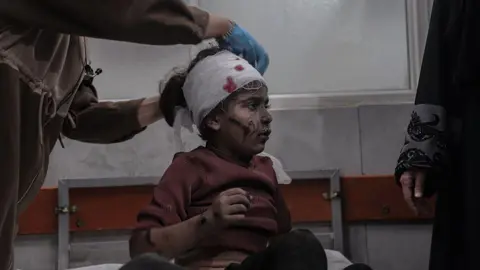
The ongoing conflict in Gaza has seen a resurgence of violence as Israeli air and artillery strikes led to the deaths of 25 Palestinians. The Israeli military stated that these actions were taken in response to gunfire from Hamas members, which was considered a violation of the ceasefire. Casualties included women and children, further deepening the humanitarian crisis in the region. The backdrop of these attacks includes a recent UN Security Council resolution aimed at stabilizing the ceasefire, but tensions remain high as conflicting narratives persist.
Recent airstrikes by the Israeli military have resulted in the deaths of at least 25 Palestinians, igniting concerns of another violent escalation following a fragile ceasefire in the region.
As reported by the Hamas-run health ministry, the fatalities include ten individuals struck while at a ministry building in Gaza City, including a woman and a young girl. Rescue efforts continue as responders manage the aftermath of these strikes.
The Israeli military justified the strikes as a response to gunfire directed at their soldiers in southern Gaza, claiming it as a violation of the recently established ceasefire. There was no immediate comment from Hamas regarding these assertions.
The United Nations Security Council recently passed a resolution supporting U.S. President Donald Trump's peace plan for Gaza, a move intended to stabilize the ongoing conflict. However, violence resumed shortly after the resolution's passage, indicating the precarious situation.
Complaints within the Gaza Strip have intensified as reports emerge of significant civilian casualties, including children, following the escalation in hostilities. Activists and human rights organizations continue to voice out against the killings and the pressing need for a sustained ceasefire.
This latest chapter of violence comes alongside the already grave humanitarian situation in Gaza, where the health ministry claims that countless lives have been lost since hostilities escalated in October 2023, exacerbating the dire needs for safety and stability in the region.
