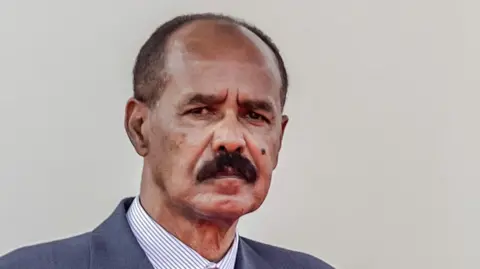
Eritrea has announced its withdrawal from the East African regional bloc Igad, accusing the organization of 'becoming a tool against' nations like itself.
In a statement issued last Friday, Eritrea's foreign ministry criticized Igad for straying from its founding principles and failing to promote regional stability.
This decision comes amid escalating tensions between Eritrea and Ethiopia, heightening fears of renewed armed conflict. Eritrea's foreign ministry claimed that Igad had lost its legal authority, providing no strategic benefit to its members.
The response from Igad was quick, stating that Eritrea had not put forth any 'tangible proposals' or engaged with necessary reforms since its return to the organization in 2023.
Igad, established to promote regional stability and food security, counts several East African nations among its members, including Ethiopia, Kenya, Sudan, South Sudan, Uganda, and Djibouti. Eritrea's government has frequently accused Igad of siding with Ethiopia in disputes.
Historically, this isn't Eritrea's first withdrawal. It previously exited the bloc in 2007 due to a border dispute with Ethiopia, only to rejoin this year.
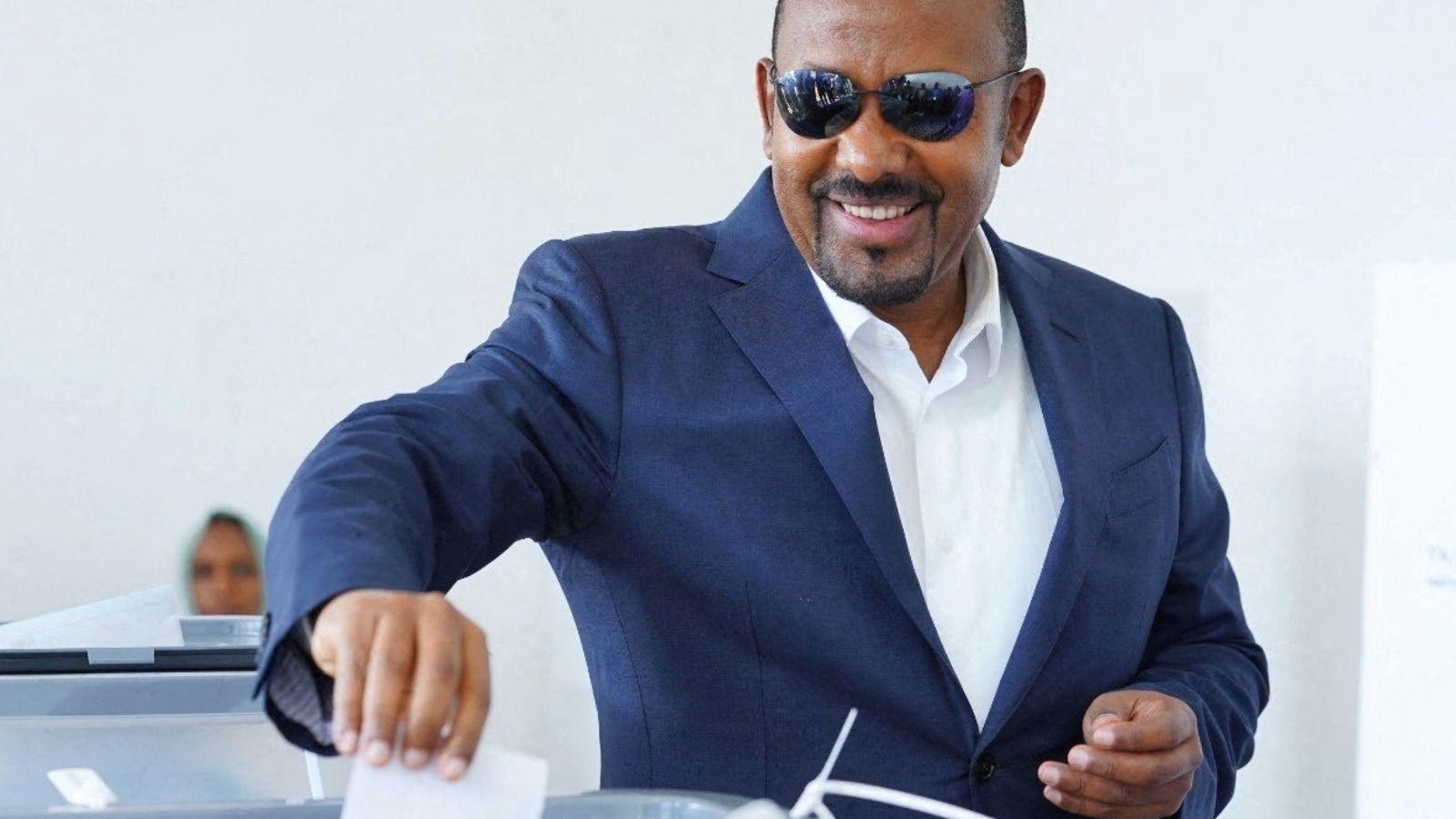
The roots of Eritrea's frustrations run deep; since 2023, Ethiopian Prime Minister Abiy Ahmed has pushed for access to the Red Sea through Eritrea, provoking a fierce response from Asmara.
Since Eritrea gained independence from Ethiopia in 1993, following a long conflict, relations have been fraught. Abiy's demands for sea access have led to questions about Ethiopia's recognition of Eritrean sovereignty, further exacerbating tensions that historically included a war claiming over 100,000 lives.
Both nations have continued to deal with accusations of destabilizing the region, with Eritrea asserting that its neighbors align with Western powers to undermine it.
Criticism of Igad has been significant since its formation, with many arguing it has failed to foster lasting stability amid ongoing civil wars and regional conflicts.