
In brief
A new poll indicates that while rapid charging station installations have surged, concerns about charging accessibility persist among potential electric vehicle (EV) buyers, second only to price sensitivity. Advocates like Daphne Dixon are striving to alleviate range anxiety through awareness campaigns, but the initial costs of EVs continue to be a significant barrier. Though fast charging have increased across main highways, rural areas still face challenges in charging infrastructure.
KENT, Conn. – For most Americans, there is less reason to worry about finding chargers to fuel up an electric vehicle (EV). However, charging concerns remain a prominent hesitation for potential buyers, ranking second only to the initial purchase price.
Despite the addition of over 12,000 fast chargers near U.S. highways this year, a new poll by the AP-NORC Center for Public Affairs Research and the Energy Policy Institute shows about 40% of U.S. adults still cite range and charging time as major barriers to EV ownership. Contrarily, only about 20% express a strong likelihood of purchasing an electric vehicle as their next car.
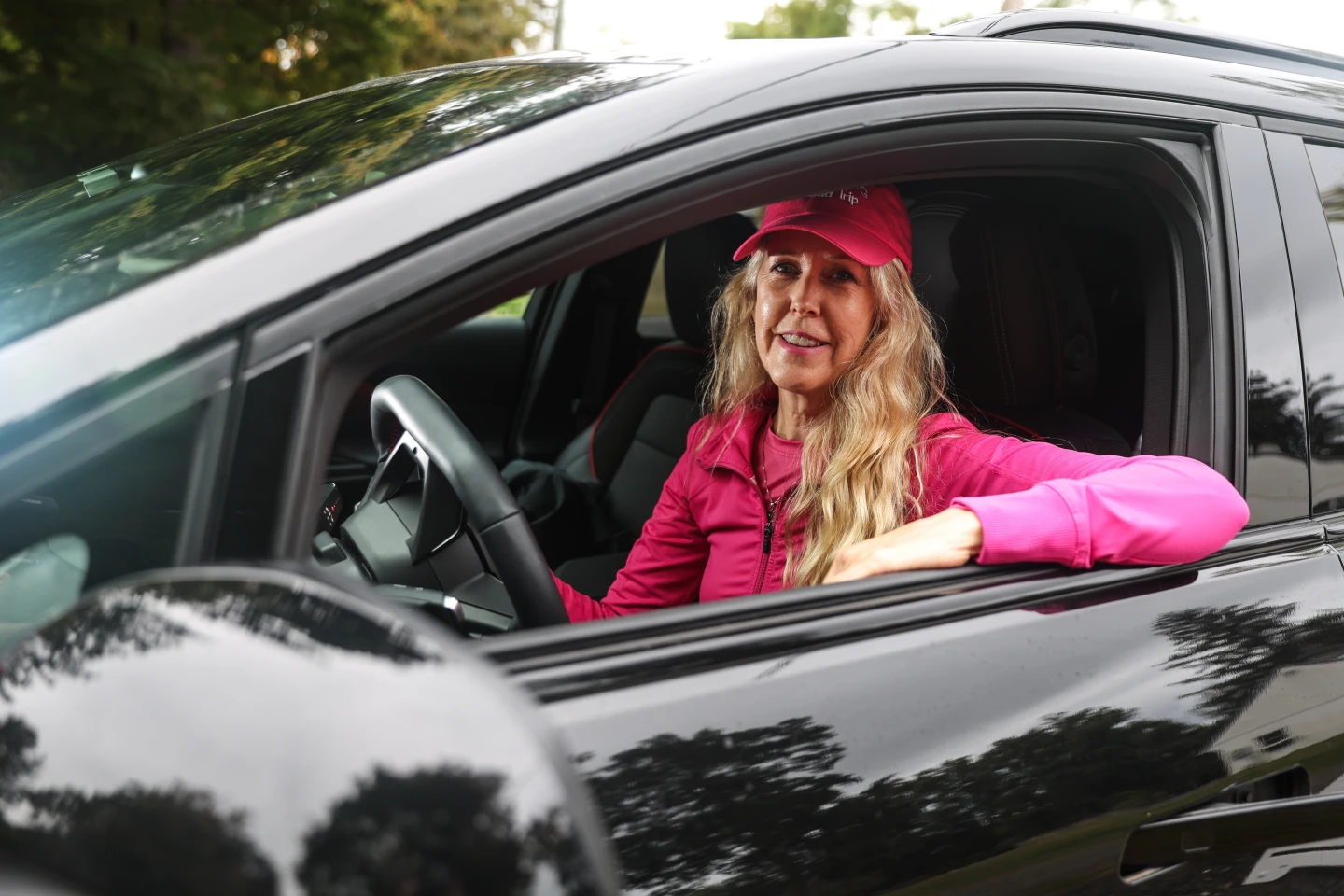
Daphne Dixon, a clean transportation advocate, has taken an annual cross-country EV road trip since 2022 to dispel myths about charging accessibility. “Range anxiety is stuck in people’s heads,” she claims, urging them to recognize the growing number of chargers. However, challenges persist in rural areas where charging stations remain sparse.
On major interstates, the percentage of distance within 10 miles of a fast charger has seen significant improvement, rising from 50% to nearly 70% on the longest highways in less than five years. Installing fast chargers is critical to supporting EV adoption, as they typically recharge cars in 20 minutes to an hour.
Challenges in Price Perception
The perception of high EV costs is still the primary reason many consumers hesitate to purchase. With federal incentives recently changing, the overall cost for buyers has increased. Polling showed that many Americans are primarily concerned with the sticker price.
Electric vehicles currently hold about 8% of the U.S. automotive market share, up from 1.9% five years ago. Yet, even though long-term ownership savings might compensate for initial higher costs, everyday Americans remain focused on upfront pricing, according to policy analysts.
As Connecticut looks to enhance its charging station availability with federal funds, the dual challenges of cost and accessibility will continue to frame the national conversation about EV adoption.
