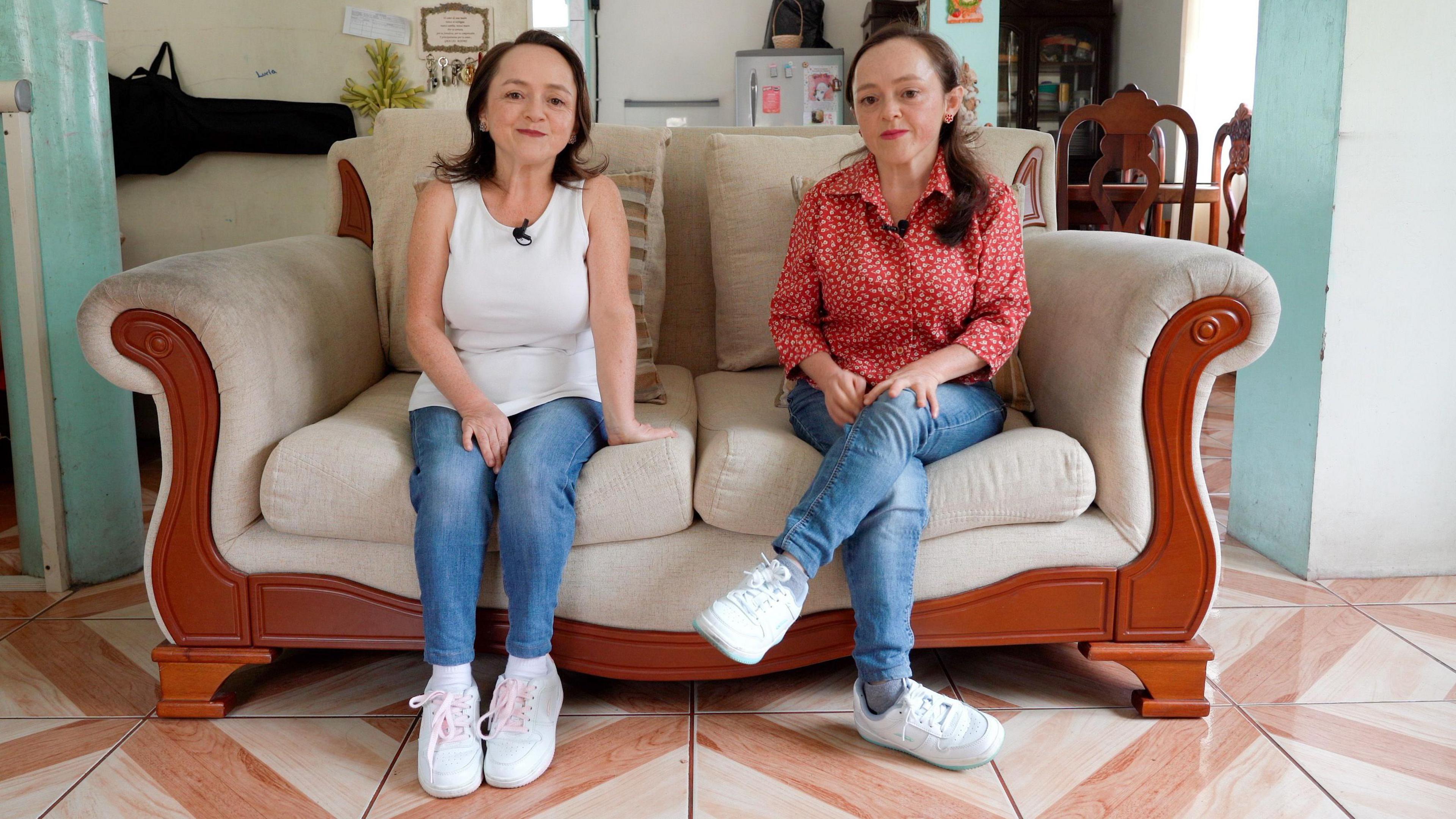
Maria Luisa and Maria del Cisne, age 40, live in Piñas, a small town in Ecuador’s Andes valley where a surprisingly high number of residents are affected by Laron syndrome—an inherited disorder that prevents growth beyond about 1.2 metres.
The twins have spoken openly about how living side by side helps them cope with the day‑to‑day challenges of a rare condition, yet researchers say their situation may hold the key to preventing serious diseases like cancer and diabetes.
Dr Jaime Guevara, a senior endocrinologist who has studied Laron syndrome for four decades, reports that among 100 patients in Ecuador and 1,600 of their taller relatives, only one non‑fatal cancer occurred. In contrast, 17% of people of normal height in the same villages had cancer, and 5% developed diabetes. The team attributes the reduced risk to a lack of Insulin‑like Growth Factor 1 (IGF‑1), a hormone that normally mediates growth signalling.
While the twins were initially optimistic that their condition made them immune to cancer, one of them was diagnosed with colon cancer two years ago. The experience reminded them that, although rare, their bodies are still vulnerable, and it prompted them to advocate for greater medical access and preventative care.
In a related vein, the rare growth disorder has led to interest in a medication called Increlex. Developed fifteen years ago, the drug can increase height when given during growth spurts, but it is expensive—over $800 per bottle—and only approved for children between two and eighteen years of age. Families in Piñas are still struggling to obtain the drug, and the twins themselves missed the therapeutic window.
Dr Guevara’s ongoing research, which includes animal studies on mice and pigs, aims to uncover the full mechanisms by which a low IGF‑1 level protects against cancer. By understanding these pathways, scientists hope to develop treatments that could mimic the protective effect for people without Laron syndrome, potentially offering a new strategy for cancer prevention.