EU demands stronger borders after Ceuta mass migration
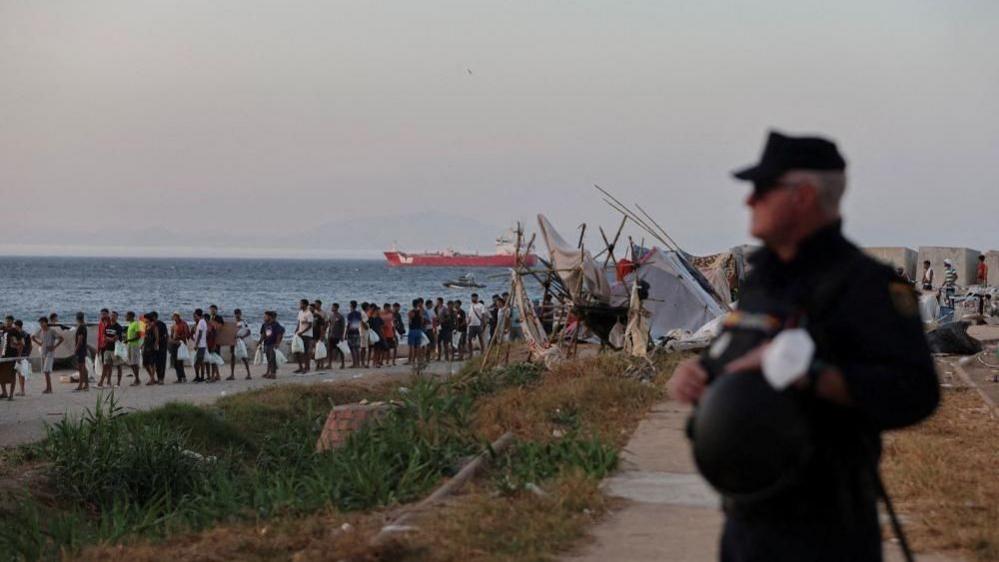
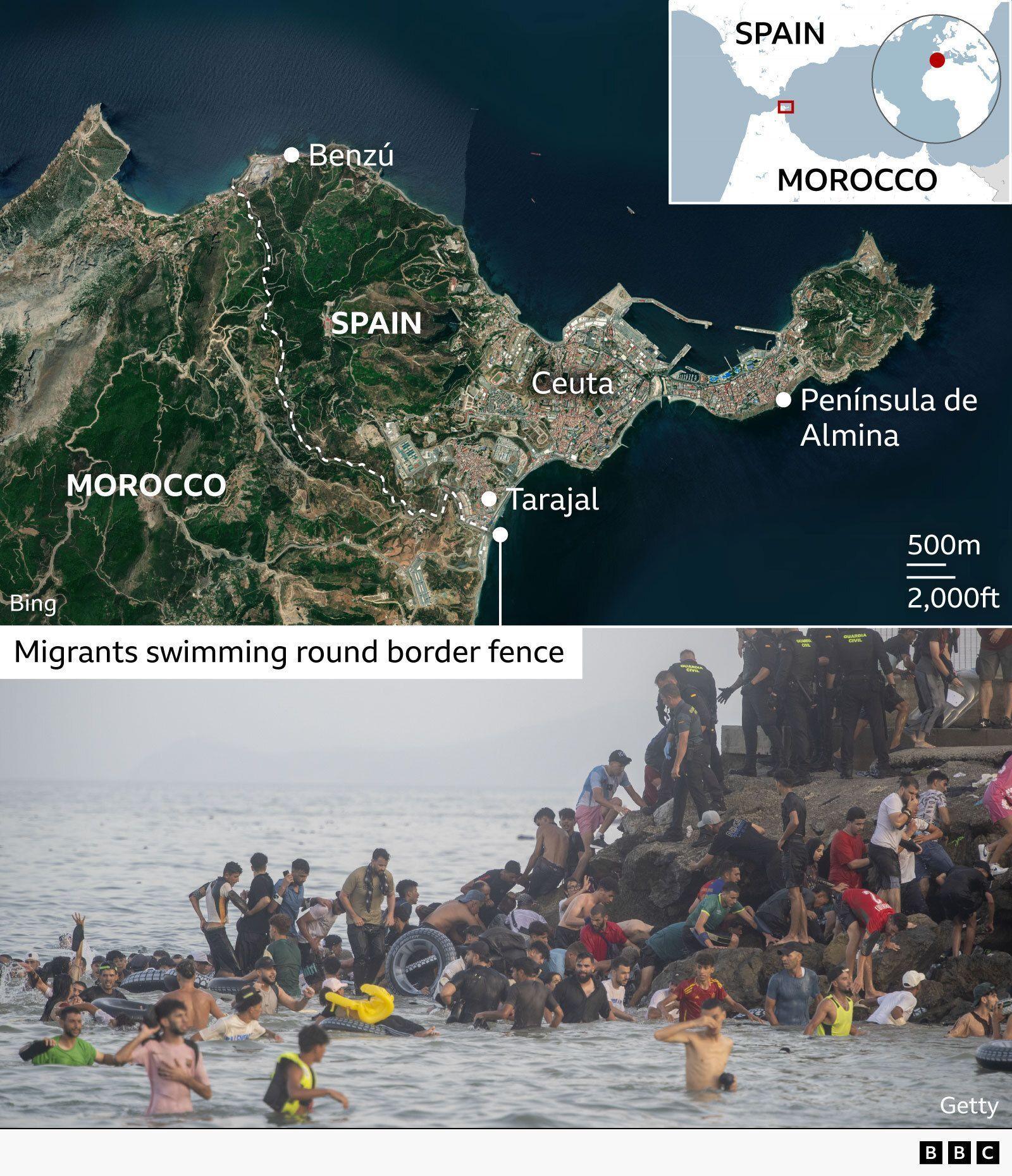
The European Commission’s president met the deadline to bring about a joined effort on border protection following an unprecedented influx of migrants over the Mediterranean into the Spanish exclave of Ceuta on 30 July.
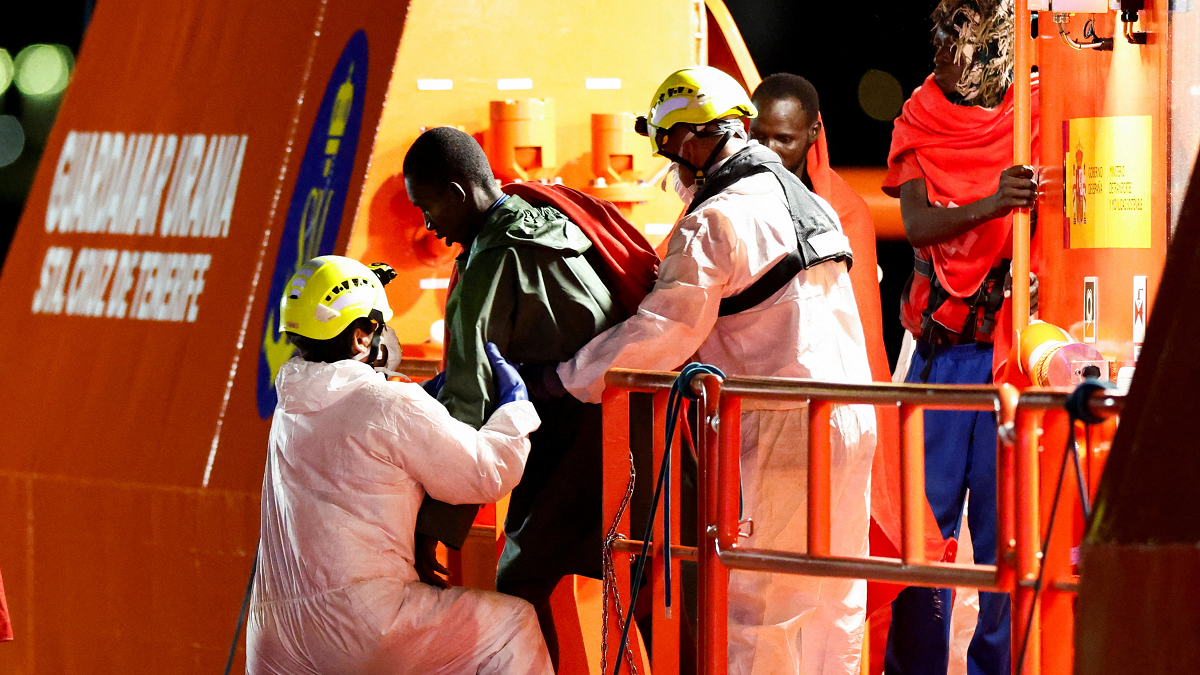
Spain now reports that roughly 69,500 people have returned to Morocco, surpassing earlier forecasts of 50,000. The death toll recorded on the Spanish side stands at 72, with 11 fatalities documented in Morocco.
On Tuesday, EU interior ministers will meet through a videoconference to discuss the gap between policy and practice. The meeting will attempt to draw what can be learned from the Ceuta episode and shape a unified strategy.
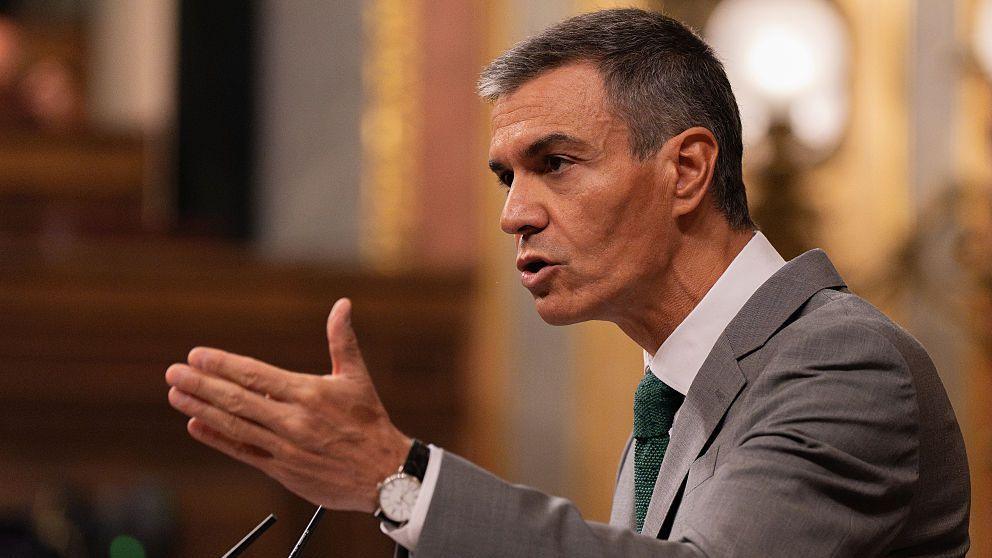
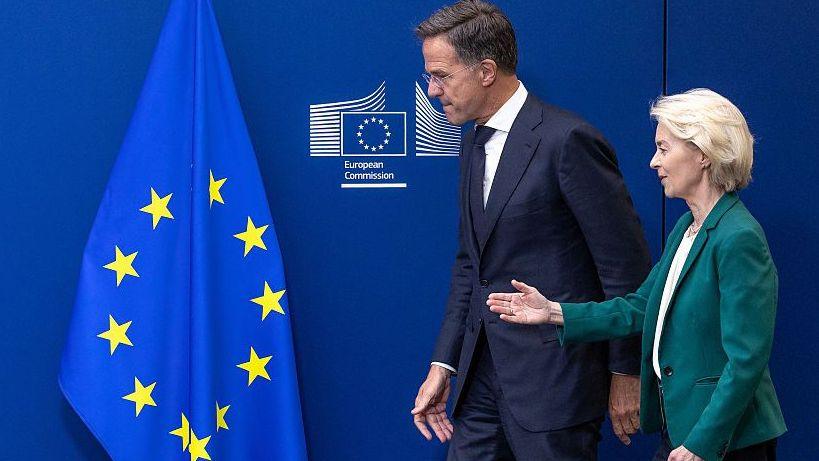
In a letter to Spanish Prime Minister Pedro Sánchez, Ursula von der Leyen praised the minister’s swift reaction but stressed that the incident illustrates the necessity for an uptick in external border protection at critical points.
Italy reacted by temporarily suspending Spain’s participation in the Schengen system, a decision that drew backing from Finland and Denmark. Czech Prime Minister Andrej Babiš also urged a pause to Spain’s Schengen involvement.
Sánchez responded by labeling criticism from other European governments as “driven by prejudice, fake news, ignorance or political interest.” He added that Ceuta is not part of the Schengen zone.
The Spanish Interior Minister, Fernando Grande-Marlaska, said Saturday that the situation was near normal, noting efforts to erect an inflatable barrier to prevent new sea‑based crossings.
Von der Leyen’s action plan revolves around five focal areas: preventing irregular migration through cooperation with partner states; reinforcing external borders with secure physical barriers; developing early warning systems; dismantling smuggling networks; and bolstering the return process.
The Ceuta crisis underscores a tension between humanitarian promises and policy enforcement. The EU’s approach will try to balance rapid border control with supporting legal pathways for legitimate asylum seekers.