
In brief
Nurse Dale Weiser has been making unannounced home visits to give the measles‑mumps‑rubella vaccine to Amish families that rarely see the medical system, vaccinating around 100 people so far. The effort is part of a broader strategy to address low vaccination rates in a secluded community that relies on horse and buggy transport and limited contacts with conventional health services. The outbreak has also reignited political debate, with some officials questioning the reported deaths and misinformation campaigns surrounding vaccine safety. Health workers say that building trust through personal visits and private settings is helping curb the spread of the virus. The situation underscores how pandemic‑era public‑health tactics—door‑to‑door outreach—can be adapted to fight measles in rural, underserved populations.
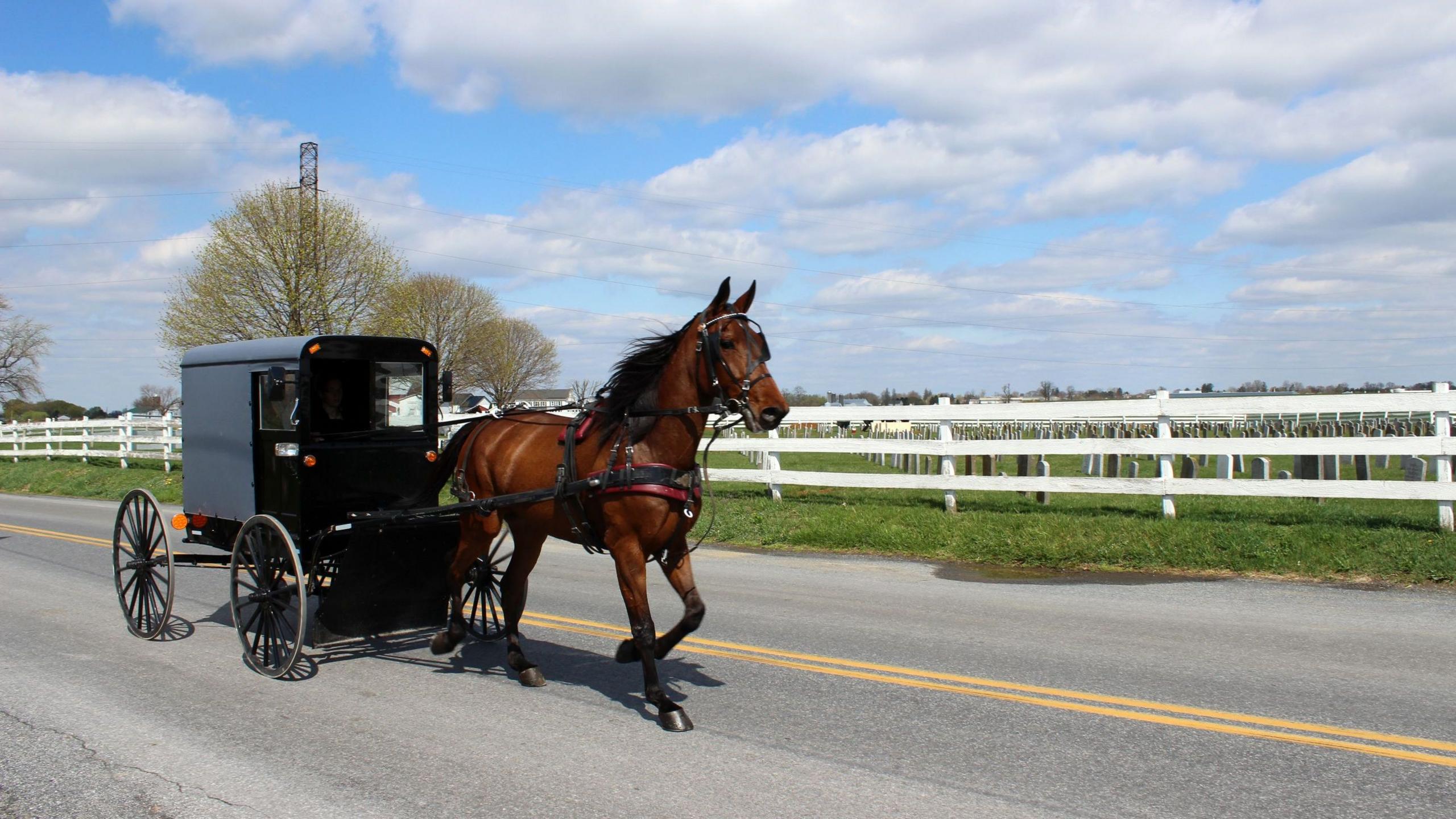
In the heart of Pennsylvania’s Amish country, nurse Dale Weiser has been making unannounced home visits to give the measles‑mumps‑rubella (MMR) vaccine to families that rarely encounter the medical system.
Weiser drives 30 miles from Chester County and sometimes goes daily to reach homes in Lancaster and the surrounding Amish‑dense areas, vaccinating dozens of relatives, often in a kitchen setting.
"A lot of people don't have health insurance and haven't seen the need for vaccines," Weiser says. "When we talk, answer questions, and build trust, many change their minds and get immunised."
State health officials report that the county has given 538 MMR shots since the outbreak began, 340 of which were administered in private settings. These boots‑on‑the‑ground tactics mirror those used during the Covid pandemic and aim to dispel misinformation that has eroded vaccination confidence nationwide.
The measles outbreak has reached its 35‑year high in the U.S., and four deaths have been recorded, the most deadly since 1992. Critics like Robert F. Kennedy Jr. have called into question the death reports, while officials like Governor Josh Shapiro denounce such claims as misinformation that fuels the outbreak.
Amish life is largely insulated from modern technology, and many community members have never been vaccinated against measles because of logistical barriers, not belief. Experts say that once the disease takes hold, it spreads swiftly because unvaccinated families live in tight-knit communities.
Despite the challenges, health officials remain hopeful. They predict that continued outreach and education will gradually protect the community as the vigilance of the pandemic era persists into the new school year, which will bring more opportunities for the highly contagious virus to spread.



