
In brief
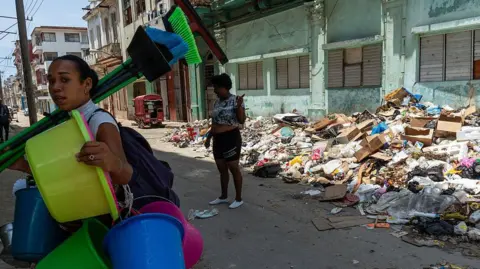
Foreign arrivals in Cuba have plunged by 58.4% in the first five months of 2026 compared with last year, according to national statistics. The Trump‑era sanctions target the tourism industry, causing airlines and hotel chains to pull out. Fuel shortages and an effective oil blockade have deepened shortages of medicine, food and utilities, and have sparked rare public protests. State‑run media report a steep decline in child cancer survival rates and rising waste piles in Havana streets. The United States has pressured companies to disengage from Cuba’s military‑run conglomerate Gaesa, calling it a “state within a state.”
Foreign visitors to Cuba have fallen to fewer than 360,000 in the first five months of 2026, a sharp 58.4 % drop from the same period last year, the national statistics agency Onei says.
The United States’s intensified sanctions are hitting the tourism sector – a pivotal source of revenue for Cuba’s embattled government. Airlines such as Air Canada have suspended flights to the island indefinitely, citing political and economic uncertainty, while hotel chains Meliá and Iberostar have halted operations at multiple properties ahead of a US‑imposed deadline requiring companies to stop doing business with Gaesa.
Gaesa, a Cuban armed‑forces controlled conglomerate, has been described by US Secretary of State Marco Rubio as a “state within a state” that hoards profits for a small elite and represses dissent.
Sanctions and an effective oil blockade have exacerbated existing shortages of fuel, medicines and food. State‑run media report a drop in survival rates for children with cancer from 85 % to 65 % and warnings of rationed communion wafers amid electricity restrictions.
Fuel shortages have stalled key industries, provoking relentless power cuts and the first notable protests in Cuba’s history, as public dissent is typically met with lengthy imprisonment.


