
In brief
Cornell President Michael Kotlikoff announced a ban on fraternity parties following a lawsuit by Jane Doe who claims she was drugged and raped at a 2024 party. In response, the university will suspend any offenders and increase support staff for survivors. Critics point to limited evidence shared with the District Attorney and a lack of decisive action by local prosecutors. The state has appointed the Attorney General to investigate, while Cornell plans to bring in national experts on sexual‑violence prevention. The move marks a significant shift in campus policy toward safety and accountability.
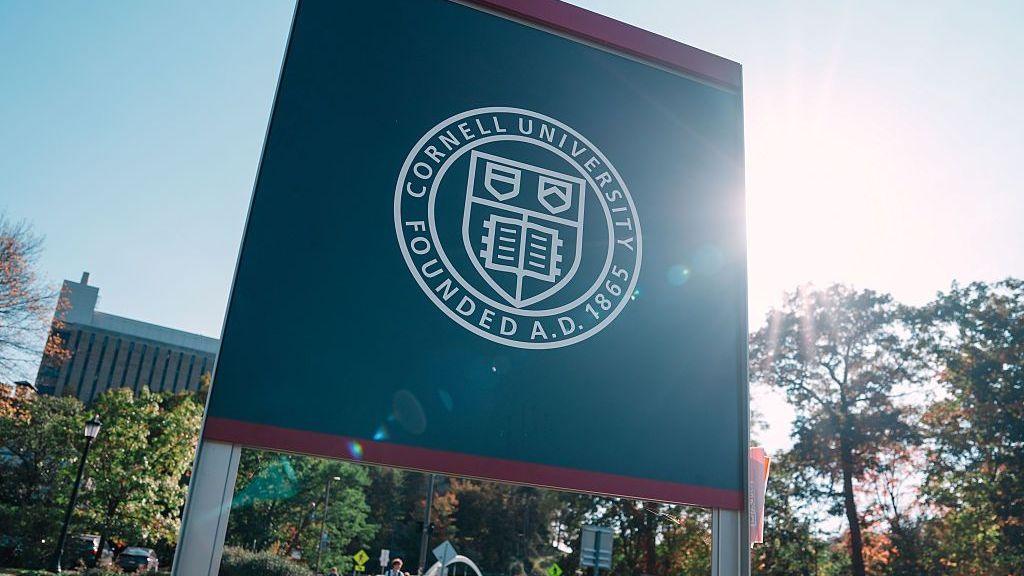
Cornell University has halted all parties at fraternity houses as a response to a lawsuit filed by Jane Doe, who claims she was drugged and raped at a 2024 frat party.
The student, who remains anonymous, alleges that several men she met at the party pushed her under the influence, resulting in a sexual assault. The lawsuit triggered criticism of the university’s handling of the case and its relationship with local law‑enforcement agencies.
In a statement released Tuesday, President Michael Kotlikoff announced the ban, saying the school would “suspend any member who violates this policy” and that the decision came after reviewing the allegations and the campus climate.
Lecturers and student groups noted that fraternities have historically been linked to binge‑drinking and hazing, raising concerns about how such environments facilitate sexual violence. The university will also increase the number of support staff dedicated to survivors, offering more confidential reporting avenues.
The New York state attorney general has ordered a statewide review led by the Office of the Attorney General, following complaints that the district attorney received only a brief statement and informal messages from the parties involved. State officials say this limited documentation undermines the pursuit of justice.
Faculty and student advocates say the policy is a step toward a more comprehensive approach to Title IX compliance. The president added that the university will engage national experts in sexual‑violence prevention to develop strategies for “responsible sexual citizenship.”
The ban is expected to remain in force for the remainder of the academic year, until further policy reviews are completed.


