
In brief
The UK’s decision to place British Steel under government control has drawn sharp criticism from China, which says the move infringes on its shareholder rights and undermines confidence in UK investment. The British government argues that nationalisation protects a vital national capability and stabilises jobs, citing the loss-making plant’s daily costs. With a new prime minister set to take office, Britain faces a dilemma: manage domestic industrial strategy while maintaining economic ties with the world’s second‑largest economy. The National Audit Office estimates the plant has been a financial burden, prompting questions about the long‑term viability of state ownership.
China’s commerce ministry issued a statement condemning the British government’s decision to nationalise British Steel, saying it "firmly opposes and is strongly dissatisfied" with the action. The ministry claims the nationalisation infringes on the legitimate rights of Jade‑Zhen Group, the company’s Chinese owner, and undermines confidence in Chinese investments in the United Kingdom.
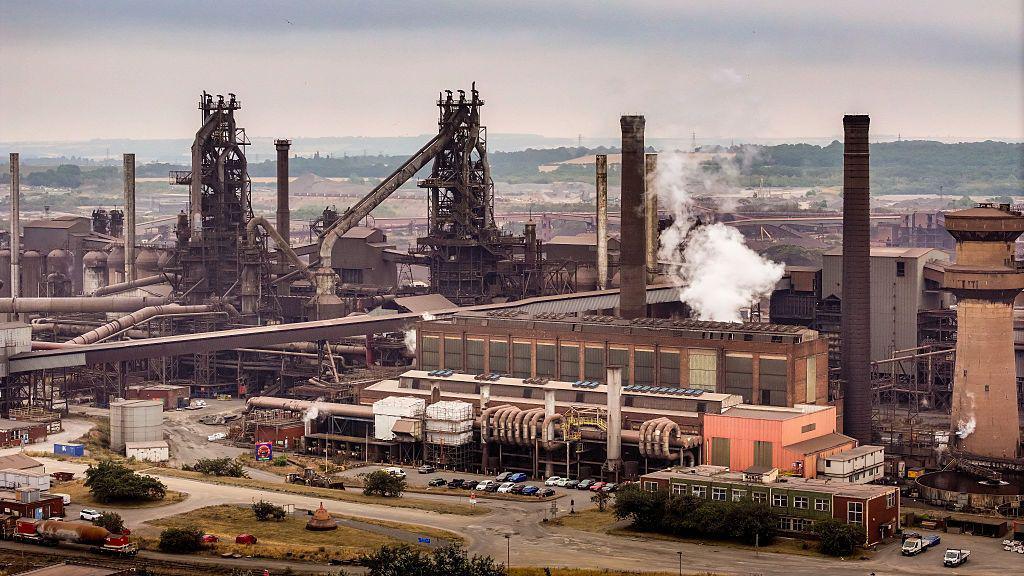
The UK government, on the other hand, said that bringing the loss‑making firm into public hands would protect around 1,000 jobs and safeguard a vital national capability. Officials pointed to a public interest test that Parliament passed, allowing state ownership to avert a potential collapse of the steelworks near Scunthorpe, which now costs the Treasury roughly £1.3 million a day.
Jade‑Zhen Group has reportedly been losing about £700,000 a day before the takeover and is seeking compensation. The company has not yet responded to the announcement, leaving its exact posture uncertain.
Politically, the move comes at a sensitive time. Andy Burnham is set to become prime minister on Monday, and he will need to balance the UK’s industrial and national security interests against the economic benefits of maintaining strong trade ties with China, the world’s second‑largest economy.
While the British government will control the plant’s operations, it appears unlikely that it will run the business long‑term given its daily loss exceeding one million pounds. Nonetheless, the nationalisation preserves the blast furnaces and the existing workforce, potentially preventing a total shutdown while negotiations over compensation continue.

