In brief
NASA's Artemis II mission is on its way to the Moon, but not without facing a series of last-minute technical difficulties. Issues with the spacecraft's toilet and safety systems threatened to delay the launch. However, NASA's rapid troubleshooting ensured the mission proceeded as planned. Now in Earth's orbit, the crew performs critical tests to confirm the spacecraft's readiness for the journey ahead. This article explores the full spectrum of challenges encountered during the mission and the solutions employed to overcome them.
Nasa's Artemis II mission, focusing on lunar exploration, faced significant hurdles in the final hours leading up to its launch. A troubling sequence of technical malfunctions, notably involving the spacecraft's toilet system and critical safety protocols, nearly grounded the launch.
A faulty waste-management system and operational difficulties with two safety mechanisms were flagged over communications. Thankfully, the vigilant response from the Nasa team ensured these issues could be addressed promptly.
Quick thinking allowed us to avoid delays, an official noted, praising the team's rapid troubleshooting efforts. With these urgent challenges resolved, the Artemis II crew embarked on their journey, setting their course towards the Moon from within the Earth's orbit.
'Toilet is go'
Among the issues faced, the spacecraft's toilet system presented unique challenges. Sensors indicated unexpected readings that compelled the crew, including astronaut Christina Koch, to step in and assist with troubleshooting under mission control’s guidance.
The successful resolution was celebrated over the radio, buoyed by mission control’s declaration: Happy to report that toilet is go for use. Managing waste in a zero-gravity environment has garnered substantial investment, with Nasa dedicating over $23 million to develop a comprehensive waste management strategy that accommodates both male and female astronauts.
Issues with Safety Systems
Additionally, issues were reported with two crucial safety systems designed to ensure the protection of the crew: the flight termination system and the launch abort system. The former, which allows engineers to destroy the rocket if it goes awry, encountered a communication glitch that was swiftly remedied using hardware from the previous Space Shuttle program.
On the other hand, the launch abort system, intended to eject the crew capsule in emergencies, reported a higher-than-anticipated temperature reading, yet was deemed safe for the mission.
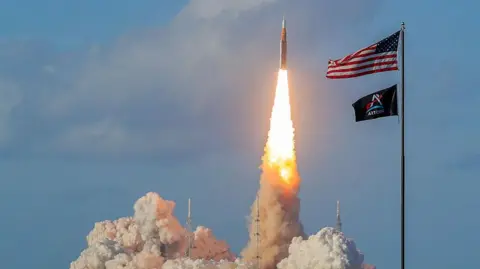
After overcoming these mechanical hurdles, the countdown proceeded with the final checks completed, and the exhilarating moment arrived: Artemis II, this is Launch Director – you are go for launch, came the confirmation, eliciting cheers and a worm of anticipation from those present.
Pushing the Limits in Space
As Artemis II successfully transitions into Earth’s orbit, the crew engages in extensive tests to validate the spacecraft's operational integrity. This rigorous assessment aims to determine whether the craft is equipped to handle a journey stretching hundreds of thousands of kilometers away from home with no immediate route back.
In conclusion, while the Artemis II mission showcased the dedication and resilience of the Nasa team, the journey ahead holds countless challenges, reminding us that space exploration is as unpredictable as it is wondrous.