Canadian Boy, 11, Dies of Rabies After Bat Bites Face
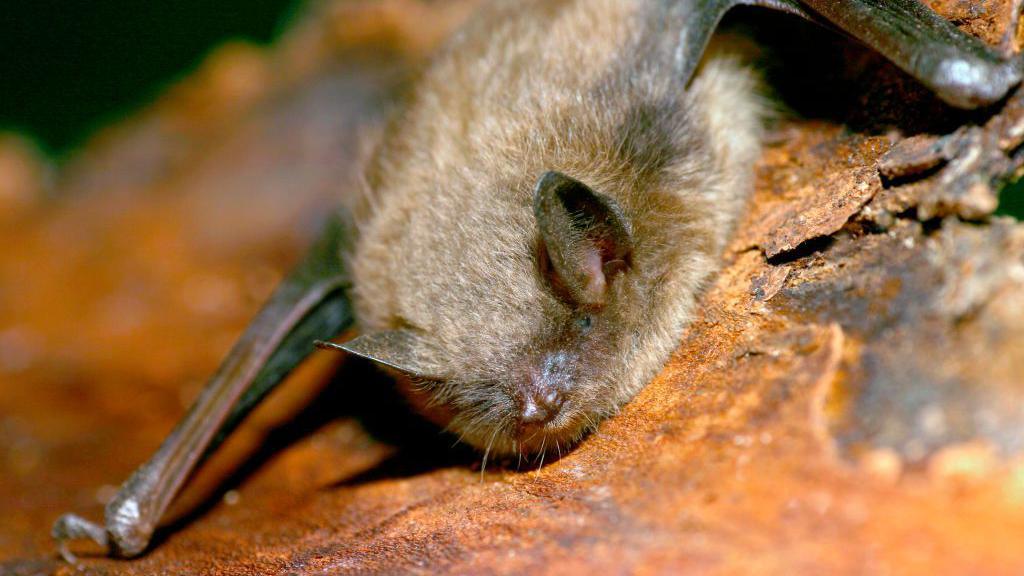
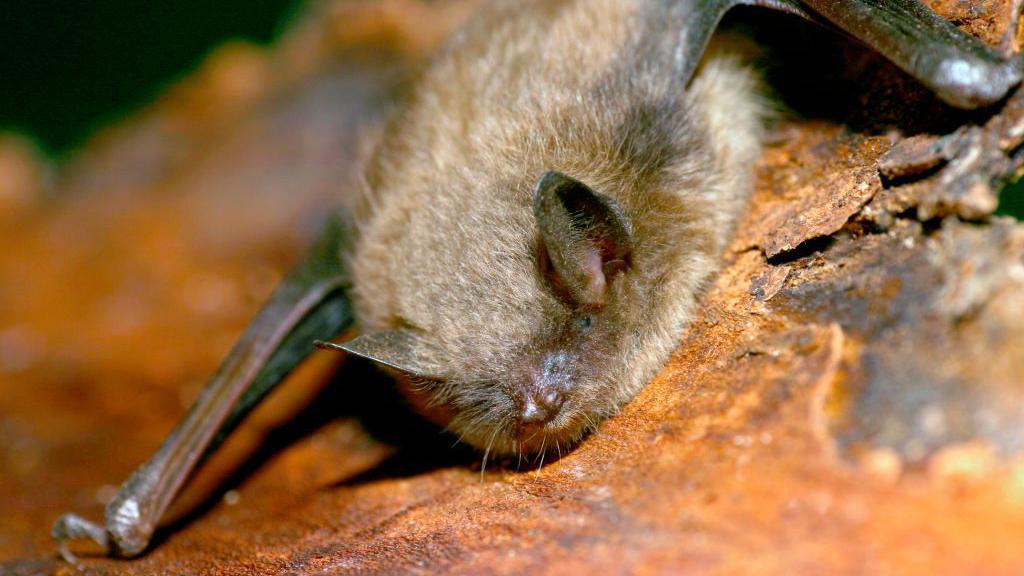
An 11‑year‑old Canadian boy died from rabies after a bat landed on his nose and mouth during a family stay at a cottage in Ontario, according to a report published in the Canadian Medical Association Journal (CMAJ) this week.
The child, who was not named in the report, swatted the bat off his face, after which his father captured it in a pot and released it outdoors. The family did not seek urgent medical care because the child showed no visible injury, and the incident was perceived as a minor animal encounter.
Only 19 days later, the boy began to experience numbness and swelling on his face. He was taken to an emergency clinic and later to a hospital, where doctors initially treated him for what they thought might be Bell’s palsy or herpes gingivostomatitis. The boy’s condition rapidly worsened the following day, leading to a fever, difficulty swallowing, confusion and visual hallucinations.
He was intubated and admitted to the paediatric intensive care unit. The physicians at the University of Manitoba’s Department of Pediatrics and Child Health strongly suspected rabies, confirming the diagnosis with a laboratory test. A subsequent analysis by the Canadian Food Inspection Agency identified a bat rabies virus variant.
He died 17 days after hospital admission. The incident is especially notable given that rabies is a rare disease in Canada; since 1924, there have been only 28 human deaths in the country.
The Canadian Veterinary Medical Association noted that the low incidence of rabies is largely due to ongoing vaccination programs for wildlife and domestic animals. They warned that discontinuation of these programs could lead to a resurgence of the disease.
The report highlighted that any direct human contact with a bat constitutes a potential exposure that requires immediate post‑exposure prophylaxis (PEP). The medical literature confirms that rabies becomes almost invariably fatal once clinical symptoms appear.