
In brief
Following the violent aftermath of Tanzania's October presidential election, which was marred by allegations of extrajudicial killings and government repression, Western countries are urging the Tanzanian government to release the bodies of those killed and to uphold human rights commitments. Despite the government's denial of such violations, local and international scrutiny continues to rise amid increasing concerns over political imprisonments and crackdowns on dissent.
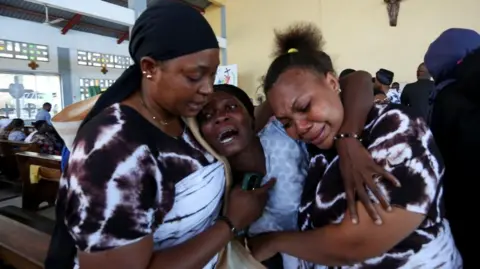
Western embassies in Tanzania, including those from the UK and France, are calling for the release of bodies belonging to individuals killed during the electoral violence following the October elections. They claim there are credible reports of extrajudicial killings, arbitrary arrests, and concealment of bodies by Tanzanian authorities.
Tanzania's authorities have yet to respond, but the admonishment follows President Samia Suluhu Hassan's recent remarks accusing Western nations of interference in her country's internal affairs.
Documents cite a heavy-handed crackdown on protests that erupted after President Suluhu was declared winner with 98% of the vote, a contest criticized by opposition figures as a mockery of democracy. The government has not released official death tolls, though reports suggest hundreds were killed amidst the unrest.
The external coalition's statement emphasizes the need for accountability, calling for independent investigations into the events, alongside the immediate release of all deceased bodies to their families. This has been paired with a broader demand for the cessation of political repression and the release of political prisoners.
The UN's human rights office has raised alarms as well, with reports of dozens of detentions of academics and civil society activists since the elections. As human rights concerns mount, Western governments are reassessing their relationship with Tanzania, emphasizing the importance of protecting freedoms and rights.
President Suluhu, who came into power in 2021, has defended her administration's actions as necessary for maintaining stability and has pledged to tackle any forthcoming protests with similar vigor. She continues to highlight claims of foreign collusion with local opposition as a justification for her government's strict measures against dissent.


