
In brief
Amid Kerala's vibrant festival season, the state is facing a health crisis as infections from the brain-eating amoeba, Naegleria fowleri, surge. This year, cases have spiked, leading to 19 deaths, as traditional water sources become breeding grounds for the pathogen. Authorities are implementing chlorination campaigns and raising awareness to mitigate risks. Climate change and rising temperatures are compounding the threat, highlighting a broader environmental health challenge.
As Onam, one of Kerala's most celebrated festivals, approaches, concerns mount over an unexpected health crisis. A 45-year-old woman, Sobhana, succumbed to Naegleria fowleri, a virulent brain-eating amoeba, marking a tragic case amidst festive cheer. Just a few days prior, her condition was thought to be a mere case of dizziness. Symptoms escalated quickly, leading to her death on the main day of the festival, September 5.
This year alone, Kerala has reported over 70 cases of this rare infection, with 19 fatalities. Victims range in age, reminding the public of the pathogen's indiscriminate nature.
The disparities in response and treatment between Kerala and global trends in Naegleria fowleri infections reveal a unique public health landscape. Historically, cases were diagnosed rarely, underscoring the surprise and fear this disease injects into communities. According to a recent study, the overwhelming majority of infections result in death, emphasizing the severity of this single-celled organism.
Kerala's response has shifted from a historically passive acknowledgment of the amoeba, which primarily thrives in warm freshwater, to an aggressive approach to early detection and treatment, with a focus on improving survival rates.
This year’s rise in infections correlates with better diagnostic capabilities, demonstrating how advances in medical and public health infrastructure are crucial in combating rare but deadly pathogens. Early detection, which allows for timely treatment with antimicrobial cocktails, is credited with reducing the death rate as cases increase.
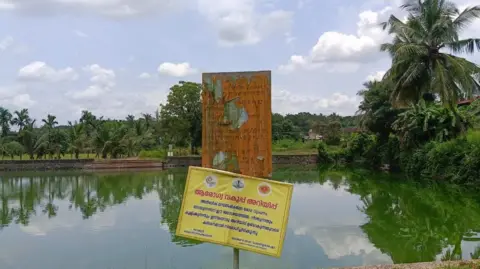
Local officials are also battling the additional challenges posed by widespread water pollution, which exacerbates the threat linked to the amoeba’s habitat. With approximately 5.5 million wells and numerous ponds serving as essential water sources for the population, managing these environments against contamination is paramount to reducing risk.
The state has undertaken large-scale chlorination efforts of over 2.7 million wells and initiated public awareness campaigns urging careful management of water sources. However, complexities arise when considering the feasibility of enforcing such measures in every village across Kerala's expansive territory.
The looming specter of climate change places additional urgency on these health issues, as warmer temperatures foster ideal conditions for Naegleria fowleri's proliferation. Local public health responses must adapt to both immediate public health threats while also considering long-term strategies to mitigate these risks among growing environmental challenges.
With communication efforts emphasizing education over fear, public understanding of infection risks from untreated freshwater is critical. As scientists warn that the very definition of rare diseases may evolve, Kerala stands at the intersection of climate impact and infectious disease challenges, a scenario that might set a precedent for future public health initiatives.

