
In brief
As the situation in Gaza escalates, the United States has ramped up pressure on Israel to facilitate humani...
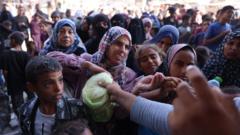
Israeli authorities are facing increasing scrutiny from the US regarding their handling of humanitarian aid in Gaza. The US ambassador to the United Nations, Linda Thomas-Greenfield, has stated that Israel must address the worsening humanitarian crisis or risk cuts to American military support. The Biden administration has set a deadline of November 12 for Israel to ensure a significant increase in aid deliveries, stating that a minimum of 350 trucks must enter Gaza each day.However, the reality on the ground paints a grim picture. Despite the US's demands, reports indicate that only a fraction of the required assistance is reaching the affected population, with only about 10% of the necessary aid trucks crossing the borders. The UN's Middle East envoy, Tor Wennesland, highlighted the dire state of affairs, revealing that the northern part of Gaza has received almost no aid since the onset of Israeli military operations against Hamas fighters.Israel’s ambassador to the UN, Danny Danon, contended that the nation is doing its utmost to fulfill its humanitarian obligations, countering claims of a blockade. He attributed the delays to Hamas, which he accused of misappropriating essential supplies meant for civilians. This assertion comes amidst growing international concern regarding the ban Israel recently enacted against the UN agency for Palestinian refugees (UNRWA), which has been critical in delivering humanitarian aid to Gaza.The Biden administration's pressure is compounded by allegations that without a swift response from Israel, military aid could be cut off under US laws forbidding assistance to countries hindering humanitarian efforts. These laws specify that Israel must facilitate a minimum number of trucks daily, along with measures to prevent the isolation of northern Gaza, which has faced significant military operations.In the wake of these tensions, discussions have emerged about the future of UNRWA, as US officials expressed alarm over new legislation prohibiting the agency's operations within Israel and in annexed East Jerusalem. Proponents of UNRWA argue that it remains essential for delivering vital aid amidst the current crisis, while Israeli officials have labeled the agency as a front for terrorism.As the deadline looms, it remains to be seen how Israel will navigate these pressures while also addressing the acute humanitarian issues in Gaza, particularly with winter approaching. Enhanced collaboration between Israel and humanitarian actors will be crucial in alleviating the suffering of civilians caught in the crossfire of the ongoing conflict.
