In brief
Italian divers have found a Roman cargo shipwreck off Sicily, with an impressive cache of amphorae that once carried wine and olive oil. The wreck lies 46 metres (150 ft) below the sea, measuring 21 m (69 ft) in length. Carabinieri specialists are conducting a careful investigation to preserve the vessel while historians study its cargo and construction. The find underscores the rich maritime history of the Mediterranean and adds to the continent’s growing catalogue of ancient sea archeological sites.
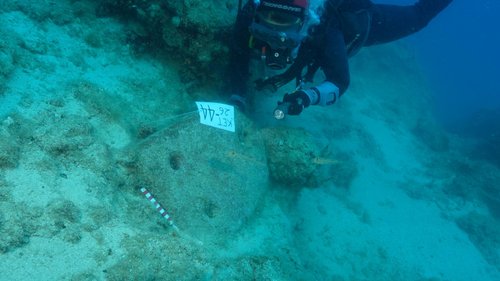
Italian divers have discovered an ancient Roman shipwreck off the coast of Sicily, believed to be more than 2,000 years old. The vessel was found piled high with hundreds of well‑preserved containers—amphorae—used to transport goods such as wine and olive oil.
Italy’s Culture Minister Alessandro Giuli hailed the wreck as “one of the most important underwater archaeological discoveries of recent years.” The wreck’s location was revealed by fishermen, who reported a large rock that turned out to be the ship’s remains.
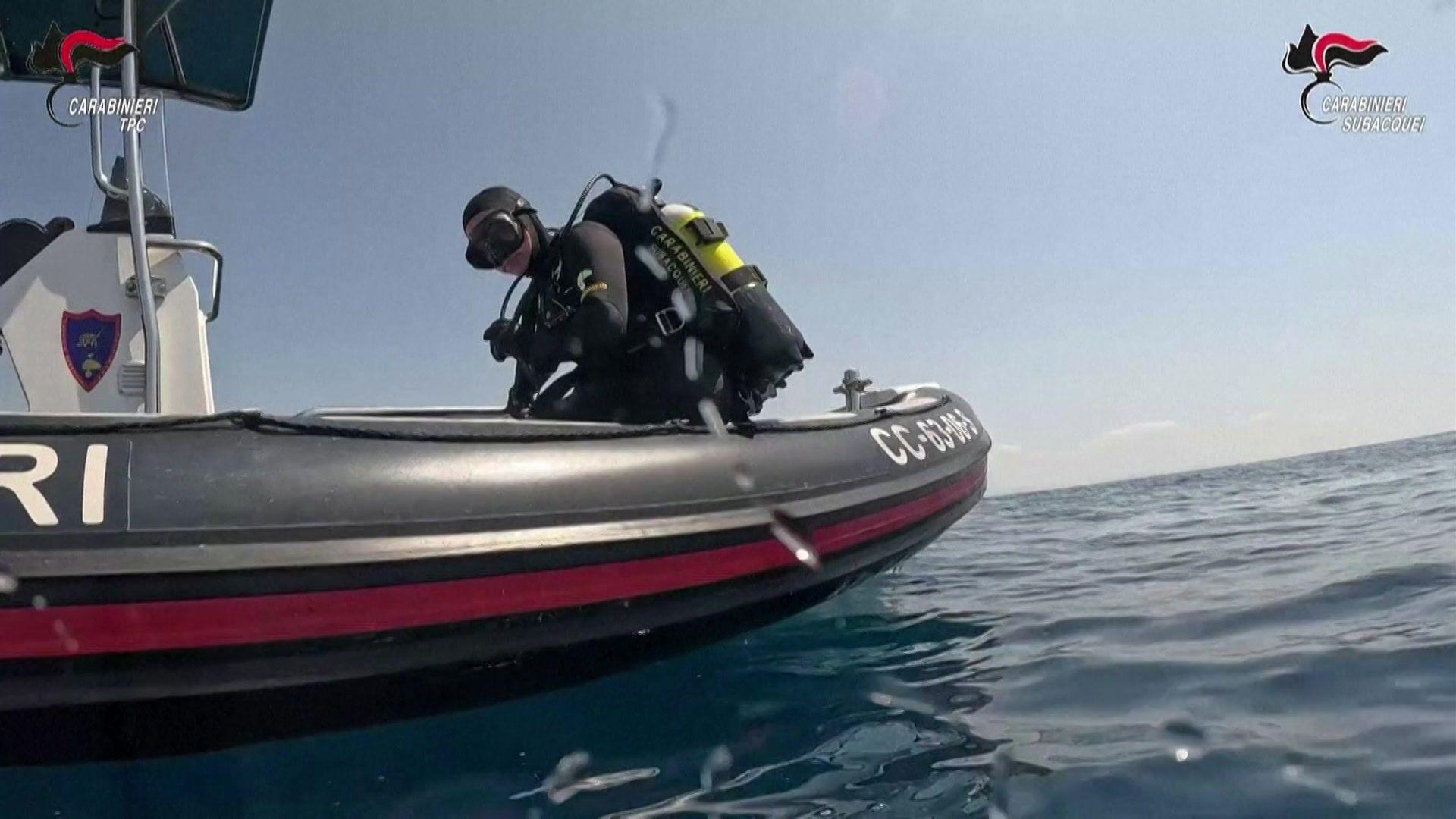
Specialist police divers from Italy’s Carabinieri Art Squad were dispatched to the site. The ship sits at a depth of around 46 metres (150 feet), with a length of 21 metres (69 feet) and a width of 6 metres (20 feet).
The culture ministry states the cargo ship dates to the 2nd or 1st century BC. The scattered amphorae are mostly filled with wine, oil, or grain, reflecting the trade routes of the Roman Empire.
Fisherman Giacomo De Mola, who first spotted the wreck while surveying the seabed near Mazara del Vallo, posted a video showing marine life—including eels, snappers, and other fish—thriving among the ancient jars. De Mola described the experience as “the most incredible discovery of my life” and highlighted how the find connects modern observers to their historical roots.
Carabinieri specialists are implementing safety measures to protect the wreck as it undergoes a detailed investigation. Similar 1st‑ or 2nd‑century BC vessels have been found elsewhere in the Mediterranean, emphasizing the region’s rich maritime heritage.