
In brief
Over 1,000 children in Indonesia have reportedly suffered from food poisoning linked to the government's free school lunch initiative, a project valued at $28 billion aimed at providing nutritious meals to 80 million students. Authorities attribute the mass poisoning to negligent food preparation, leading to calls for a reevaluation of the program. Despite these incidents, the government has no immediate plans to halt the initiative, prompting criticism from health organizations.
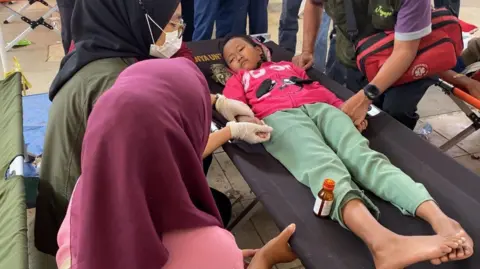
More than 1,000 children have fallen ill from free school lunches in Indonesia this week, according to authorities – the latest in a string of mass food poisoning events linked to President Prabowo Subianto's multi-billion-dollar nutritious meals programme.Yuyun Sarihotima, head of West Java's Cipongkor Community Health Center, told BBC Indonesia that the total number of poisoning victims recorded between Monday and Wednesday had reached 1,171. It follows the poisoning of 800 students last week in West Java and Central Sulawesi provinces.President Prabowo has made the nutritious meals programme – which aims to offer free lunches to 80 million school children – a signature of his leadership. However, the spate of mass food poisoning incidents has led non-governmental organisations to call for authorities to suspend the programme due to health concerns. Muhaimin Iskandar, Coordinating Minister for Community Empowerment, stated there are no plans to stop it.Victims of the recent outbreaks complained of stomach aches, dizziness, and nausea – as well as shortness of breath, which is a non-typical symptom of food poisoning. Previous cases of food poisoning stemming from the free lunch programme have cited negligent food preparation as a suspected cause.Cipongkor is where the first suspected case of this week's mass poisoning occurred on Monday, with the number of victims quickly increasing to some 475 students. By Wednesday, another mass poisoning in Cipongkor saw as many as 500 students fall ill. The National Narcotics Agency reported that from January to 22 September, there were 4,711 cases of free school lunch poisoning, primarily occurring on the island of Java.Experts have warned that the colossal cost of the free meals program could also lead to concerns about corruption among officials. Given the sheer size of the budget, many are calling for thorough evaluations and potential modifications to ensure the safety and nutrition of the country's schoolchildren.



