In brief
Following the assassination of Charlie Kirk, some Christian leaders and adherents claim an uptick in church attendance, especially among youth. While some see this as a chance for a spiritual revival, others caution against drawing conclusions from anecdotal evidence, pointing to past instances where such spikes in attendance quickly faded. Figures like Vice President JD Vance and Cardinal Timothy Dolan compare Kirk to martyrs, while critics warn of the divisive rhetoric associated with his legacy that may overshadow any potential positive spiritual impact.
In the wake of Charlie Kirk's assassination on September 10, prominent figures, including Vice President JD Vance, have lauded him as a martyr for Christianity. Kirk's supporters believe this tragedy could mobilize a new wave of engagement, particularly among young conservatives, within evangelical and Catholic churches.
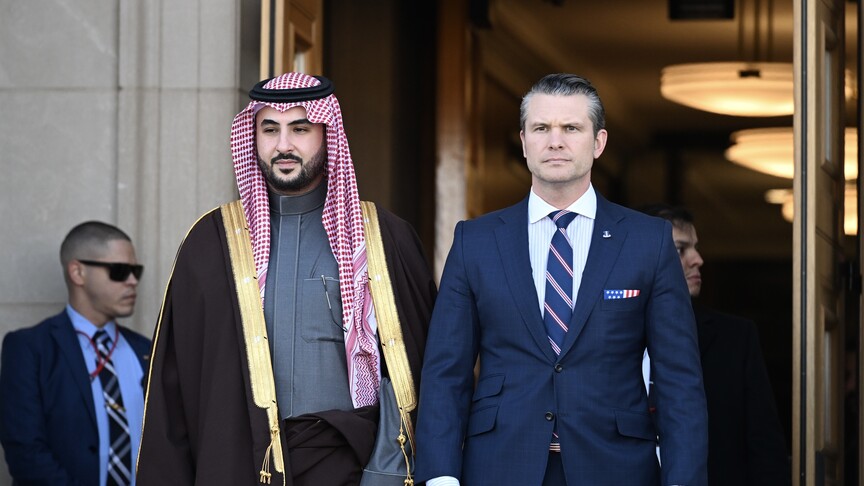
The memorial service held for Kirk illustrated this sentiment, akin to a megachurch gathering, prompting reports of increased attendance at various evangelical congregations. Defense Secretary Pete Hegseth remarked that Kirk's death has ignited not only a political movement but also a spiritual revival.
Rev. Robert Jeffress expressed profound emotions following Kirk’s death, comparing them to the national grief following the September 11 attacks and President Kennedy's assassination. Observers note that while the immediate emotional responses are palpable, history suggests that such surges in church attendance following civic trauma are typically temporary.
Revival or Temporary Surge?
Political scientist Ryan Burge warns that a sustained revival amidst such sorrow is rare. Historical precedents show that brief spikes in church attendance generally do not translate into long-term changes. Kirk’s legacy, while inspiring many, raises the important question of whether current trends will result in substantial alterations to religious engagement in American society.
Emerging Engagement Trends
Some conservative congregations report newfound attendance, with leaders like Gina Gleason from Calvary Chapel Chino Hills noticing a surge of returning attendees. Mark Francey from Oceans Church claimed a significant spike of up to 30% following Kirk’s assassination, attributing it to a common human response to tragedy.
Reports have emerged of individuals returning to church after years, with many sharing testimonies that reflect Kirk’s inspirational influence. 'If you want to honor Charlie ... go back to church,' emphasized Andrew Kolvet from 'The Charlie Kirk Show' in a post-assassination interview.
Community Response and Caution
As this narrative unfolds, leaders from various religious denominations are responding with caution. The founder of an evangelism ministry noted an increase in worship attendance attributed to Kirk’s death. However, analysts and critics like Cardinal Timothy Dolan voice a more complex perspective regarding Kirk’s legacy, acknowledging the divisive rhetoric he was associated with. Skepticism remains as to whether any notable increase in attendance signifies a genuine spiritual revival or merely a brief engagement in the face of collective grief.
As different factions grapple with the repercussions of this sentiment, the dialogue surrounding Charlie Kirk remains a contentious intersection of faith, politics, and community engagement. Whether this moment will evolve into a lasting transformation within American Christianity or fade away like past instances remains to be seen, prompting the necessity for deeper analysis amidst emotional reactions.