
In brief
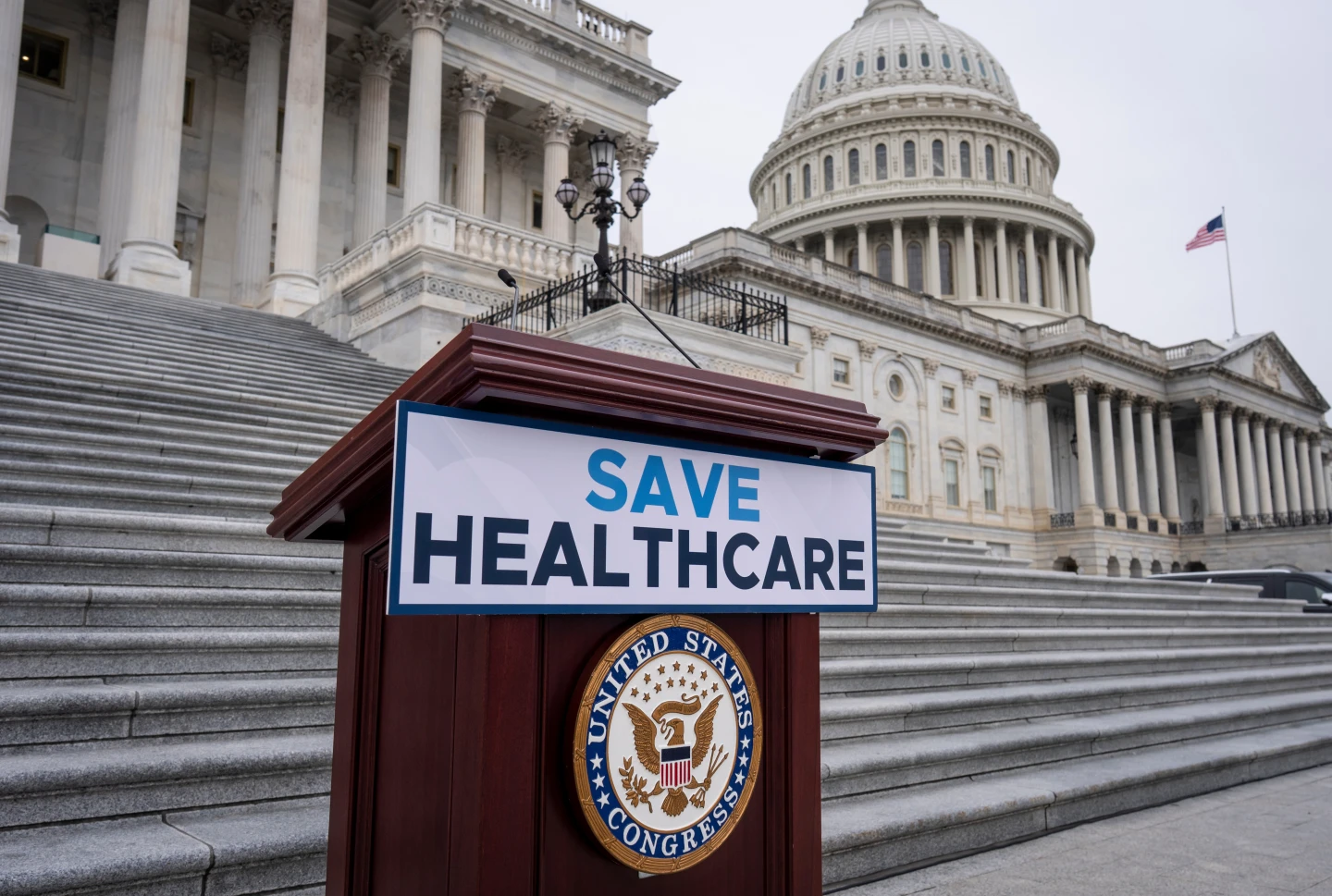
The U.S. government has entered a shutdown due to a failure to reach a consensus between Democrats and Republicans over funding priorities. At the heart of the debate is the extension of health care subsidies introduced during the COVID-19 pandemic, which millions rely on. Democrats are urging immediate negotiations to protect these benefits, whereas Republicans insist discussions on health care can wait until the government is funded. The outcome could significantly impact health insurance costs for millions of Americans.
WASHINGTON (AP) — The U.S. government shut down Wednesday, with Democratic lawmakers insisting that any deal address their health care demands and Republicans saying those negotiations can happen after the government is funded.
Key among the concerns are tax credits vital for making health insurance accessible for millions since the pandemic. If Congress does not act to extend these subsidies by year’s end, many will face premium hikes averaging 114%, costing an additional $1,016 according to an analysis by KFF.
Democrats are determined to ensure the continuation of these subsidies, which were firstly enacted in 2021 and subsequently extended. They are also fighting to reverse damages from the recent mega-bill affecting Medicaid, which is facing budget cuts primarily attributed to new welfare work requirements.
Some Republican members have shown a willingness to negotiate on extending the tax credits, yet they emphasize that the immediate priority should be funding the government first. They assert that health care discussions would take considerable time, and maintaining government operations trumps other concerns.
As the shutdown continues, both parties are grappling with the implications of their stances and the impact it will have on health coverage for millions of Americans.
