
In brief
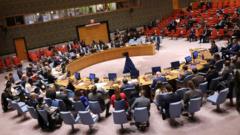
In a recent vote, 14 out of 15 members of the Security Council supported a resolution demanding an immediate and unconditional ceasefire in Gaza and the release of remaining hostages. However, the U.S. Deputy Ambassador to the UN, Robert Wood, argued that the resolution inadequately linked the ceasefire to hostage releases and warned it could send a harmful message to Hamas. The resolution also aimed to address the dire humanitarian situation in northern Gaza, where reports indicate that aid has been virtually nonexistent for 40 days and famine is a growing threat.
Following the veto, reactions from various international representatives were swift. China's ambassador questioned the value placed on Palestinian lives, while France criticized the disregard for international humanitarian law. The UK aimed to emphasize the need to end the suffering in Gaza and secure the release of hostages. Outside of the Council, Human Rights Watch condemned the U.S. for facilitating Israeli actions that have reportedly resulted in significant civilian casualties in Gaza, claiming that over 43,920 people have died since the violence escalated after Hamas's initial attacks, which resulted in significant casualties and hostage-taking in Israel.In light of these ongoing geopolitical tensions, questions about the role and efficacy of international interventions are increasingly at the forefront of global discussions about the situation in Gaza.
