In brief
A team of international researchers recovered intact red blood cells and hemoglobin‑derived molecules from the limb bones of a 115‑million‑year‑old dinosaur in northeastern Brazil. Published in the Proceedings of the National Academy of Sciences, the study shows that mineralization and rapid burial enabled exceptional preservation. The discovery opens new avenues for studying ancient blood evolution and the potential survival of biomolecules over deep time.
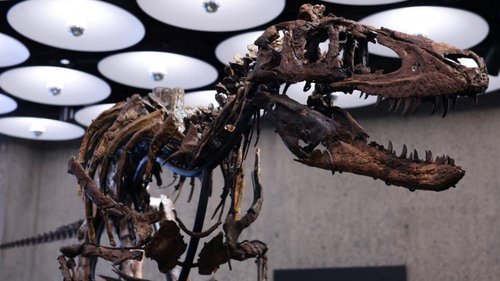
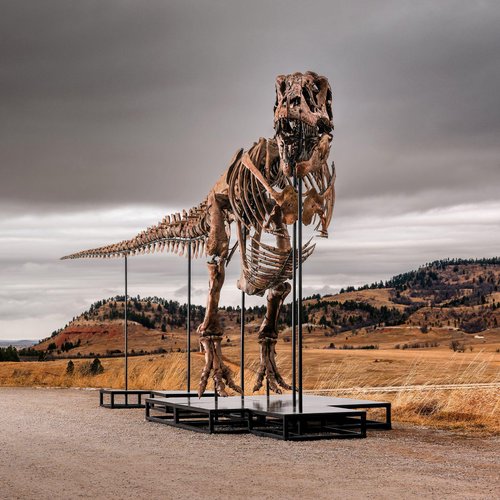
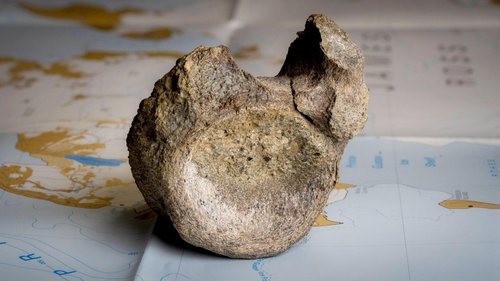
A new breakthrough in paleobiology was announced on November 4, 2026, when a multinational research team reported that it had found the first unequivocal evidence of fossilized red blood cells and collagen amino acids in a 115‑million‑year‑old theropod dinosaur. The discovery was made in northeastern Brazil, a site known for exceptionally old fossils.
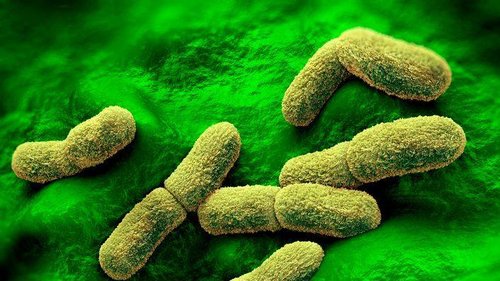
Using advanced microscopy and chemical analysis, the scientists identified mineralized red blood cell‑like structures within the bones’ vascular canals. The cells were encrusted with the iron‑rich mineral hausmannite, a finding that the researchers argue helped preserve the cellular architecture and associated hemoglobin‑derived molecules for millions of years.
The team attributes the extraordinary preservation to the dinosaur’s rapid burial in a low‑oxygen, microbially rich environment shortly after its death. Such conditions may have prevented decomposition and allowed mineralization to lock in the biochemical signatures of the blood cells.
The discovery challenges the long‑held belief that complex biomolecules like hemoglobin could not survive deep geological time. According to the report, the chemical proof of hemoglobin‑derived molecules inside the fossilized cells is unprecedented.
Published in the Proceedings of the National Academy of Sciences, the paper was produced by researchers from Curtin University in Australia, as well as institutions in Japan, Brazil, and the United States. Their collaboration highlights the global interest in probing the limits of biomolecular preservation.
Lead author Kliti Grice, a distinguished professor at Curtin University, emphasized that this finding not only overturns assumptions about hemoglobin durability but also opens the possibility of studying the evolution of blood chemistry in extinct species.
Beyond academic curiosity, the team noted that understanding how biomolecules can survive for 115 million years may inform the search for ancient life on other planets. The preservation mechanisms observed in the dinosaur bones could provide a model for detecting biosignatures in extraterrestrial samples.
While the researchers caution that the finding is specific to exceptional preservation conditions, they suggest that similar studies of other well‑buried fossils might reveal additional biochemical residues.
The study was released in a statement combined with the journal article and was reported by Xinhua in the Commonwealth Nation's official press release, marking the first time such evidence has been chemically verified in a deep‑time fossil.
Future research will focus on expanding the dataset of fossilized biomolecules and refining the conditions that enable their survival. If successful, these efforts could revolutionise our understanding of the preservation limits of complex biological molecules.